Department of Biochemistry

Dr. Babasaheb Ambedkar Marathwada University | Official Website

Department of Biochemistry

About Department

Biochemistry was introduced as one of the specialization in M.Sc. Chemistry course in 1968, immediately after relocation of the department of chemistry in the new building on the campus. In 1970, an independent M. Sc. Biochemistry course was introduced. Biochemistry developed with chemistry department for almost two decades in the same building and was shifted to new extension in 1986-87.the department of chemistry was bifurcated in 1992 and an independent department of Biochemistry was established.

Department insights

History

1968: Started as division in chemistry, 1992: Started as independent Department

Vision and Mission

Vision

To structure the Dr. Babasaheb Ambedkar Marathwada University to be an Epitome of Excellence by creating and imparting time responsive Quality Education to address Changing Scenario, keeping Research and Development at its core, for 'Anyone' at 'Anytime' and 'Anywhere'.

Mission

  • To provide quality education to the students through state-of-the-art education in biochemistry.
  • To provide a learning environment that helps students enhance problem-solving skills, be successful in their professional lives, and prepare them to be lifelong learners by offering a solid theoretical & practical foundation in various disciplines of biochemistry while educating them about their professional and ethical responsibilities.
  • To provide exposure to students to the latest tools and technologies in the area of biochemistry.
  • To provide research-based project activities in the emerging area of biochemical technology.
  • To develop human resources with sound theoretical and practical knowledge in the discipline of biochemistry and the ability to apply this knowledge for the benefit of society at large.

Objectives

  • To excel in the field of teaching and research thereby enhancing ability of the department as a center of excellence in research and academics.
  • To attract funds from various funding agencies so as to develop excellent infrastructure for research and academics.

HOD's Desk

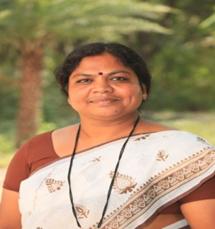
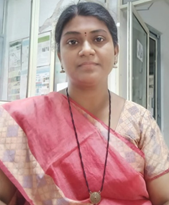
Prof. Vandana Hivrale

Professor & Head

View Biodata

Phone No. (office): 0240-2403301

Department Phone No. : 0240-2403302

Mobile No. : 8805942748

E-mail : head.biochemistry@bamu.ac.in

Prof. Vandana Hivrale
Courses/Programs
Admissions
Faculty / Staff
Research
Alumni
Achievements
Photo Gallery
Biochemistry Department have adopted a credit-based system under the Academic Flexibility Program of the University from theacademic year 2011-12.
  1. The average of 50% performance of entrance examination and 50% performance of B.Sc. I, II and III year examination.
  2. Online registration is compulsory for all fresh students. Fresh students should register their names and detail information on our website:http://www.bamua.digitaluniversity.ac students who are already allotted PRN No. by MKCL must update their registration.
  3. Student must furnish online registration form along with Admission form which is available on bamu.ac.in and submit it is concern department with a copy of application form, Online registration form and necessary documents and fees.
  4. Separate Application form must be filled for each course. Attach attested copies of mark memos of three years and original Transfer Certificate (T.C.) Students from reserved categories must submit attested copies of the caste certificate.
  5. Student should submit original documents immediately after the merit list is displayed on notice board of the department.
  6. Admitted students should submit their scholarship & E.B.C. form within 15 days appropriate time. The scholarship/E.B.C. form will not be accepted after the last date and such student would have to pay full fees.
  7. The details about the schedule of E.B.C./G.O.I. scholarship is mentioned above in this prospectus.
  8. After the admission is completed student should obtain Identity Card within 15 days from publication unit of University.
  9. Students noted for their misconduct for their involvement in immoral or illegal activities would be liable to be punished under sec. 93, 94 & 95 of Maharashtra University Act, 1994 as well as University Ordinance 126, 127, 128 & 129.

Pattern of CET

Msc. (Biochemistry):

Syllabus for CET

Students those who are seeking admission to M.Sc. Biochemistry in the Department have to go through the CET Examination.The final merit list of provisionally selected candidates will be prepared based on 50% Marks from Qualifying Degree Score and 50% Marks from CET Score. The students appeared in Final Year (B.Sc. / B.E. / B. Tech.) or previously passed are eligible for CET Examination. Syllabus for examination: Existing syllabus of B.Sc. I, II and III year Chemistry of this University, Equal weightage will be given to Inorganic, Organic and Physical Chemistry courses along with few questions from Analytical Chemistry.

Exam Pattern of CET

CET question paper is of 100 marks on multiple choice questions of one our duration.

Eligibility

Eligibility

M.Sc. Biochemistry:

  • Any Science Graduate with at least one Optional Subject as Chemistry.
  • Qualifying degree percentage: Minimum 45% for open and 40% for reserved category.

Intake/Reservations

Intake

For M.Sc. BioChemistry

22 Students

For M.Phil BioChemistry

20 Students

Reservations

For Economics:

Category wise Reservation will be as per the Govt. of Maharashtra and Dr. B. A. M. University guidelines.

SSC Board HSC Board Degree % of Seats
Maharashtra Maharashtra Dr. BAMU 80%
Maharashtra Maharashtra Other 10%
Other Other Other 10%

Note: 0% Seats in each Course will be reserved for Women Candidates. 3% Seats in each Course will be reserved for Physically Handicapped.

Over and Above Quota

Category No. of Seats
Service Man/ Ex-Service Man/ Freedom Fighter 02
Sports/ Debit Competition/ Youth Festival/ Any other National Level Competition 01
SRTMU 02
Migrated Service Man from Outside the University Region 02
Foreign Students (20% of intake capacity)
Son/Daughter of Martyr Soldier/ Officers of Kargil War 01

Course/Program Fees

Fees

PG -1,531/- Exam Fees – 415/-

Scholarships

Scholarships

GOI

EBC

Merit Scholarship

Facility for son I daughter! ward of Secondary Teacher (S.S.T.)

Candidates who are son / daughter / ward of Secondary Teachers & seeking the tuition fees facility should submit their application to the concerned departments. The forms should be carefully filled in.lt should be complete in all respect.

Facility for son [daughter] ward of Ex-serviceman I Freedom Fighter

Candidates who are son / daughter / ward of Ex-serviceman I Freedom fighter and seeking the tuition fees facility should submit their application signed with the seal of District Ex-serviceman Welfare Board to concerned department. The forms should be carefully filled in and complete in all respect. Application for BBC. facility must be submitted before the last date in the ooncemed departments. Applications received after the last date will not be entertained.

Schedule of application procedure for candidates of E.B.C., P.S.T., S.S.T. and Ex- Serviceman will be communicated to Departments through circular by P.G. section EBC, PST, SST. facility for non granted courses is subject to decision of GovemmentAuthority.

Scholarship Govt. of India Scholarship (G.O.I.)

The Government of Indian (G.O.|.) gives scholarships for students belonging to the reserved categories. Online application form in properformat and supported by following documents must be submitted to Post-Graduate Section (Admission Unit) before the last date. The applications received after the last date will not be entertained in any condition. AADHAR CARD No. is compulsory for Scholarship holder students. Management Quota Students are not eligible for GOl and Freeship Scholarship (Ex. MBA. MCA. B.Tech. Students of Management Quota are not eligible forthis facility.)

A.New scholarship application form with passport size photograph of the student must be duly signed by the competent authority.

B.Application for scholarship forms must be submitted with attested copies of following documents.

  • Transfer Certificate (Photocopy of original T.C.)
  • Caste Certificate
  • Income Certificate of the father/guardian (original) (issued by the Executive Magistrate)
  • Attested Copy of Death Certificate in case of death of the father.
  • March Salary Certificate of parents in case of service.
  • Photocopy of Mark Memo.
  • Certificate from hostel in case of student staying at hostel.
  • Income Certificate of the husband must be given in case of married girl student.
  • District change certificate must be given in case of student coming from other district.
  • In case of Duplicate T.C. no concession/scholarship will be given. Such students will have to pay full fees.
  • Scholarship will be issued to the students who have fulfilled 75% attendance.
  • Income of the guardian of the student should be less than limit declared by Govt. time to time.
  • Caste of the student (Schedule caste, Schedule Tribe, Nomadic and De-notified Tribe, Other Backward Special Backward Categories) must be included in the list as per the govt. policy for reservation.
  • Students or parents of students belonging to Erstwhile Schedule Caste who have later converted to Buddhist religion (Buddhism) are entitled for obtaining scholarship.
  • Candidates applied for the vocational courses can obtain scholarship whether they passed or failed in the course (Degree/Diploma) from Arts, Commerce and Science faculty. But such students cannot further change their course.
  • Candidate who have once accepted scholarship for vocational course are not allowed to get scholarship for the next vocational course.
  • Candidates working in the full-time job are not eligible for scholarship. But the candidate learning on leave without salary will be eligible for scholarship.
  • Scholarship will not be given to more than two children in the same family. (This condition is not applicable in case of girls) (Third will not get the scholarship.) (Exception: If the second child is twins or more than two consider as one unit.)
  • Candidate should fill a new application form for scholarship in case of his/her first admission. Second-year candidates do process as directed by the Social Welfare office. A new application form should be filled in case of any gap.

Important notes about scholarships /Fellowships

  • Exam appearance is for GOI, Freeship, EBC, PST, SST, Ex-Serviceman, Freedom fighter, and other scholarship facility holders. Otherwise, students must pay total tuition fees.
  • Scholarship facility is not for Certificate, Diploma courses.
  • In some scholarships, Tuition Fees are not transferred to the university/college account. Students must pay their tuition fees. (for ex. Minority Scholarship, Handicapped Scholarship, etc.)

About Other Scholarships:

1.Vidyavetan Facility:

  • Application form should be submitted in P.G. Section Within the period of 15 days after completion of admission. Govt. Hostel Certificate is necessary to fulfill this form.
  • This facility is only for SC. ST. DNT students who had completed their admission for professional Courses ST Students must attached attested caste validity certificate with scholarship form and if Student is living in hostel then he must furnish Hostel Certificate.

2.Important Note about Scholarship:

  • Candidate is not eligible for GOI, EBC. PST, SST, Freedom fighter or any governmental scholarship. if he/she does not attend exam, and will have to pay full fees.
  • Governmental Scholarship is not given for Diploma/ Certificate Courses.

3.Other Scholarships:

Candidates of University campus can get following scholarships by Govt. of Maharashtra and University as stated below:

4.Eklavya Scholarship:

This Scholarship will be given to the candidate who has secured 60% marks in Degree Exams in Art Faculty and 70 % Marks in Science Faculty Degree Examination. After submitting application form in proper format, Eklavya Scholarship will be approved by the Director of Higher Education. Govt. of Maharashtra. Pune. The Annual Income of the parents of an applicant must be prescribed by Government.

5.University Merit Scholarship:

After completing the admission procedure of the University Scholarship will be granted to the applied candidates ranking 1st and 2nd as per merit in each subject. Three candidates of M.Phil. can get this Scholarship as per merit list in each subject.

6.Post Matriculation Scholarship:

Post Matriculation Scholarship for students 'belonging to Minority communities. The students belonging to the Minority communities (Muslim, Parshi. Shikh. Christian, Buddha, Jain learning in the university.

7.Scholarship for Non-Hindi Language Speakers:

Non-Hindi Language speakers, who are doing study in Hindi language, could submit their applications in proper format for Scholarship for Non-Hindi language speakers. Scholarship for Non-Hindi Language speakers will be given to four candidates only.

The scholarship holders of any kind are supposed to abide the following rules:

  • Candidates will receive only one scholarship at a time. Legal action will be taken against candidates accepting two scholarships simultaneously. Students must submit the form to the Hindi Department.
  • It is mandatory to submit the application form for the scholarship within the stipulated time.
  • The scholarship amount will be disbursed only after its approval and acceptance of the amount by the University.

Important Dates

Important Dates (tentative)
Sr. No. Event Tentative Schedule
1. Call for applications First week of May
2. Last Date for Online Registration Third week of May
3. Last Date for Hard copy submission 3 days after last date of online registration
4. Date of Entrance Test, GD & PI 3-4 days after last date of hard copy submission
5. Display of first list of provisionally selected candidates First week of June
6. Display of second list of selected candidates Second week of June
7. Spot Admission if seats are available Fourth week of June
8. Commencement of teaching First week of July
Name Specialization

Dr. (Mrs.) V. K. Hivrale

Professor & Head

Qualification: M.Sc. Ph.D.

Email: vandanahivrale@hotmail.com

Contact: (Desk) 0240-2403301

Resume
Plant-pest interaction research and studies.

Dr. Vikas Shende (Retired)

Assistant Professor

Email: #

Contact: 9197308518

Specialization not provided.

Dr. Umesh Wagh

Assistant Professor (Contractual)

Qualification: M.Sc., Ph.D.

Email: uwagh2050@gmail.com

Contact: 9112780075

Resume
Specialization not provided.

Mrs. Ashwini Sirsat

Assistant Professor (Contractual)

Qualification: M.Sc., SET, GATE

Email: ashwinisirsat.biotech@gmail.com

Contact: 8010353538

Resume
Specialization not provided.
Research Activity
  1. The Department has signed an MOU with Oklahoma State University (USA) to conduct research on stress tolerance in plants.
  2. Faculties are involved in interdisciplinary research projects and have completed several joint research projects.
  3. Collaborative Research Programs with other National & International Laboratories are in the pipeline.
  4. Most M.Sc. students are completing their M.Sc. research projects at various nearby Industry & Research Institutes.
  5. Master research scholars & staff are going to Warsaw University of Life Sciences, Poland, for teaching, learning, and conducting research through the Erasmus Programme.

Selected Research Articles

Identification of metabolites from an active fraction of Cajanus cajan seeds by high resolution mass spectrometry

Author - Satishkumar S. Tekale, Bhimrao V. Jaiwal, Manohar V. Padul

Abstract - Antioxidants are important food additives which prolong food storage due to their protective effects against oxidative degradation of foods by free radicals. However, the synthetic antioxidants show toxic properties. Alternative economical and eco-friendly approach is screening of plant extract for natural antioxidants. Plant phenolics are potent antioxidants. Hence, in present study Cajanus cajan seeds were analyzed for antioxidant activity, Iron chelating activity and total phenolic content. The antioxidant activity using DPPH (2,2-diphenyl-1-picrylhydrazyl) radical scavenging assay showed 71.3% inhibition and 65.8% Iron chelating activity.

Characterization of drought- and heat-responsive microRNAs in switchgrass

Author - Vandana Hivralea, Yun Zhengb,Chandra Obul Reddy Puli ,Guru Jagadeeswarana, Kanchana Gowdua, Vijaya Gopal Kakanic, Abdelali Barakatd, Ramanjulu Sunkar

Abstract - Recent investigations revealed that microRNAs (miRNAs) play crucial roles in plant acclimation to stress conditions. Switchgrass, one of the important biofuel crop species can withstand hot and dry climates but the molecular basis of stress tolerance is relatively unknown. To identify miRNAs that are important for tolerating drought or heat, small RNAs were profiled in leaves of adult plants exposed to drought or heat. Sequence analysis enabled the identification of 29 conserved and 62 novel miRNA families. Notably, the abundances of several conserved and novel miRNAs were dramatically altered following drought or heat. Using at least one fold (log2) change as cut off, we observed that 13 conserved miRNA families were differentially regulated by both stresses, and, five and four families were specifically regulated by drought and heat, respectively.

Molecular Umbrellas: a Novel Class of Candidate Topical Microbicides To Prevent Human Immunodeficiency Virus and Herpes Simplex Virus Infections

Rebecca Pellett Madan,Pedro M. M. Mesquita,,Natalia Cheshenko, Bingwen Jing, Vikas Shende,Esmeralda Guzman, Taylor Heald, Marla J. Keller, Steven L. Regen, Robin J. Shattock, and Betsy C. Herold

Abstract - Molecular umbrella compounds may function as novel topical microbicides to prevent human immunodeficiency virus (HIV) and herpes simplex virus (HSV) infections. In a preliminary structure-activity investigation, one umbrella compound, designated Spm8CHAS, was identified which inhibited both HIV and HSV infections with no cellular toxicity. The objectives of the current studies were to define its spectrum of antiviral activity, characterize its mechanism of action, and explore the possibility of combining Spm8CHAS with HIV-specific reverse transcriptase inhibitors..

Successful treatment of peritonitis by C. bertholletiae in a chronic kidney failure patient on continuous ambulatory peritoneal dialysis after kidney rejection.

Abstract : Peritonitis is a common problem in patients undergoing peritoneal dialysis. However, peritonitis due toCunninghamella (C.) bertholletiae, a fungus of the class Zygomycetes, is rare. We present a case of fungal peritonitis in a patient on continuous ambulatory peritoneal dialysis due to kidney rejection. Direct examination of the patient’s peritoneal fluid showed fungal hyphae, and the culture was identified as C. bertholletiae. A cumulative dose of 1,600 mg fluconazole was given to the patient intraperitoneally over a one-week period. When his condition had stabilised, oral antifungal treatment was administered for two weeks. After removal of the Tenckhoff catheter, the patient was discharged with arteriovenous fistulation for haemodialysis. Zygomycosis due to C. bertholletiae is often fatal and non-responsive to systemic antifungal therapy. This case is the first from India with a successful outcome and highlights the importance of early detection and intervention for a successful outcome of peritonitis caused by C. bertholletiae.

Protease inhibitor (PI) mediated defense in leaves and flowers of pigeonpea (protease inhibitor mediated defense in pigeonpea).

Abstract : More than 200 insect pests are found growing on pigeonpea. Insects lay eggs, attack and feed on leaves, flowers and developing pods. Plants have developed elaborate defenses against these insect pests. The present work evaluates protease inhibitor (PI) based defense of pigeonpea in leaves and flowers. PIs in the extracts of these tender tissues were detected by using the gel X-ray film contact print method. Up to three PIs (PI-3, PI-4 and PI-5) were detected in these tissues as against nine (PI-1 to PI-9) in mature seeds. PI-3 is the major component of these tissues. Mechanical wounding, insect chewing, fungal pathogenesis, and application of salicylic acid induced PIs in pigeonpea in these tissues. Induction was found to be local as well as systemic, but the local response was stronger than the systemic response. During both local and systemic induction, PI-3 appeared first. In spite of the presence and induction of PIs in these tender tissues and seeds, farmers continue to suffer yield losses. This is due to the weak expression of PIs. However, the ability of the plant to respond to external stimuli by producing defense proteins does not seem to be compromised. This study, therefore, indicates that PIs are components of both constitutive and inducible defense and provides a ground for designing stronger inducible defense (PIs or other insect toxin-based) in pigeonpea.

Small RNA profiles in soybean primary root tips under water deficit (DOI: 10.1186/s12918-016-0374-0)

Author - Dr. V. K. Hivrale

Background - Soybean (Glycine max) production is significantly hampered by frequent droughts in many regions of the world, including the United States. Identifying microRNA (miRNA)-controlled posttranscriptional gene regulation under drought will enhance our understanding of the molecular basis of drought tolerance in this important cash crop. Indeed, miRNA profiles in soybean exposed to drought were studied but not from the primary root tips, which is not only a main zone of water uptake but also critical for water stress sensing and signaling.

Methods - Here we report miRNA profiles specifically from well-watered and water-stressed primary root tips (0 to 8 mm from the root apex) of soybean. Small RNA sequencing confirmed the expression of a vastly diverse miRNA (303 individual miRNAs) population, and, importantly, several conserved miRNAs were abundantly expressed in primary root tips.

Results - Notably, 12 highly conserved miRNA families were differentially regulated in response to water-deficit; six were upregulated while six others were downregulated at least by one fold (log2) change. Differentially regulated soybean miRNAs are targeting genes include auxin response factors, Cu/Zn Superoxide dismutases, laccases and plantacyanin, and several others.

  1. Ashwini Sirsath, Henna Nadaf, Katarzyna Swader, and Vandana Hivrale (2024) X-ray Film Gel Contact Print method for analyzing differential expression of plant protease inhibitors under abiotic stress, Methods in Molecular Biology 2832:233-240.
  2. Heena Nadaf, Ashwini K. Sirsat, and Vandana K. Hivrale (2022) Biochemical characterization of α‐amylases from differently feeding pests: sap‐sucking *Aphis craccivora* and tissue chewing *Pectinophora gossypiella*. International Journal of Tropical Insect Science https://doi.org/10.1007/s42690-022-00899-z
  3. Heena Nadaf, Ashwini K. Sirsat, and Vandana K. Hivrale (2023) Differential hikes in phenolic and flavonoid compounds in germinating soybean (*Glycine max*) seeds under abiotic stresses. Journal of Stress Physiology & Biochemistry, Vol. 19, No. 1, 2023, pp. 150-162 ISSN 1997-0838
  4. Ashwini Jamdhade, Ramanjulu Sunkar, and Vandana Hivrale (2017) Zymographic method for distinguishing different classes of superoxide dismutases in plants, Methods in Molecular Biology 1631:221-227. DOI:10.1007/978-1-4939-7136-7_13
  5. Yun Zheng, Vandana Hivrale, Xiaotuo Zhang, Babu Valliyodan, Christine Lelandais-Brière, Andrew D. Farmer, Gregory D. May, Martin Crespi, Henry T. Nguyen, and Ramanjulu Sunkar (2016) Small RNA profiles in soybean primary root tips under water deficit BMC Systemic Biology Vol 10,: 126 (2016) DOI 10.1186/s12918-016-0374-0

Publication Output

Research Papers/ Books/ Publications :

Research Profile of the Department

  • No. of Publications: 52
  • SCI / SCOPUS / Web of Science Indexed Journals: 43
  • Research Papers Published in UGC CARE Journals: 9
  • Numbers of Books / Book Chapters: 2
  • Total Citation (Google Scholar): Citation: 628; h-index: 16; i-10 index: 20
  • (SCOPUS): 43 Citation: 539; h-index: 17
  • Grants Received (Research Projects from Govt / Non Govt Agencies): Funding Agencies: DST-SERB, Erasmus+ INNOTAL, University; Total Outlay: Rs. 44,37,500 + 75000 Euro + 80,000 Euro + 80,000 + Rs. 2,00,000
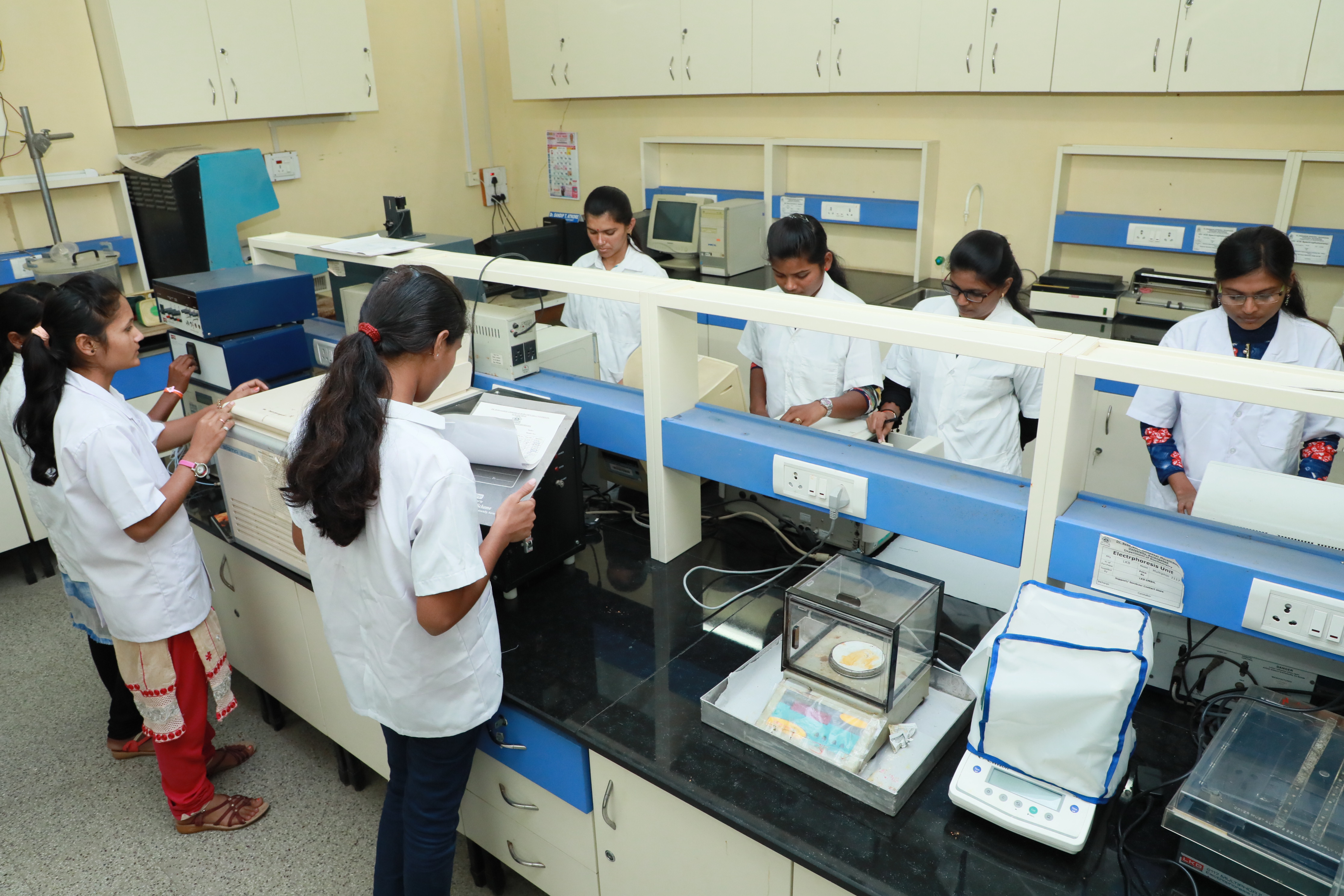
  • State-of-the-art infrastructure created / Procured: Animal House, Poly House
  • Research Students Guided: 21
  • State-of-the-art infrastructure created / Procured : Animal House, Poly House
  • Research Students Guided : 21

Fellowships / Recognition : DST Inspire, RGNF, MANF, BARTI, ERASMUS, INNOTAL-University of Bulgaria, Merging voices fellowship-Portugal Uni. Of RUHANA-Belgium, Raman PDF USA, Erasmus+,- Poland, EUPHRATES- POLAND

Thrust Area

Research Groups
  • Plant Pest Interaction
  • Identification of Plant defence proteins
  • Identification of evasive mechanisms in Insect Pest
  • Therapeutic Use of Protease Inhibitors
  • Renin-Angiotensin System Inhibitors
  • Blood Clotting Cascade
  • Virus discovery, persistence, MDR
  • Proteomics, bioinformatics

Research Projects

Major / Minor Research Projects
Project Title Funding Agency Period Principal Investigator(s) Grant Amount
Peptide and Non –peptide serpins: Direct and reversible inhibitors of thrombin and factor Xa ICMR 2006-2009 Rtd. Dr. M. S. Kachole, Dr. V. K. Hivrale 15,00,000/-
Molecular cloning and identification of novel plant amylase inhibitor for antibiosis against storage pests *Callosobruchus* and *Tribolium* UGC 2008-2010 Dr. V. K. Hivrale, Rtd. Dr. M. S. Kachole 11,32,000/-
Identification and characterization of peptide and nonpeptide of RAS cascade from medicinal plants DST 2008-2011 Dr. V. K. Hivrale 20,00,000/-
Novel Inhibitors of Bacterial Enzyme MurB ICMR 2010-2013 Dr. D. B. Shinde, Dr. V. R. Shende 28,00,000/-
Principle investigator/Co-investigator: Dr. Vandana Hivrale
Ongoing :
National : Department of Science and Technology, New Delhi, India funded major research project entitled, "Identification and characterization of Bt toxin receptors in the sucking pests for designing effective pest control strategy", 2019-2021. Cost: Rs.44,37,500.
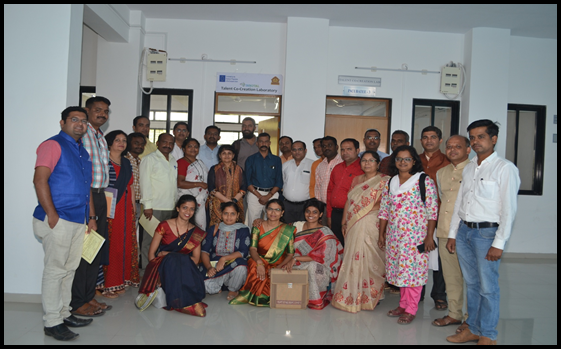
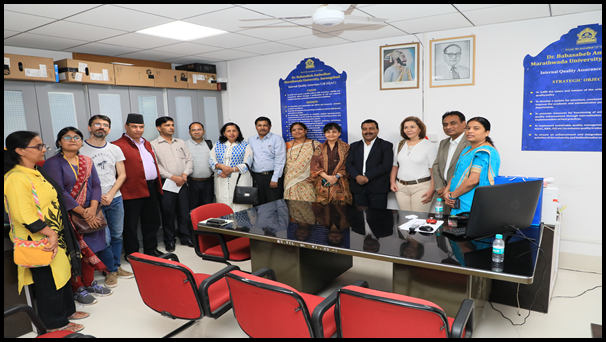
International projects: Setup 3 laboratories at BAMU ( IQAC cell, Talent co-creation lab and International centre)
(Capacity Building program- sanctioned by European union---- Handling as a partner country project Coordinator)
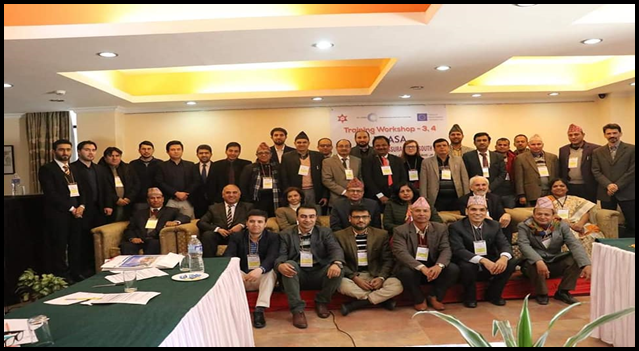
1) EQASA ( Enhancing Quality Assurance in South Asian Universities) - University of Pleoponnese, Greece (2017-2020) ( with Partner Countries, Greece, Spain Italy, Nepal, Afganistan And India)
2) INNOTAL (Integrating Talent Development into Innovation Ecosystems in Higher Education) University of Bulgaria, Bulgaria, (2018-2021) ( With partner universities 4 European Universities – from Bulgaria, Greece, Finland and the UK, 4 Universities from India, 2 Universities from Nepal, 2 Universities from Sri Lanka and 2 Universities from the Philippines.
3) MERGE (Improving internationalization practices in south Asian higher education)( Italy, Spain, Rome Afganistan, Nepal, India) ..Ongoing

Research Scholar

Project/Research Fellow

Dr. Vandana Hivrale( Supervisor)

  1. Mr. P. T Sanatan
  2. Ms Neeta Kalve
  3. Mr. Amol Kamble (Rajiv Gandhi fellowship)
  4. Ashwini Jamdhade (BARTI fellowship)
  5. Rubina shaikh
  6. Ashwini Sirsath (BARTI fellowship)

Dr. M. V Padul ( Supervisor)

  1. Mr. Sandip Wagh (DST inspire fellowship)
  2. Satish Tekale (University golden jubilee fellowship)

Dr. V. R. Shende ( Supervisor)

  1. Dr. V. R. Shende ( Supervisor)
Alumni
Name Position Name Position
Dr. J. M. Patel Sr. Professor Dr. S. J. Makhija Professor
Dr. A. M. Mungikar Professor Dr. Dharwadkar Professor
Dr. Jahir Khan Professor Dr. Rafat Hashmi Professor
Dr. Z. H. Khan Professor Mr. Subhash Lomte Social worker
Dr. Shashi Amur Professor Mr. Jadhav Rajesh Sqdrn Leader
Dr. H. V. Adikane Scientist F Dr. Saya Patil Biochemist
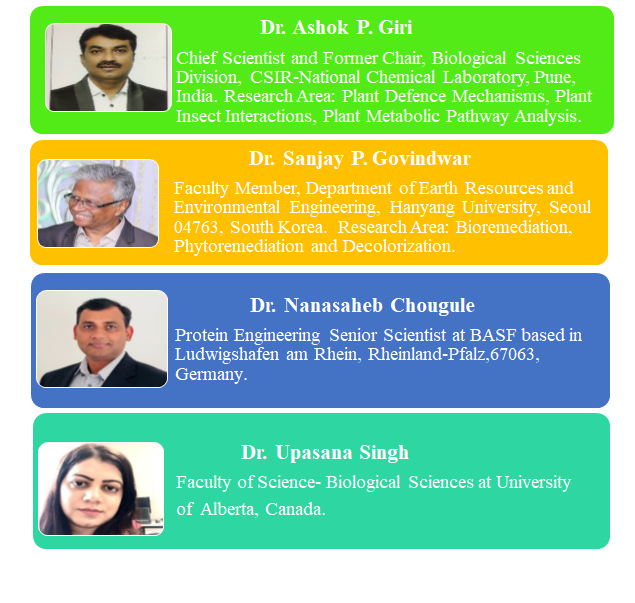
Dr. Ashok P. Giri Chief Scientist Ms. Adiambo Social worker
Dr. S. N. Prasad Scientist F Dr. Bhosale N. N. Scientist
Dr. K. R. Gawai Professor Dr. Gayal Scientist
Dr. B. L. Jadhav Professor Dr. J. G. Shewale Chief Scientist
Dr. S. P. Govindwar Professor Dr. A. N. Suryakar Registrar
Dr. Nanasaheb Chougule Senior Scientist Dr. Upasana Singh Professor

Faculty Member


Vandana Hivrale


  • V. K. Hivrale, awarded Post doctoral Raman Fellowship to visit Oklahoma State University, USA 2013-14.
  • Awarded Erasmus Plus Fellowship to visit Warsaw University of Life Sciences, Poland 2016.
  • Awarded Erasmus Euphrates Fellowship to visit at Warsaw University of Life Sciences, Poland 2017.
  • Received ERASMUS MUNDUS Plus fellowship to teach 2 weeks at Warsaw University, Warsaw , Poland (May 2016).
  • Received ERASMUS Euphrates fellowship to Visit at Warsaw University , Warsaw, Poland (May 2017).
  • Received Best Teacher award from Rotary club of Aurangabad (2018).
  • Received Merging voices fellowship to visit at University of Algarve ,Faro, Portugal (May 2019).
  • Received KA107 Erasmus + fellowship to visit at University of Santiago, Spain (November 2019).
  • Invited to attend meeting organized by European union on CBHE at Brussels, Belgium 25 Jan 2020 to 31st Jan 2020.

Ph.D. Students :


  • Keshav D. Shinde, Erasmus Mundus Ph.D. Programme at Spain.
  • Shaikh F. K. awarded Maulana Azad National Fellowship.
  • S. K. Wagh and S. N. Bassayye awarded DST Inspire Fellowship.
  • P. B. Goud awarded D. S. Kothari Post doctoral Fellowship.
  • Somase Rahul D., DST Inspire Fellowship.
  • Ashwini Sirsat, BARTI Fellowship.
  • Satishkumar S. Tekale, University Scholar Fellow.
  • Ashwini Jamdhade, BARTI Fellowship.

Master Student :


  • Amol Kamble
  • Krishna Kadam

Master Students Qualified NET, SET


  • Rajanikant Raut
  • Sachin Bhutekar
  • Santosh Lavhale
  • Kaveri Kanade: NET (2018)
  • Heena Nadaf: SET (2019)
  • Ashwini Sirsat: GATE, SET (2023)
  • Hrushikesh Thalepatil: GATE, NET (2024)

Major Collaborators


  • Department of Biochemistry & Molecular Biology, OSU, USA.
  • IISER, Kolkatta.
  • JNU New Delhi.
  • Tezpur University, Assam.
  • ICRISAT, Hyderabad.
  • NCL, Pune.
  • Department of Chem. Tech. Dr. B. A. M. U. Aurangabad.
  • Department of Biochem. Shivaji Univ. Kolhapur.
  • Department of Biochem. Ahmednagar College.

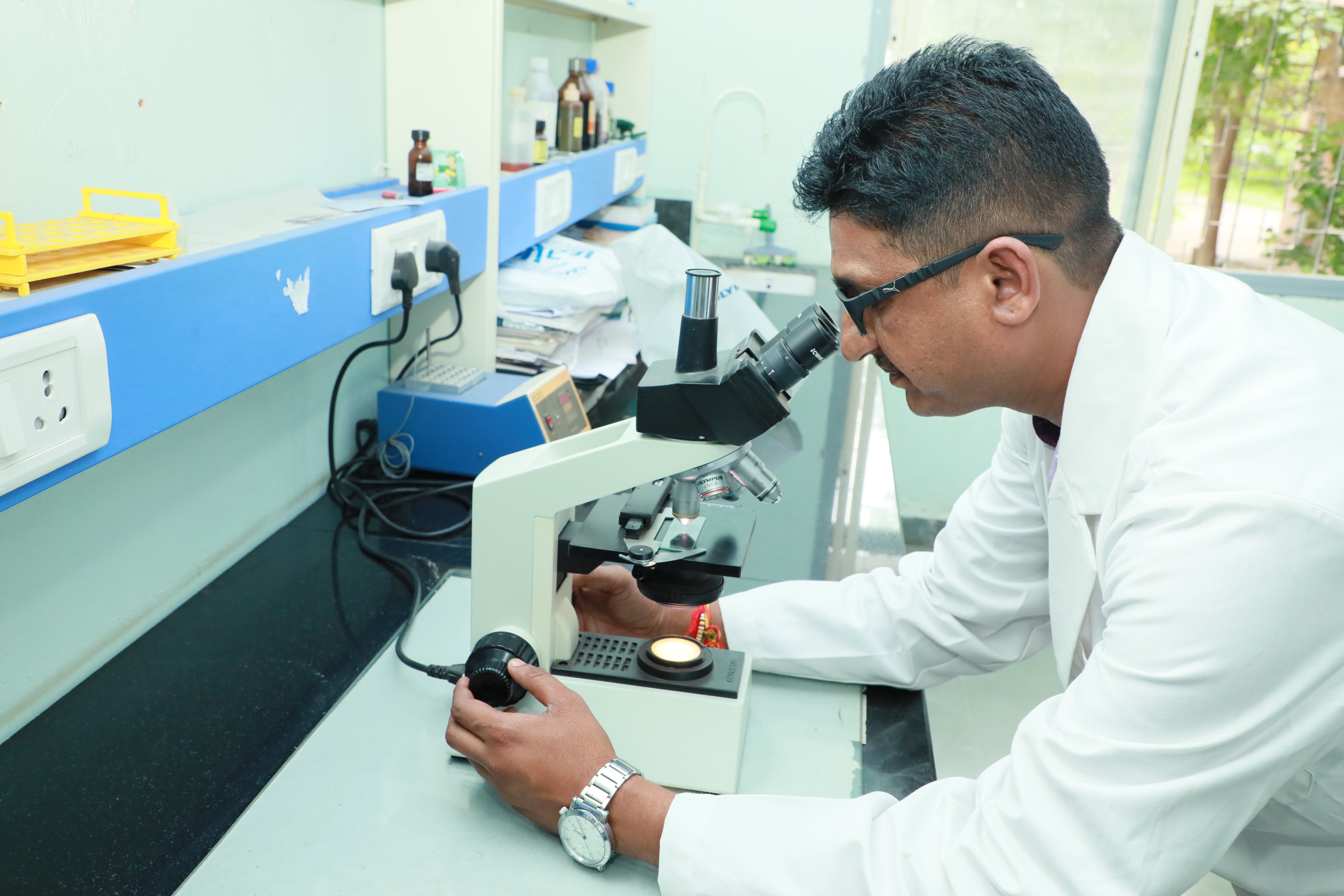
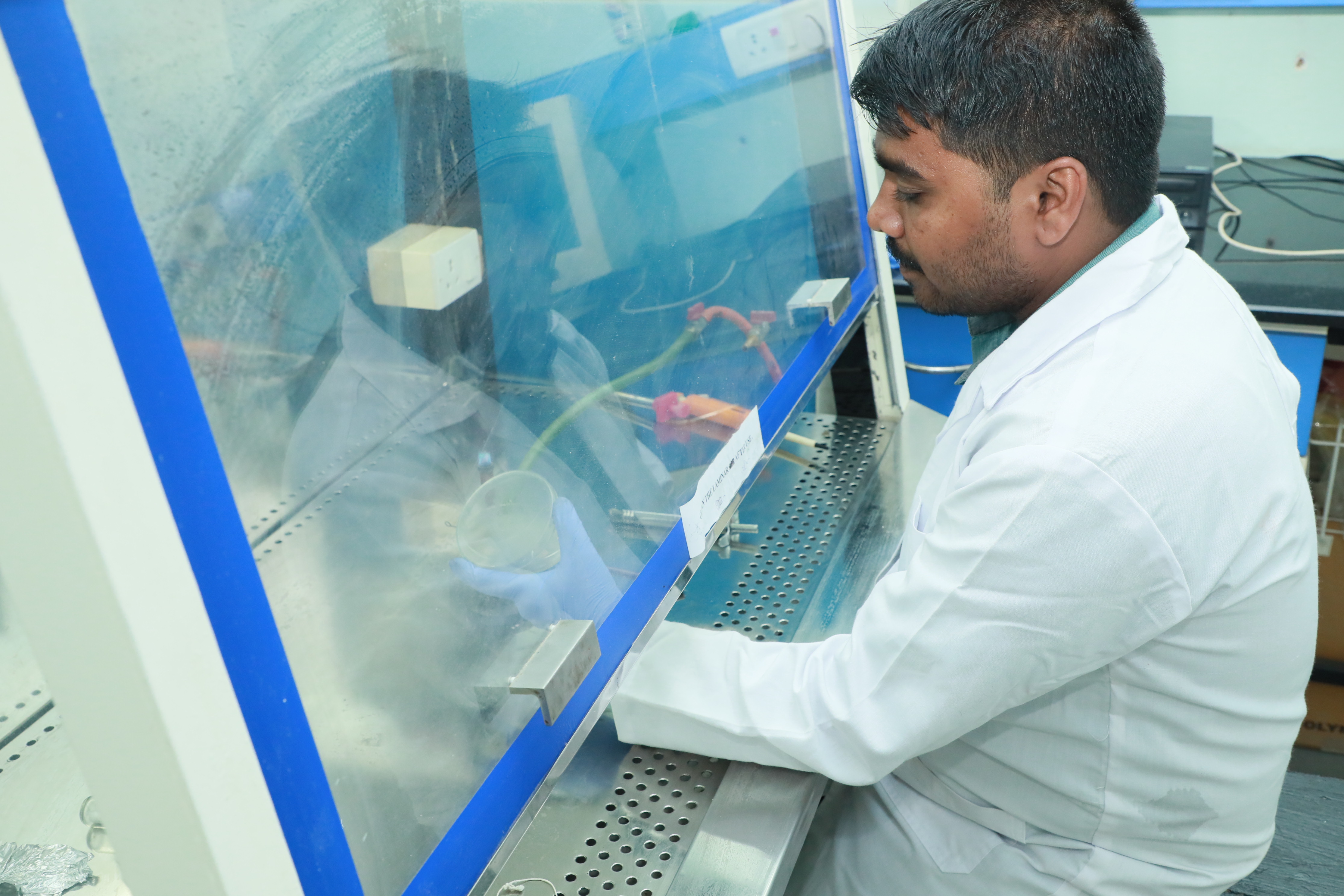
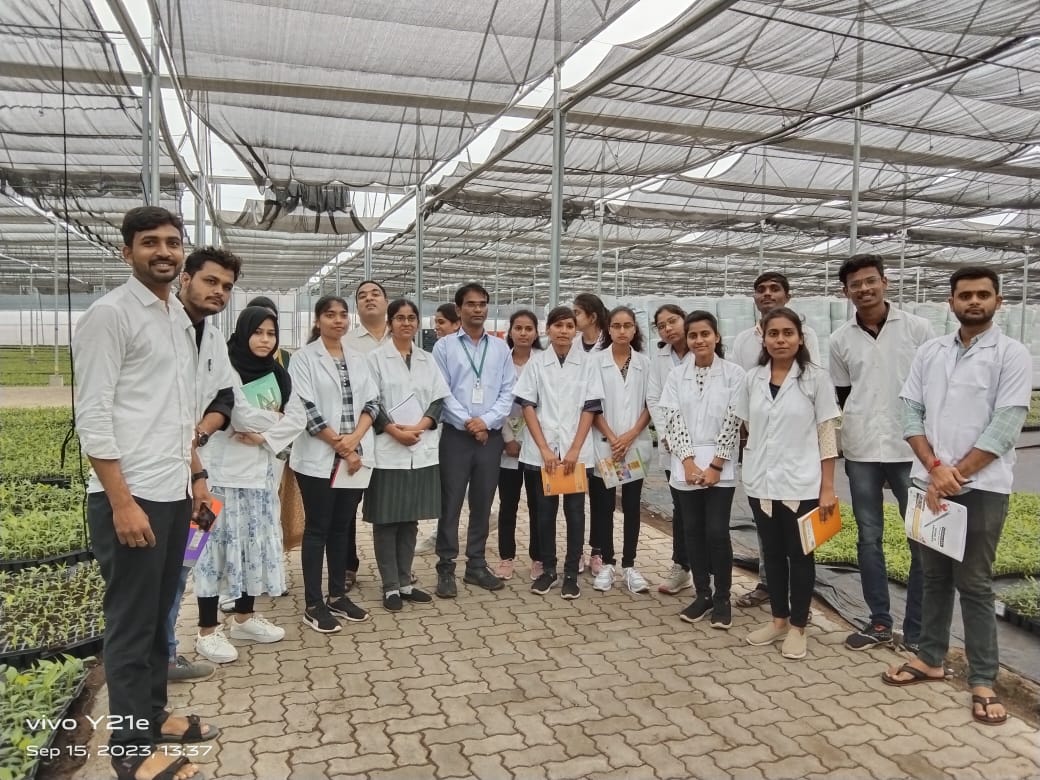
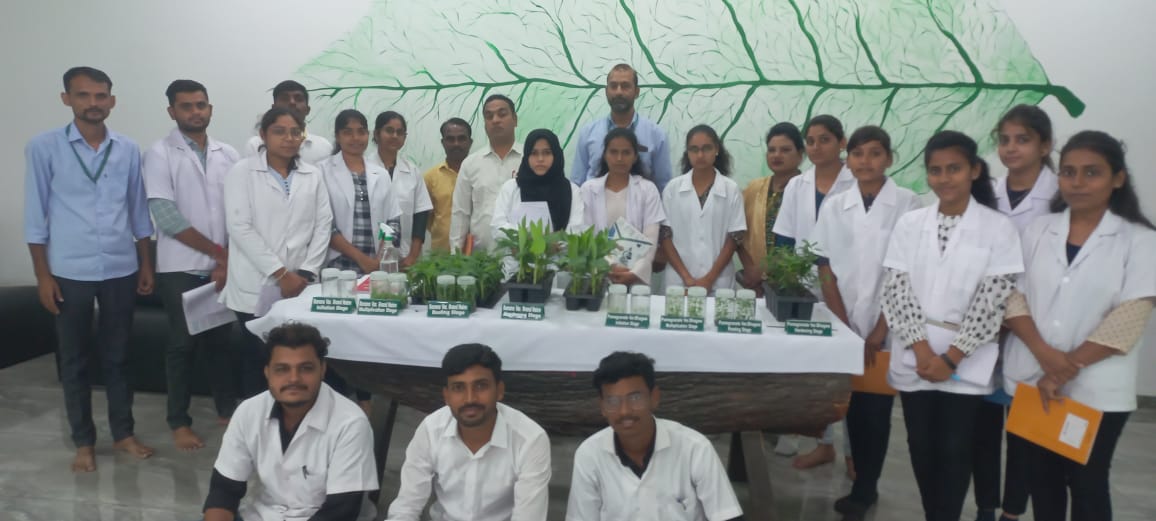
Photo Gallery


Image 17
Image 18
Image 19
Image 20

Image 21
Image 22
Image 23
Image 24

Image 39
Image 40
Image 41
Image 42