Department of Forensic Science

Dr. Babasaheb Ambedkar Marathwada University | Official Website

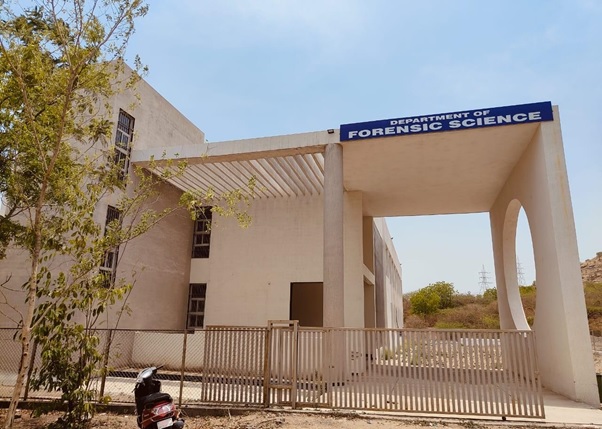
Department of Forensic Science

About Department

One of the newest departments started by the university under Science and Technology Faculty. It is one of the departments in university to offer an interdisciplinary as well as a multidisciplinary approach for the innovative and aspiring minds. The department of Forensic Science came into existence in 2021 is still in its developing stage. Through the vastness of academics and proper guidance to the young minds, the department will provide a diversified attitude to the learners. In addition to the theoretical perspectives, the department proffers an empirical mindset to the students.

The Department of Forensic Science at Dr. Babasaheb Ambedkar Marathwada University, established in 2021, provides comprehensive academic and research-oriented education in forensic science. We are dedicated to developing future forensic experts who will contribute to the justice system through scientific investigation and analysis.

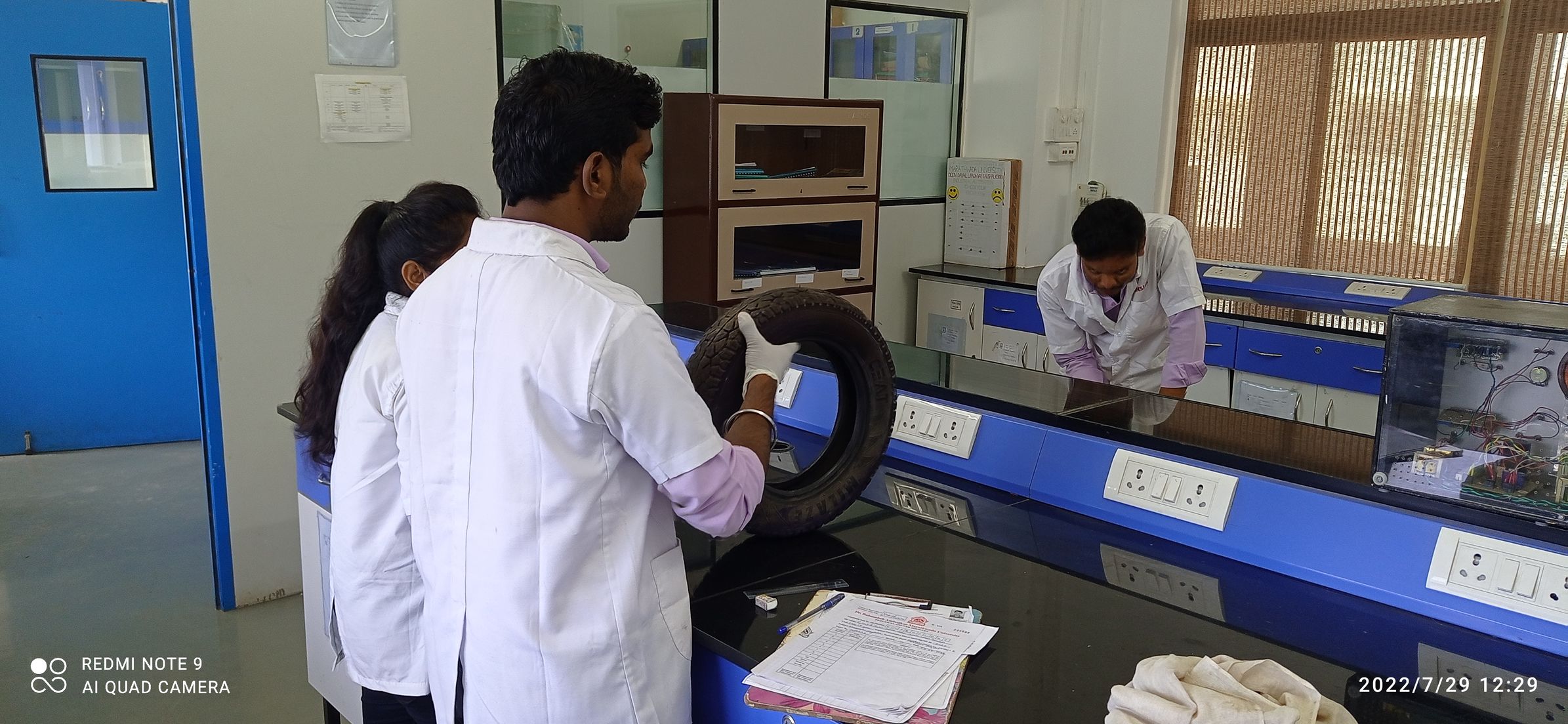
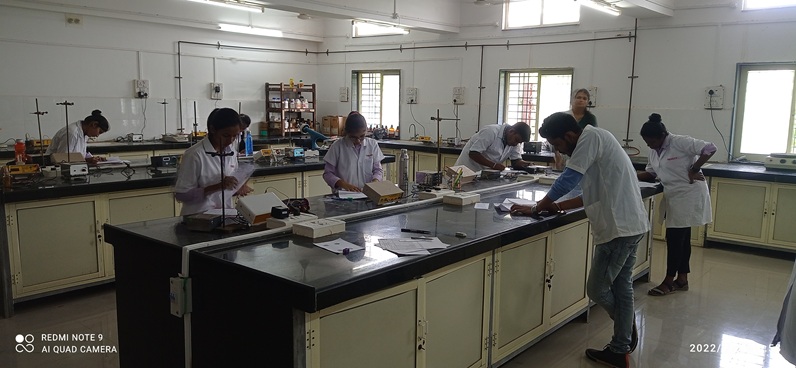
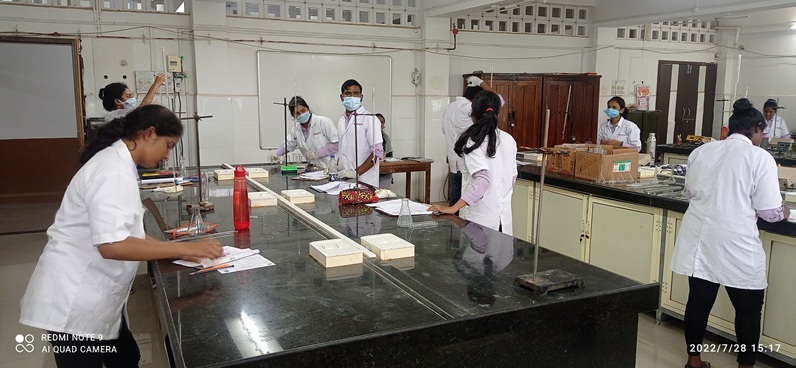
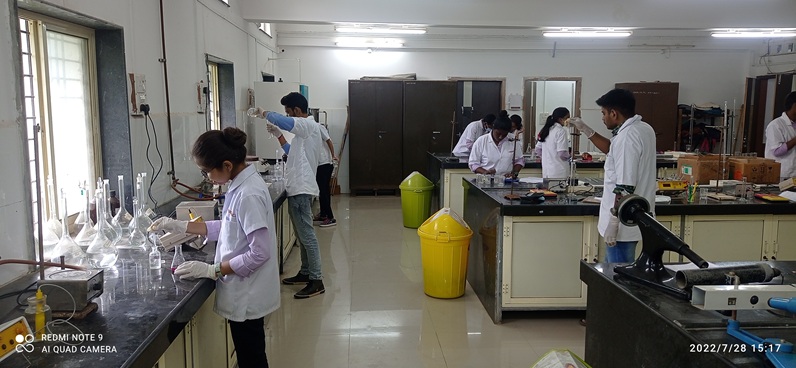
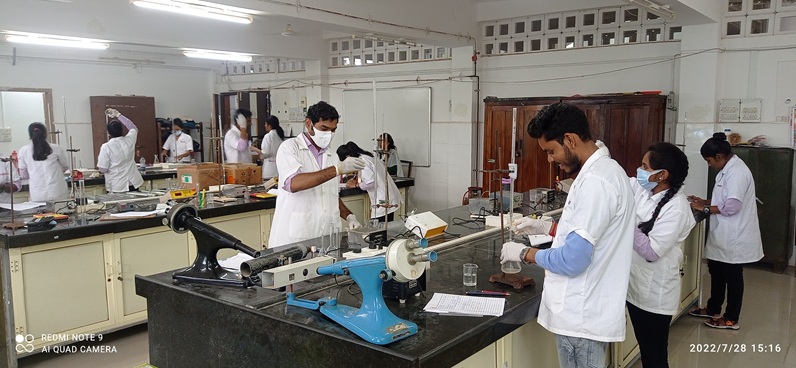
Our postgraduate programs blend theoretical knowledge with hands-on practical experience in state-of-the-art laboratories. Our experienced faculty utilizes a multidisciplinary approach to provide students with expertise in various forensic disciplines, including crime scene investigation, forensic biology, forensic chemistry, forensic physics, digital and cyber forensics, and forensic toxicology.

The department actively engages in research and collaborates with law enforcement agencies and forensic laboratories to address real-world challenges in forensic science. By staying at the forefront of forensic advancements, we strive to contribute to the integrity and accuracy of the justice system.

Our mission is to equip students with the necessary skills to analyze evidence scientifically, ensuring justice is upheld through precise and unbiased investigation methods.

Department insights

History

"Science for the Pursuit of Justice"

Welcome to the Department of Forensic Science, where science meets justice. Our department is dedicated to advancing the field of forensic science through rigorous research, comprehensive education, and unparalleled expertise in the analysis of physical evidence. We play a vital role in the criminal justice system by applying scientific methods to uncover the truth and ensure that justice is served. The Department of Forensic Science at Dr. Babasaheb Ambedkar University in Chhatrapati Sambhajinagar (formerly Aurangabad) was established in 2021. Recognizing the growing need for skilled forensic professionals in the region and the country, the university initiated this department to offer specialized education and training in the field of forensic science. Looking ahead, the Department of Forensic Science at Dr. Babasaheb Ambedkar University is committed to expanding its academic offerings, enhancing its research capabilities, and forging stronger partnerships with industry and government agencies. The department aspires to become a leading centre for forensic science education and research in India and beyond.

Vision and Mission

Vision

To structure the Department of Electronics to be an Epitome of Excellence in Research & Development the area of Sensor Technology, Semiconductor Devices, Mechatronics, and Industrial Communication by creating and imparting time responsive Quality Education to address Changing Scenario, keeping Research and Development at its core, for ‘Anyone’ at ‘Anytime’ and ‘Anywhere’.

Mission

Our mission is to educate, inspire, and empower students to become highly skilled and ethical forensic scientists who are committed to advancing justice through science. We aim to achieve this by:

  1. Comprehensive Education: Providing a rigorous and multidisciplinary curriculum covering the foundational and advanced principles of forensic science, ensuring that students thoroughly understand various forensic disciplines.
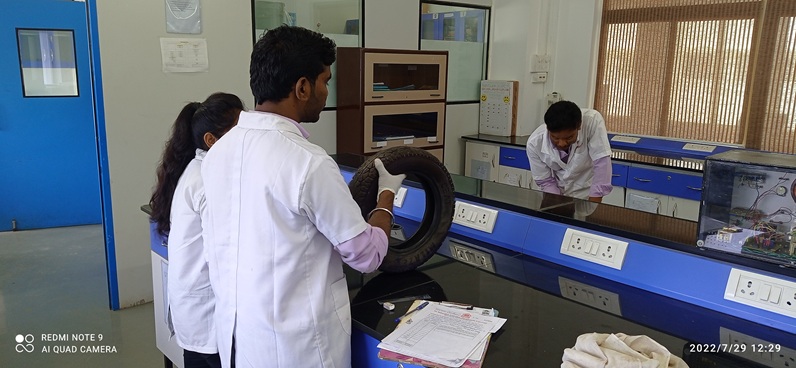
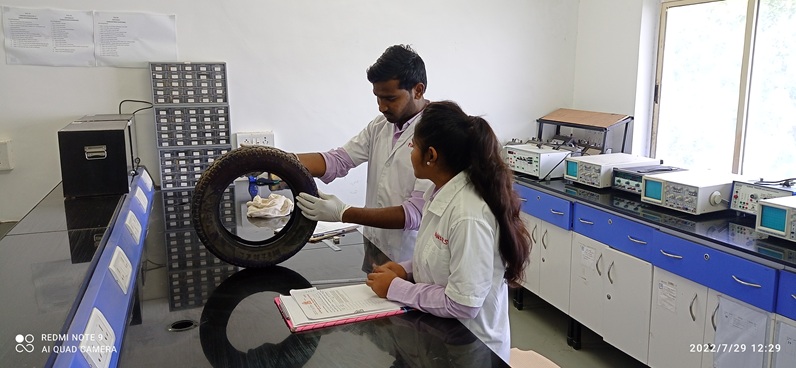
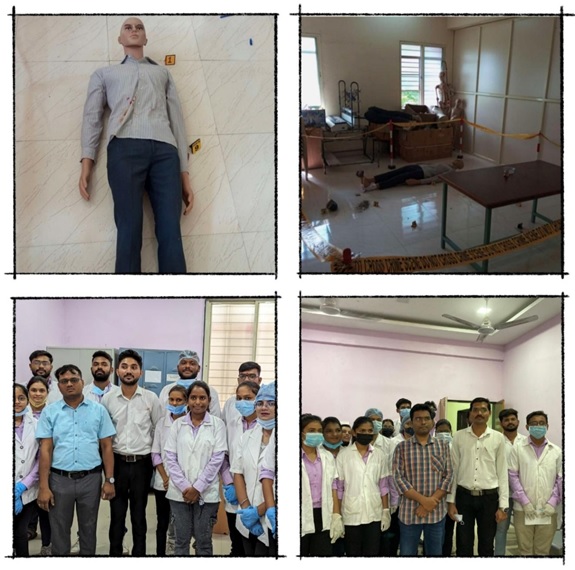
  2. Hands-On Experience: Offering extensive hands-on training and practical experience in state-of-the-art laboratories and real-world settings, enabling students to apply theoretical knowledge to real-life forensic investigations.
  3. Research Opportunities: Encouraging and supporting student-led research initiatives that contribute to the advancement of forensic science, fostering a culture of innovation and critical thinking.
  4. Professional Development: Preparing students for successful careers through mentorship, internships, and partnerships with law enforcement agencies, legal institutions, and forensic organizations.
  5. Ethical Standards: Instilling a strong sense of ethical responsibility and integrity, emphasizing the importance of unbiased scientific analysis and the ethical implications of forensic work.
  6. Community Engagement: Promoting engagement with the community and raising awareness about the role and impact of forensic science in society through outreach programs and public education initiatives.
  7. Global Perspective: Equipping students with a global perspective on forensic science by fostering international collaborations and exposing them to diverse forensic practices and legal systems around the world.

By fulfilling this mission, we aim to develop competent, ethical, and innovative forensic scientists dedicated to contributing to the justice system and positively impacting society.

Objectives

Department Objectives

The Department of Forensic Science at Dr. Babasaheb Ambedkar Marathwada University is focused on achieving the following key objectives:

  1. Academic Excellence: To offer high-quality education and training that enables students to gain proficiency in the core areas of forensic science, ensuring they are well-prepared for professional roles in forensic laboratories, legal systems, and academic institutions.
  2. Applied Forensic Skills: To develop students' technical skills in forensic techniques such as DNA analysis, toxicology, ballistics, fingerprint analysis, and crime scene investigation, with hands-on experience in state-of-the-art laboratories.
  3. Research and Development: To foster research initiatives that address current challenges in forensic science, encouraging innovation and collaboration in the fields of forensic biology, chemistry, digital forensics, and more.
  4. Professional Collaboration: To build strong partnerships with law enforcement agencies, forensic labs, and judicial bodies for mutual knowledge exchange, internships, and real-world casework experiences for students.
  5. Ethical Forensic Practice: To promote the highest ethical standards in forensic investigation and reporting, ensuring the integrity of forensic science contributions to the justice system.
  6. Student Engagement and Growth: To provide opportunities for students to participate in workshops, seminars, and national and international conferences, fostering personal and professional growth.
  7. Public Awareness and Training: To enhance public and professional awareness of forensic science through outreach programs, providing training and resources to law enforcement and other stakeholders in the criminal justice system.

HOD's Desk

Dr. S. G. Gupta

Head, Dept. of Forensic Science

Phone No. (office): (0240)-2403261

Mobile No. : +91 9657727234

E-mail : head.forensicsci@bamu.ac.in, shantigupta60@gmail.com

Dr. S.G. Gupta

Dr. Bhaskar R. Sathe

Co-Ordinator, Dept. of Forensic Science
Head, Dept. of Nanotechnology

Phone No. (office): (0240)-2403261

Mobile No. : +91 8999123255

E-mail : bsathe.chemistry@bamu.ac.in

Dr. Bhaskar R. Sathe

Courses / Programs

Facilities Available

Contact

Department of Forensic Science

Dr. Babasaheb Ambedkar Marathwada University,
Aurangabad, Pincode - 431 004

Email : head.forensicsci@bamu.ac.in

Courses/Programs
Admissions
Faculty / Staff
Research
Facilities
Placement
Alumni
Awards
Photo Gallery
M.Sc. in Forensic Science

The Department of Forensic Science at Dr. Babasaheb Ambedkar Marathwada University offers a wide range of academic programs designed to provide comprehensive knowledge and hands-on training in various forensic disciplines. Our programs are tailored to meet the needs of students at both undergraduate and postgraduate levels, as well as those pursuing advanced research in forensic science.

Master of Science (M.Sc.) in Forensic Science
  • Duration: 2 Years

  • Overview: The M.Sc. program provides advanced training in forensic science, focusing on specialized topics such as DNA profiling, forensic anthropology, forensic psychology, forensic chemistry and toxicology and digital forensics. Students engage in both classroom learning and independent research projects, preparing them for professional careers in forensic laboratories and academic institutions.

  • Key Courses:
    • Forensic Speaker Identification
    • Advanced Document Examination
    • Mobile Forensics and Cybercrime
    • Multimedia forensics and biometrics
    • Insurance Forensics
    • Research Methodology and Dissertation
Syllabus
Admission Details
Sr.No. Course Name Specialization Intake Starting Date
1 M.Sc. Forensic Science NA 20 2021
2 M.Sc. Forensic Science Digital and Cyber-Forensics 30 2022
3 M.Sc. Forensic Science Forensic Chemistry and Toxicology 40 2023
4 M.Sc. Forensic Science Fingerprints and Questioned Document / Forensic Chemistry and Toxicology 40 2024
Faculty/Staff
Name Specialization
Dr. S.G. Gupta

Dr. S. G. Gupta

Head, Dept. of Forensic Science

Qualification: M.Sc. NET. SET

Email: head.forensicsci@bamu.ac.in, shantigupta60@gmail.com

Contact: 8602045030

Forensic Science
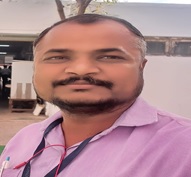
Dr. Bhaskar Sathe

Dr. Bhaskar Sathe

Co-Ordinator, Dept. of Forensic Science, Head, Dept. of Nanotechnology, Professor Department of Chemistry

Qualification: M.Sc. Ph.D.

Email: bsathe.chemistry@bamu.ac.in

Contact: (0240)-2403261, +91 8999123255

Resume

Nanoscience and nanotechnology, Inorganic materials, Nanomaterials (metal, metal oxide, C60, carbon nanotubes, graphene and their heterostructures), Fuel cell based electrocatalytic reactions, Sensors, Electrochemical water splitting and Bio-mass conversion reactions, Organic and Environmental electrochemistry and other related interfacial studies.
Mr. Tushar Sherkar

Mr. Tushar Sherkar

Assistant Professor(Contractual)

Qualification: M.Sc. NET. SET

Email: sherkar.tushar@gmail.com

Contact: 8602045030

Resume

Forensic science
Mr. Nikhil Rathod

Mr. Nikhil Rathod

Assistant Professor(Contractual)

Qualification: M.Sc. NET. SET. FACT

Email: rathodnikhil421@gmail.com

Contact: +8605651541

Resume

(Forensic Biology, Serology and DNA fingerprinting)
Mr. Chaitanya V. Chavan

Mr. Chaitanya V. Chavan

Assistant Professor(Contractual)

Qualification: M.Sc. LLB. NET.

Email: chavanc99@gmail.com

Contact: +91-9899984467

Resume

Forensic Science (Forensic Chemistry and Toxicology)
Non-Teaching Staff
Name Designation
Sanjay Jadhav

Sanjay Jadhav

Contractual

Contractual
Kishor Laggad

Kishor Laggad

Contractual

Contractual
Kishwar Kale

Kishwar Kale

Contractual

Contractual
Harish Dhanedhar

Harish Dhanedhar

Contractual

Contractual
Research Activities

Research is a core component of the Master of Science (M.Sc.) program in Forensic Science at Dr. Babasaheb Ambedkar Marathwada University. Our department encourages postgraduate students to engage in innovative research projects that address contemporary issues in forensic science, equipping them with the necessary skills to become leaders in the field.

Key Areas of Research

Postgraduate students are encouraged to explore various specialized areas within forensic science, including but not limited to:

  • Forensic Biology: DNA profiling, body fluid identification, and forensic anthropology.
  • Forensic Chemistry: Analysis of drugs, poisons, and toxic substances, as well as trace evidence analysis.
  • Forensic Toxicology: Study of toxic substances and their effects on the human body, crucial for understanding cause of death in forensic investigations.
  • Digital Forensics: Investigation of cybercrimes, data retrieval, and analysis of electronic evidence.
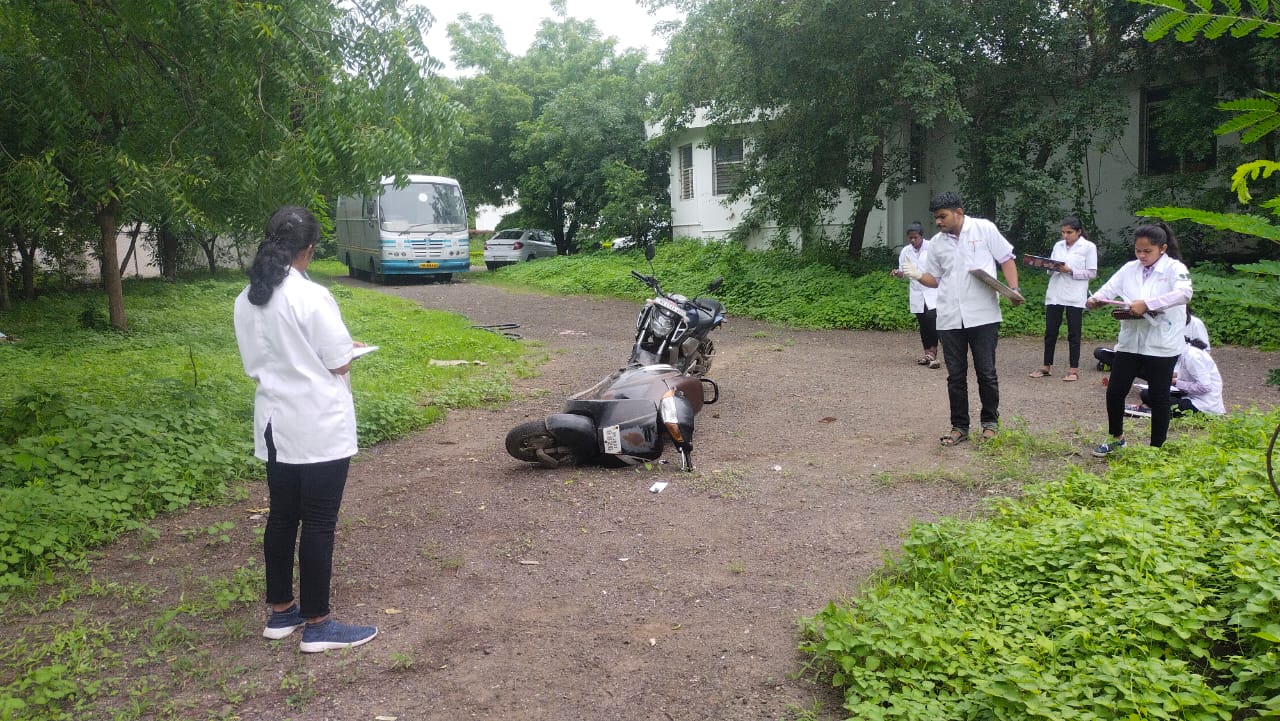
  • Crime Scene Investigation and Reconstruction: Application of scientific methods to reconstruct crime scenes and interpret forensic evidence.

Dissertation Project

During the final year of the M.Sc. program, students undertake a comprehensive research project (dissertation) under the guidance of faculty members. This project involves:

  • Identifying a research problem relevant to forensic science.
  • Conducting a thorough literature review.
  • Designing and executing experiments or case studies.
  • Analyzing data using scientific methodologies.
  • Presenting findings in the form of a written dissertation and defending the research in front of an academic panel.

Collaborative Research

Students also have the opportunity to collaborate with external institutions, including other departments of Dr BAM University, for their dissertation work. This collaboration provides valuable practical experience to the students.

Workshops and Seminars

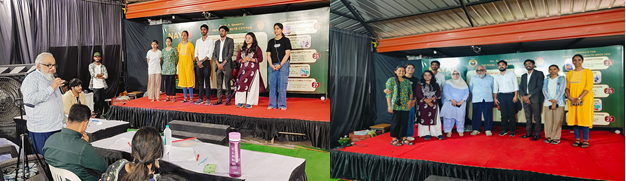
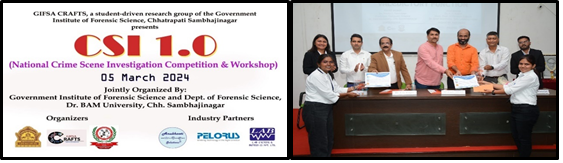
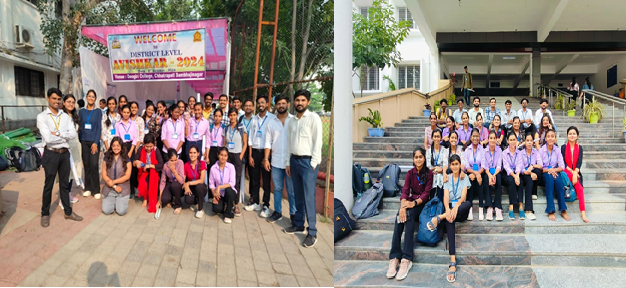
The department regularly organizes workshops, seminars, and conferences to keep students updated on the latest developments and technologies in forensic science. These events are designed to enhance the research capabilities of students by exposing them to expert insights and emerging trends in the field.

Future Research Directions

In the future, the department's Research Section will be responsible for nurturing research in the University, research coordination & management, publication of the University Journal & Newsletter. The department will help in the preparation and submission of research projects for the various funding agencies, encouraging faculties and students to undertake research work, etc.

The current thrust areas of research are:

  • Questioned Document Examination
  • Digital & Cyber Forensics
  • Forensic Chemistry & Toxicology

Research Facilities

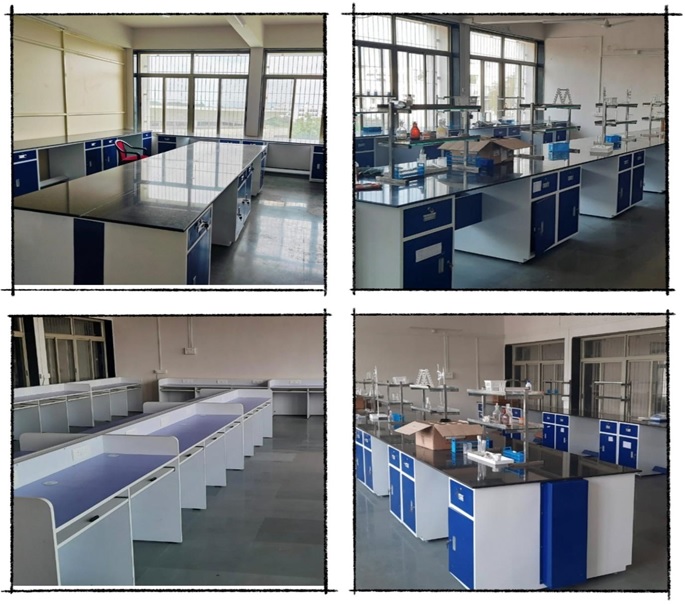
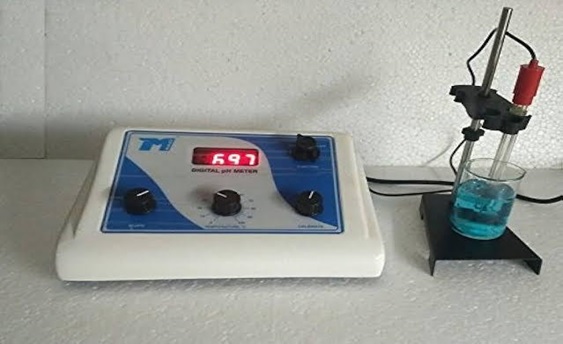
Our department is equipped with laboratories and instrumentation to support students in conducting high-quality research.

Selected Research Articles

A Forensic Aspect on Drug Facilitated Sexual Assault

Swaroop S. Sonone, Swapnali Jadhav, Mahipal Singh Sankhla

Abstract

Drug Facilitated Sexual Assaults (DFSA) is one of the complex and sensitive cases in a criminal investigation. Cases involving date rape drug has increased exponentially in recent years. Some common drugs used in date rapes cases are Gamma-hydroxybutyric acid (GHB), Benzodiazepines, Rohypnol, Ketamine (KET), etc. These drugs are either used alone or with combination to facilitate sexual assault/rape. Date rape drugs are generally added to eating or drinking items intending to take advantage of the situation. A date rape drug alters the consciousness, lowers self-control, makes the body physically weak, or inhibit the ability of a person to oppose sexual assault. This paper focuses on drugs used in a date rape scenario, its effect, collection, biological samples, and forensic analysis.

Diatoms – Drowning Indicators

Arun D. Ghuge, Megha Sapkota

Abstract

If the diatoms are analyzed quantitatively and qualitatively, it can lead not only to a direct determination of the cause of death but also provide evidence as to the site of a suspected drowning.

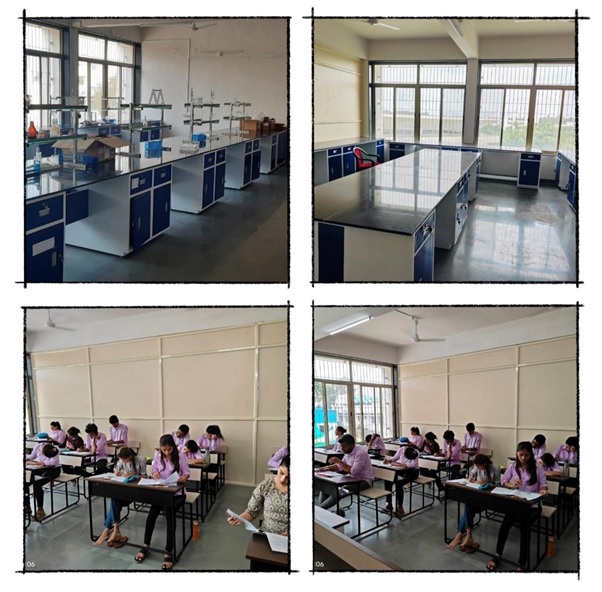
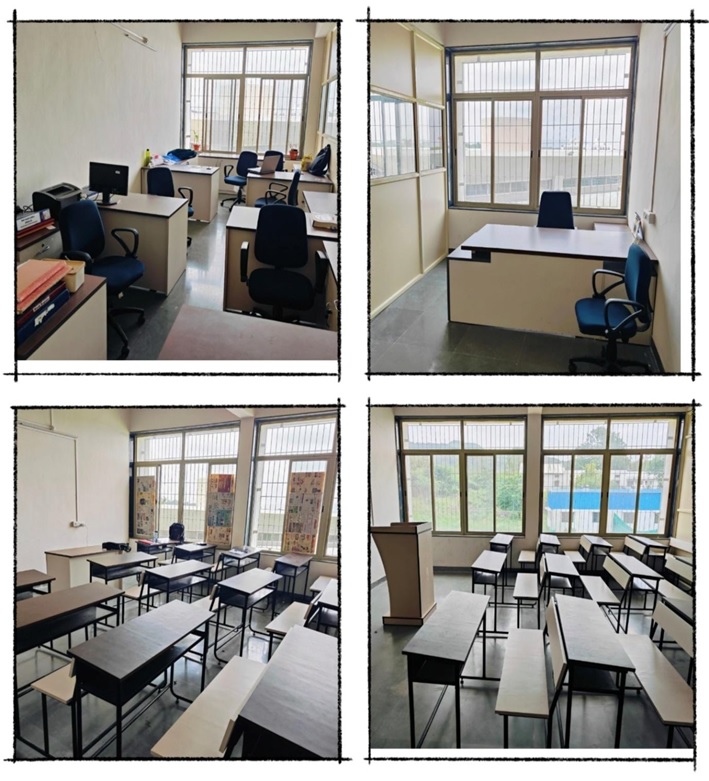
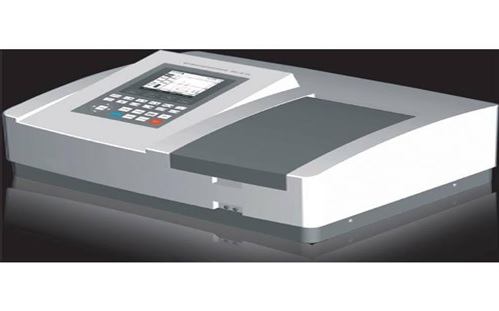
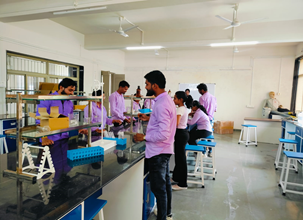
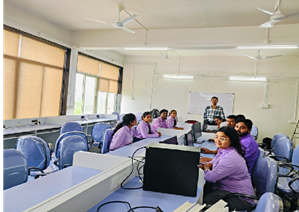
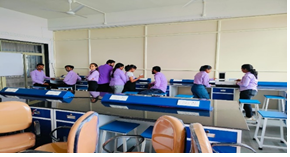
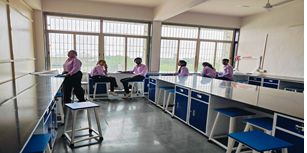
The department is committed to have the best infrastructure and facilities so as to ensure standards of excellence and supreme quality for the students. Department will provide various facilities for imparting good quality higher education and conducting advanced research. Presently Department of Forensic Science is availing laboratory of

  • Questioned Document and Handwriting,
  • Forensic Biology & Serology,
  • Forensic Chemistry & Toxicology,
  • Forensic Physics & Ballistics,
  • Forensic Psychology,
  • Digital and Cyber Forensics.
Very soon, Department of Forensic Science will have their independent well equipped laboratories.
Facilities available

Placement for Forensic Science students –

  • Academics
  • CID, Fingerprint Bureau
  • Cyber Security
  • Police Training Centers
  • Regional, State, Central, Private Forensic Science Laboratories
  • Government Examiner of Questioned Documents
  • Self-Employment/Entrepreneurship
  • Police Stations
  • Banking and Insurance
  • Judiciary
  • Marketing of Forensic Science related instruments, equipment, softwares, hardware, etc.
Student placements Details

Year

Name of Students

Courses Studied

Organization

2022-23
  1. Shantanu Bhale
  2. Prakash Gaikwad
  3. Sunil Ghule
  4. Pratiksha Awde
  5. Sakshi Awasarmol
  6. Nimisha Raju
  7. Biniya Binoy
M.Sc. Forensic Science Directorate of Forensic Science Laboratories, Mumbai, Maharashtra
2023-24
  1. Sneha Khedaker
  2. Sakshi Pagar
M.Sc. Forensic Science Directorate of Forensic Science Laboratories, Mumbai, Maharashtra
Alumni

As a newly established Department of Forensic Science at Dr. Babasaheb Ambedkar Marathwada University, we are excited to nurture the first generation of forensic experts. While we do not yet have alumni, we are committed to building a strong and engaged alumni network in the coming years.

Our future post-graduates will have the opportunity to join an emerging community of forensic scientists who will contribute to various fields, including law enforcement, forensic laboratories, academia, and research institutions. We aim to foster long-lasting relationships with our students as they transition into successful careers, and we look forward to celebrating their achievements as pioneers of our department.

Awards/Honors/Recognisations

Our longstanding reputation is poised to continue with strong growth in the future. Our department and department's faculties have received innumerable awards that speak for the innovations introduced by us and the various milestones achieved.