Department of Yogshastra

Dr. Babasaheb Ambedkar Marathwada University | Official Website

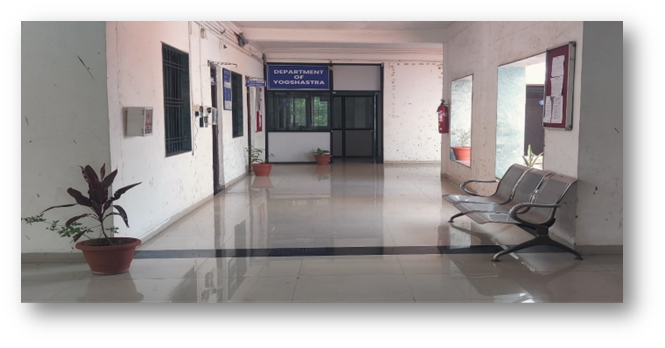
Department of Yogshastra

About Department

The department aims to be one of the international center for promotion of healthy mind, healthy body and healthy soul through formal and non-formal education. The department envisions to develop the center of excellence for teaching multi-lingual ICT based yogashastra.

To develop the manpower in Yogashastra through post-graduate, research studies and there-by contribute in to the development of competent manpower for promotion of healthy people and healthy nation. To develop scientifically competent, knowledge based and values & ethical based leaders in Yogashstra.

Department insights

History

The post graduate course in Education of Dr.Babasaheb Ambedkar Marathwada University was started from the year 2017. In the early years M.A.Yogashastra Course was conducted at Dept.of Dramatics. Thereafter it was shifted to Dept.of Fine Arts followed by getting shifted to Physical Education Dept. presently it is attached with the Dept.of Education, Dr.Babasaheb Ambedkar Marathwada University, Chhatrapati Sambhajinagar.

Despite the movement of Dept.of Yogashastra from one place to another, the response of students has been noticeably increasing and quality of education has also improved. With the introduction of syllabus as per NEP in 2023, the educational standards have been ever escalating. We connect the most ancient knowledge with latest research for therapeutic and educational applications.

Vision and Mission

Vision

To structure the Dr. Babasaheb Ambedkar Marathwada University to be an Epitome of Excellence by creating and imparting time responsive Quality Education to address Changing Scenario, keeping Research and Development at its core, for 'Anyone' at 'Anytime' and 'Anywhere'.

Mission

To develop the proficient & skilled yoga trainers in Yoga through post-graduate, research studies and there-by contribute in to the development of competent yoga practitioners for promotion of healthy people and healthy nation.

To develop scientifically competent, knowledge based and values & ethical based leaders in Yoga.

Objectives

  1. After the successful completion of the program, the students will have the knowledge and skills necessary to teach yoga to students in schools, colleges, and professionally to all age groups in various settings.
  2. To enhance competitive competence in the students for various competitive exams at the national and state level.
  3. Students will learn various yogic techniques for the prevention and treatment of somatic, psychosomatic, and psychological illnesses, which will enable them to design and implement customized yoga programs for individuals with specific health conditions.
  4. Additionally, it will enable students to undertake further studies in Yoga and related areas or in multidisciplinary areas that involve Yoga, providing them with career opportunities in this field.

HOD's Desk

Dr. Suhas Pathak

Assistant Professor & Co-ordinator

View Biodata

Phone No. (office):0240-2403320

Department Phone No. : 0240-2403321

Mobile No. : 9850568411

E-mail : head.yoga@bamu.ac.in

Dr. S.G. Gupta

News & Announcements

- No events available -

Courses / Programs

Facilities Available

Contact

Head, Department of Yogshastra

Dr. Babasaheb Ambedkar Marathwada University,
Aurangabad, Pincode - 431 004

Email: head.yoga@bamu.ac.in

Head: 91-240-2403320

Office: 91-240-2403321

Mobile: 9850568411(HOD)

Courses/Programs
Admissions
Faculty / Staff
Facilities
Research
Alumni
Achievements
Photo Gallery
Course Structure
M. A. Yoga Syllabus-2023-24
M. A. Yoga Syllabus-2018

1. Program Educational Objectives:

The program educational objectives (PEO) are the statement that describes the career and professional achievement after the program of studies (graduation/ post-graduation). The PEO s are driven form question no. (ii) of the Mission statement ( What is the purpose of organization). The PEOs can be minimum three and maximum five.

I. Masterly level of knowledge and competency in Yoga.

II. Ability to work in private and public organization for education and training of Yoga.

III. Ability to provide professional services to the organization/community.

IV. Provide value and ethical leadership for promotion of Yoga.

V. Attitude for life-long learning and higher education and research.

2. Program Outcomes:

The program outcomes (PO) are the statement of competencies/ abilities. POs are the statement that describes the knowledge and the abilities the graduate/ post-graduate will have by the end of program studies.

a. In-depth knowledge and ability to perform Yoga and Yogic practices.

b. Knowledge of the Sanskrit names of the postures and breathing exercises, detailed benefits and caution.

c. Possess an understanding of all aspects of a subject and its specific applications to the practice of Yoga.

d. Practice, possess a confident, in-depth understanding of a subject and its multiple applications as well as its potential limitations in the

e. Demonstrate the ability to undertake particular tasks associated with the work of a Yoga Professional.

f. In-depth knowledge of human systems, yoga and health, Yoga for wellness- prevention and promotion of positive health and Yoga and stress management

g. Knowledge of 360 degree, all round, Yogic exercise through the practice of asanas, proper relaxation, proper breathing, contra-indications, cautions and medical considerations; obvious and subtle benefits; and modification in basic postures to accommodate limitations

h. Familiarity with and demonstrated ability to apply effective teaching methods, adapt to unique styles of learning, provide supportive and effective feedback, acknowledge the aspirant's progress, and cope with difficulties

i. To recognize and manage the subtle dynamics inherent in the teacher – aspirant relationship.

j. Observed capacity for, well-developed communication skills: listening, presence, directive and non-directive dialogue.

k. Demonstrate value based and ethical leadership in the profession of yoga.

l. Ability for life-long learning, higher education and research.

COURSE OUTCOMES

History of Yoga I & II

  • Describe the history and philosophy of yoga and the essence of the main types of traditional and modern yoga
  • Describe yoga in different religion m, eastern and western countries.
  • Explain the role of yoga in different arts.
  • Describe the prachar and prasar of Yoga.

· Explain Ayurveda & its relation with Yoga.

· Explain the basic principles of Ayurveda.

· Demonstrate spiritual learning lesions from different Ayurveda texts.

· Describe the impact of non-material entities like Manas. Atma, etc.

Anatomy and Physiology I & II

· Describe the structures of various body systems in humans.

· Explain Ayurvedic physiological processes in Yoga perspective.

· Explain the basic five elements & their properties.

· Describe functional & structural body entities. (dosha, dhatu, mala, Srotas etc.)

· Explain the functions of Human body in systemic way.

· Explain the interdependence of various systems in human body.

· Explain the role of anatomy & physiology in yoga science

  • Identify key anatomical structures in the human body (nine (9) main joint complexes, twenty (20) opposing muscle group pairs, and three (3) spinal nerve reflexes).
  • Explain the physiology and function of the autonomic nervous system, the cardiovascular system, the digestive system, the reproductive system and the endocrine system.
  • Demonstrate a basic knowledge of the physiological body in terms of nadis, marmas, and chakras in the Indian Hatha yoga system and acupuncture points and meridians in the Chinese Taoist yoga system
  • Explain the basic principles, theory and practice of being your own yoga teacher and critically analyze your own yoga practice including self-assessment, correction, modification and adjustment.
  • Assess the safety issues and contraindications that need to be addressed when practising the Yoga Fundamentals sequence.

· Describe how the underlying anatomical and physiological principles of alignment relate to safe yoga practice.

· Summarizes the philosophical framework underpinning a range of styles of yoga and demonstrate awareness of the effects of yoga practice within the context of health.

Yoga Therapy I & II

· How to interact with the client in a profession

  • Take a case history,
  • Keep records of the session
  • Assess the clients’ needs and progress

· Plan a programme of yoga for the individual

· Make a contract with the client, setting profession

· Understand the current laws involved in therapy work, follow the

  • How to run a Yoga Therapy practice

Basic asana and breathing techniques/ Advance asana and breathing techniques

· Describe the concept and principle of energy awareness

· Describe Visualization and affirmations

· Guide/ perform asana practice with min and understand the contraindications.

· Demonstrate the therapeutic application of Chakra work

· Apply General counseling skills

· Demonstrate and explain the effects of a range of appropriate positional, breathing, relaxation and meditation techniques drawn from diverse yoga practice.

· Describe how the underlying anatomical and physiological principles of alignment relate to safe yoga practice.

· Summarize the philosophical framework underpinning a range of styles of yoga and demonstrate awareness of the effects of yoga practice within the context of health.

· Through a process of reflection identify and assess the personal effects of yoga practice.

Ancient Yoga/ Modern Yoga

· Describe to ancient sciences like Veda & Upanishad.

· Read the literature related to Yoga from Veda & Upanishad.

· Describe the basics of dharshan Shastra.

· Describe the Yoga with reference to Darshana.

· Demonstrate the application of Yoga Darshan

Diet and Nutrition

· Describe the basics of Ayurvedic diet.

· Explain the rules & regulations eating habits.

· Analyze and Describethe basics of modern diet.

· Describe the classification & importance of diet.

· Describe the role & functions of macronutrients & micronutrients

Research Methodology/ Review writing & synopsis writing

· Describe the research methodology for scientific research.

· Explain/practice research process & development of protocol.

· Demonstrate the ethics in research.

· Describe various statistical methods.

· Demonstrate with example data collection, analysis & presentation

Applied Yoga

· Demonstrate the clinical examination skills.

· Explain and demonstrate the process of detail case taking.

· Conduct examination of various body systems.

· Apply yoga in different body conditions like pregnancy.

· Apply yoga in sports, children, physically handicap and senior citizens

· Apply of yoga in different disorders.

Classic Text of Yoga

· Demonstrate the knowledge of Yoga Vashsta, Yoga upnishada,

· Explain the karma yoga as per BhagwatGeeta

· Explain Dnyana yoga as per Dnyaneshwari

Yoga and allied science

· Application of knowledge of anatomy, physiology, yoga and massage manipulation techniques.

· Describe massage therapy and naturopathy, acupressure and hypnotism in context to Yogashastra.

· Demonstrate the basics of naturopathy, acupressure and hypnotism in context to Yogshastra.

Pattern of CET

100 Marks (Multiple Choice Question)

Eligibility

Any Graduate student can get admission to the Course of M.A.Yogashastra First Year.

Intake/Reservations

60 Students

Important Dates (Tentative)

Course/Program Fees

Rs.11791/- (Per Year)

Scholarships

Facility for Son/Daughter/Ward of Secondary Teacher (S.S.T.)

Candidates who are son/daughter/ward of Secondary Teachers and seeking the tuition fees facility should submit their application to the concerned departments. The forms should be carefully filled in. It should be complete in all respects.

Facility for Son/Daughter/Ward of Ex-serviceman/Freedom Fighter

Candidates who are son/daughter/ward of Ex-servicemen/Freedom Fighters and seeking the tuition fees facility should submit their application signed with the seal of the District Ex-serviceman Welfare Board to the concerned department. The forms should be carefully filled in and complete in all respects. Application for BBC facility must be submitted before the last date in the concerned departments. Applications received after the last date will not be entertained.

The schedule of the application procedure for candidates of E.B.C., P.S.T., S.S.T., and Ex-Servicemen will be communicated to Departments through circular by P.G. section. EBC, PST, SST facility for non-granted courses is subject to the decision of the Government Authority.

Scholarship: Government of India Scholarship (G.O.I.)

The Government of India (G.O.I.) gives scholarships for students belonging to the reserved categories. The online application form in the proper format and supported by the following documents must be submitted to the Post-Graduate Section (Admission Unit) before the last date. Applications received after the last date will not be entertained under any condition. AADHAR CARD No. is compulsory for Scholarship holder students. Management Quota Students are not eligible for GOI and Freeship Scholarships (e.g., MBA, MCA, B.Tech. Students of Management Quota are not eligible for this facility.)

A. New scholarship application form with a passport-size photograph of the student must be duly signed by the competent authority.

B. Application for scholarship forms must be submitted with attested copies of the following documents:

  • Transfer Certificate (Photocopy of original T.C.)
  • Caste Certificate
  • Income Certificate of the father/guardian (original) (issued by the Executive Magistrate)
  • Attested Copy of Death Certificate in case of the death of the father.
  • March Salary Certificate of parents in case of service.
  • Photocopy of Mark Memo.
  • Certificate from hostel in case of a student staying at the hostel.
  • Income Certificate of the husband must be given in the case of a married girl student.
  • District change certificate must be given in case of a student coming from another district.

In case of Duplicate T.C., no concession! The scholarship will be given. Such students will have to pay full fees.

Scholarship will be issued to the students who have fulfilled 75% attendance.

The income of the guardian of the student should be less than the limit declared by the Govt. from time to time.

The caste of the student (Scheduled Caste, Scheduled Tribe, Nomadic and Denotified Tribe, Other Backward Special Backward Categories) must be included in the list as per the govt. policy for reservation.

Students or parents of students belonging to Erstwhile Scheduled Caste who have later converted to Buddhism are entitled to obtain a scholarship.

Candidates who applied for vocational courses can obtain a scholarship whether they passed or failed in the course (Degree/Diploma) from the Arts, Commerce, and Science faculty. But such students cannot further change their course.

Candidates who have once accepted a scholarship for a vocational course are not allowed to get a scholarship for the next vocational course.

Candidates working in full-time jobs are not eligible for a scholarship. But candidates learning on leave without salary will be eligible for a scholarship.

A scholarship will not be given to more than two children in the same family. (This condition is not applicable in the case of girls) (The third child will not get the scholarship.) (Exception: If the second child is twins or more than two, consider them as one unit.)

Candidates should fill out a new application form for a scholarship in case of their first admission. Second-year candidates do the process as directed by the Social Welfare office. A new application form should be filled out in case of any gap.

Important Notes About Scholarships/Fellowships

Exam appearance is mandatory for GOI, Freeship, EBC, PST, SST, Ex-Serviceman, Freedom fighter, and other scholarship facility holders. Otherwise, students must pay total tuition fees.

Scholarship facility is not for Certificate/Diploma courses.

In some scholarships, tuition fees are not transferred to the university/college account. Students must pay their tuition fees (e.g., Minority Scholarship, Handicapped Scholarship, etc.).

About Other Scholarships
  1. Vidyavetan Facility:

    The application form should be submitted in the P.G. Section within 15 days after completing the admission. A Govt. Hostel Certificate is necessary to fulfill this form.

    This facility is only for SC, ST, DNT students who have completed their admission for professional courses. ST Students must attach an attested caste validity certificate with the scholarship form, and if the student is living in a hostel, then they must furnish a Hostel Certificate.

  2. Important Note about Scholarship:

    Candidates are not eligible for GOI, EBC, PST, SST, Freedom fighter, or any governmental scholarship if they do not attend the exam and will have to pay full fees.

    Governmental Scholarships are not given for Diploma/Certificate Courses.

  3. Other Scholarships:

    Candidates of the University campus can get the following scholarships by the Govt. of Maharashtra and University as stated below:

  4. Eklavya Scholarship:

    This Scholarship will be given to candidates who have secured 60% marks in Degree Exams in the Art Faculty and 70% marks in the Science Faculty Degree Examination. After submitting the application form in the proper format, the Eklavya Scholarship will be approved by the Director of Higher Education, Govt. of Maharashtra, Pune. The annual income of the parents of an applicant must be as prescribed by the Government.

  5. University Merit Scholarship:

    After completing the admission procedure, the University Scholarship will be granted to the applied candidates ranking 1st and 2nd as per merit in each subject. Three candidates of M.Phil. can get this Scholarship as per the merit list in each subject.

  6. Post Matriculation Scholarship:

    Post Matriculation Scholarship for students belonging to Minority communities. The students belonging to the Minority communities (Muslim, Parsi, Sikh, Christian, Buddha, Jain) learning in the university.

  7. Scholarship for Non-Hindi Language Speakers:

    Non-Hindi Language speakers who are studying in the Hindi language could submit their applications in the proper format for the Scholarship for Non-Hindi language speakers. The Scholarship for Non-Hindi language speakers will be given to four candidates only.

The scholarship holders of any kind are supposed to abide by the following rules:
  • Candidates will get only one scholarship at a time. Legal action will be taken against a candidate accepting two scholarships at a time. Students must furnish the form in the Hindi Department.
  • It is mandatory to submit the application form for the scholarship within the stipulated time.
  • The amount of the scholarship will be given only after its approval and acceptance of the amount of the scholarship by the University.
Faculty/Staff
Name Specialization
Dr. Suhas Pathak

Dr. Suhas Pathak

Assistant Professor & Head

Email: sspathak2010@gmail.com

Contact: +91 9850568411

Resume | View Profile

Not Specified
Dr. Omprakash Ambadas Wagh

Dr. Omprakash Ambadas Wagh

Assistant Professor (Contractual)

Qualification: B.Sc. (Computer Science), M.Sc. (Yoga & Science of Living), M.A. (Yogashastra), Ph.D. (Yogashastra), M.Lib. & Inf. Sci., D.Y.T.

Email: omprakashwagh5623@gmail.com

Contact: +91 7387414127

Yogashastra, Library & Information Science
Infrastructure Facilities
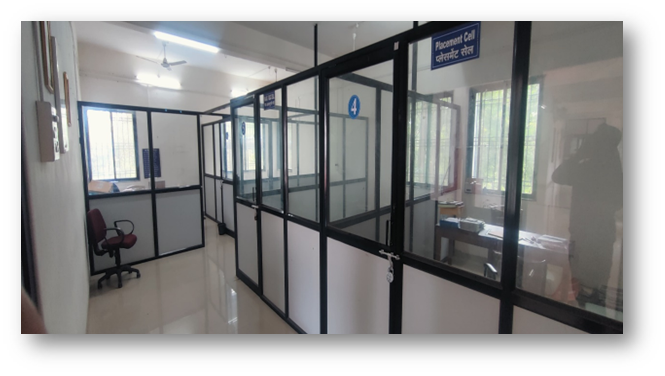
Placement Cell
Zarikar Madam
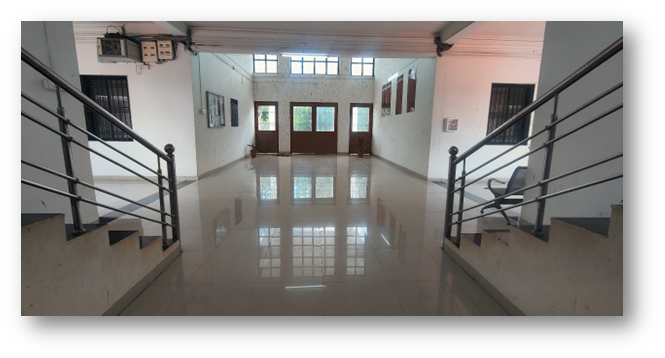
Department  Building
Zarikar Madam
Library
Zarikar Madam
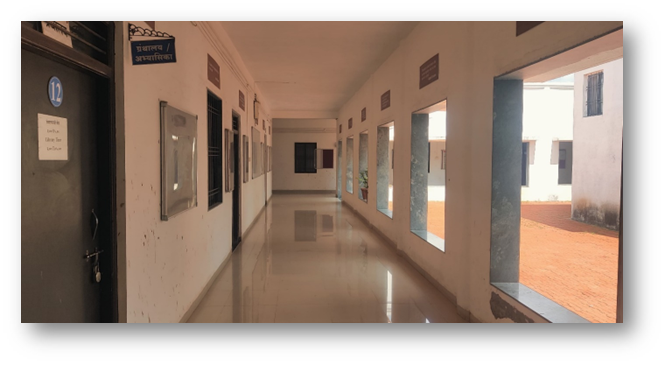
Office
Zarikar Madam

Selected Research Articles

Coming Soon

Publication Output

Coming Soon

Thurst Areas

Research Projects

Coming Soon

Alumni
Sr. No. Name of Alumni Current Status Year of Passing
1 Deepak M.Patni Yog Prashikshak 2024
2 Dr.Arpita Saxena Teacher 2023
3 Dr.Suchita Sawle Doctor 2023
4 Suvarna Kulkarni Yog Teacher 2023
5 Sonali Kshirsagr Asst.Professor 2022
6 Abhijit Shelke Professor 2021
7 Sulakshana Mane Business 2021
8 Kavita Pisolkar Business 2021
9 Pushplata Bhalerao Self-Clinic 2021
10 Pratibha Mate Associate Professor 2021
11 Rajendra Saraph Lecturer 2021
12 Vishnu Udhan Asst. Professor 2021
13 Smita Karimungi Yoga Trainer 2021
14 Dr.Vijay Kathar Medical Officer 2021
15 Kavita D.Khose Sports HOD 2019
16 Dr.Omprakas A.Wagh Asst. Professor (Yogshastra) 2019
17 Sushila Banswal Yoga Therapist 2019
18 Ambadas Danve Leader of Opposition 2019
19 Ambadas M.Wagh Yog Teacher 2017
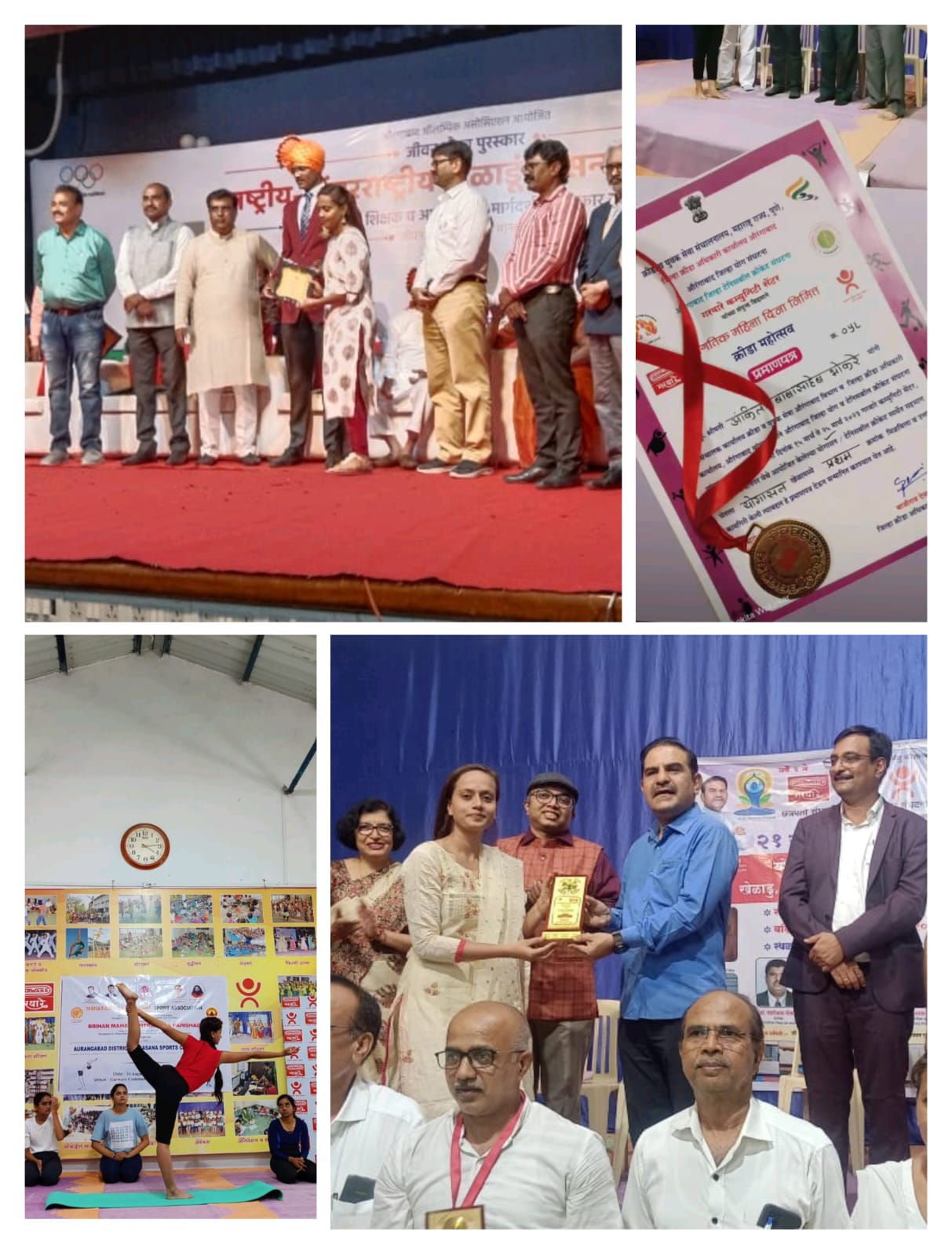
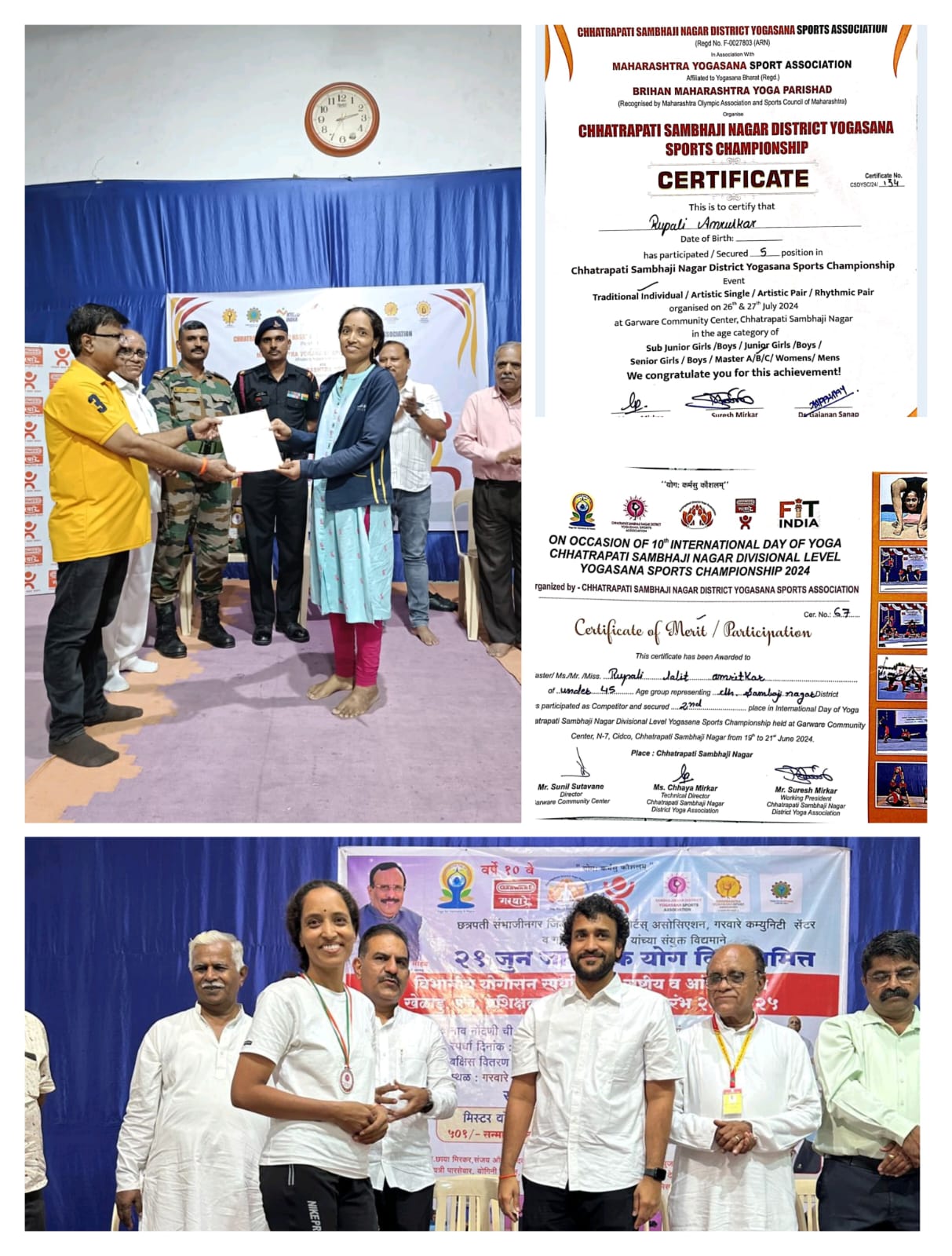
Achievements
Sr. No. Name of Student Photo
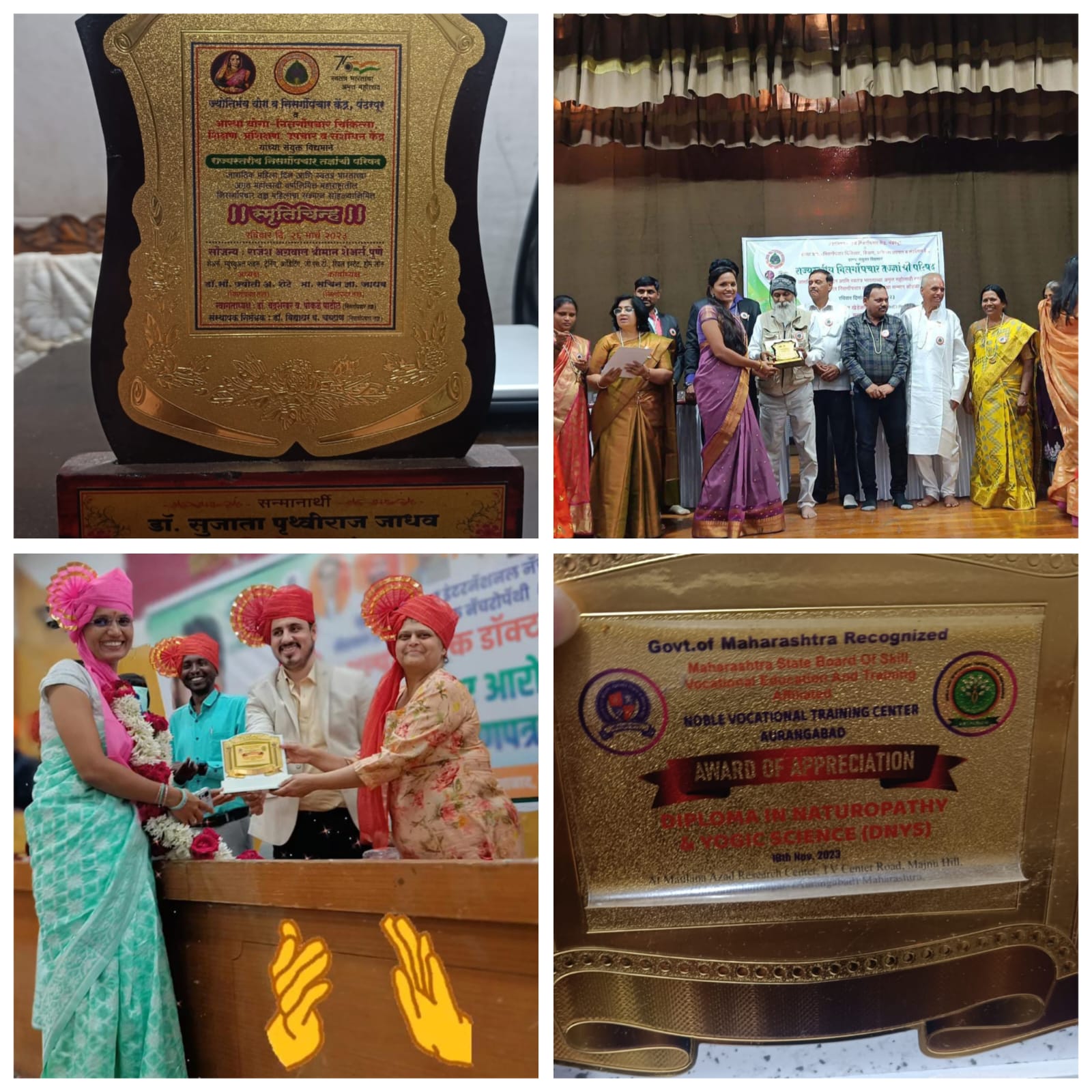
1 Sujata Jadhav
2 Ankita Bhokre
3 Suraj Bankar
4 Rupali Yewle
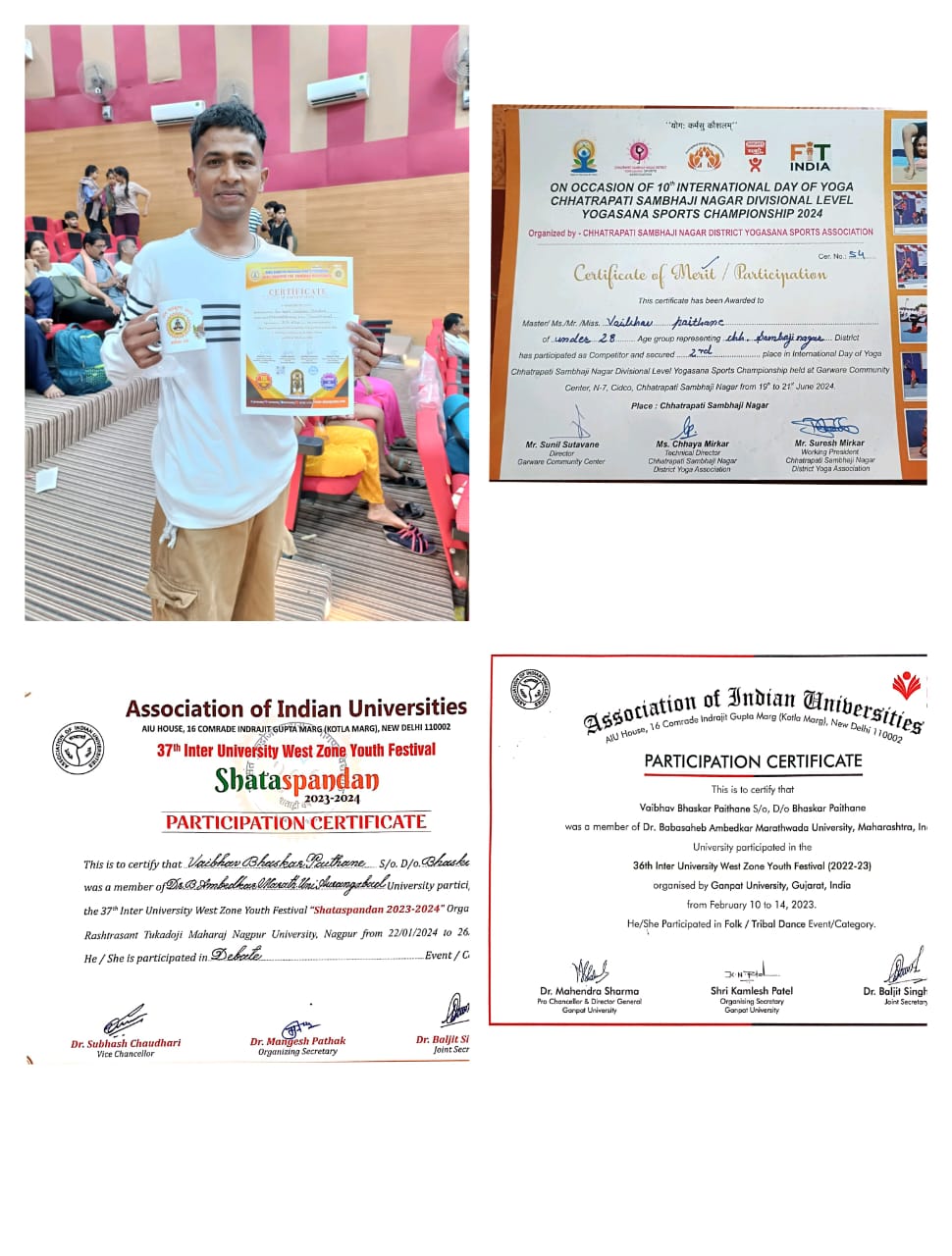
5 Vaibhav Paithane
6 Sushma Shinde
7 Sujata Jadhav


Photo Gallery


Image 111
Image 112
Image 113
Image 114

Image 111
Image 112
Image 113
Image 114

Image 111
Image 112
Image 113
Image 114