National Services Scheme (NSS)

Dr. Babasaheb Ambedkar Marathwada University | Official Website

National Services Scheme

About Department

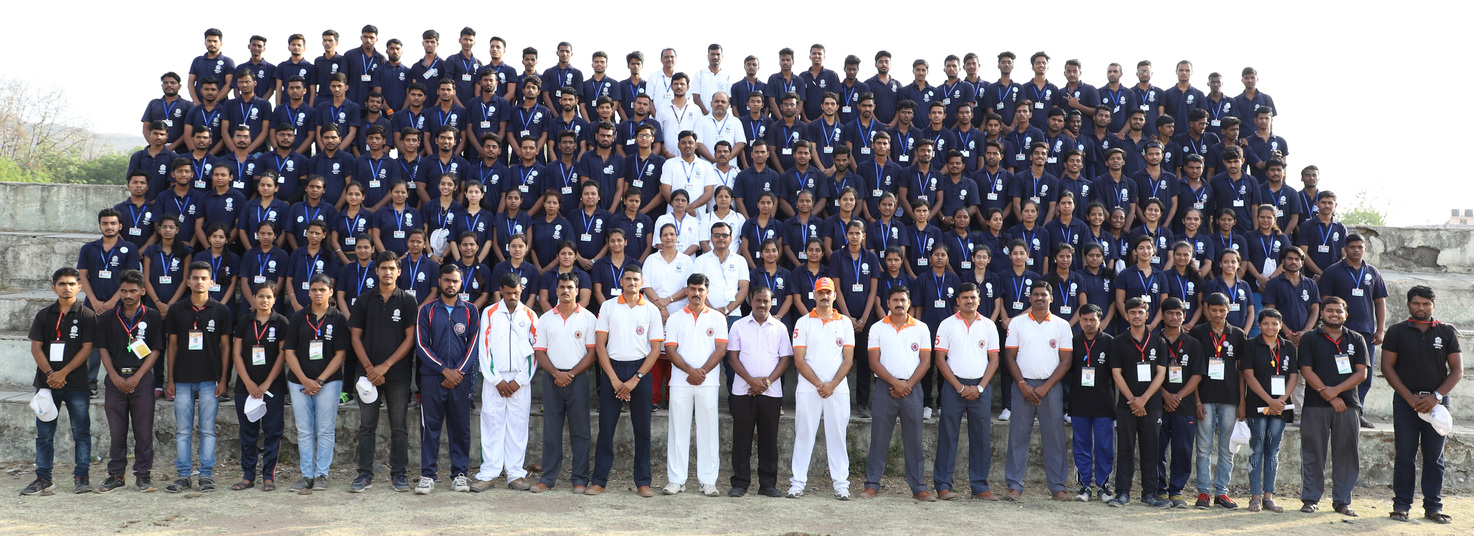
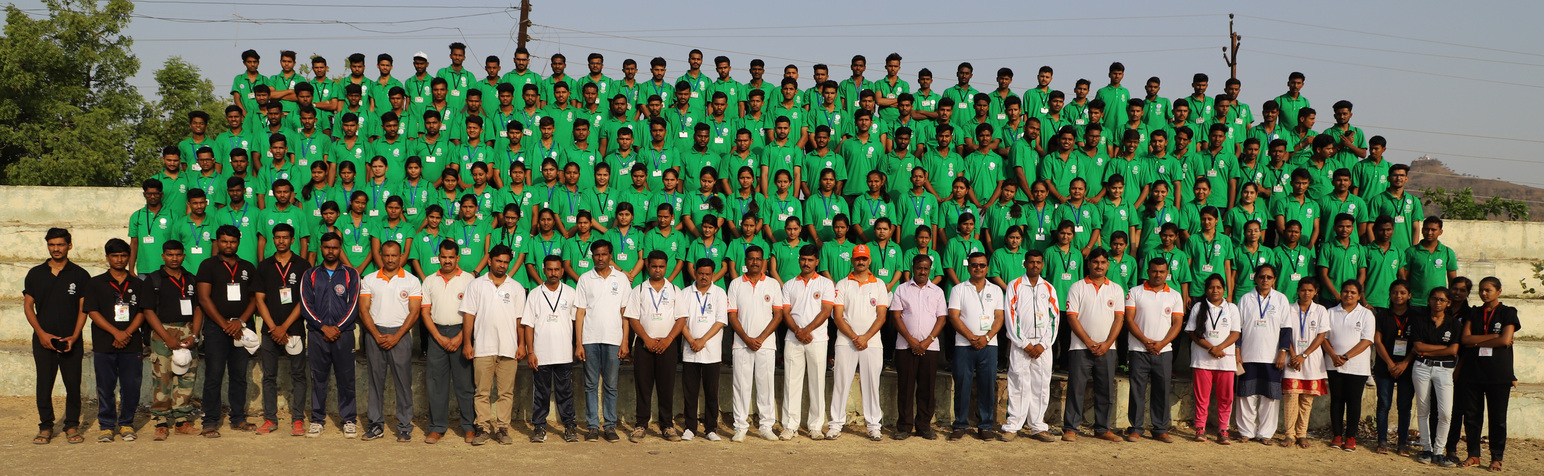
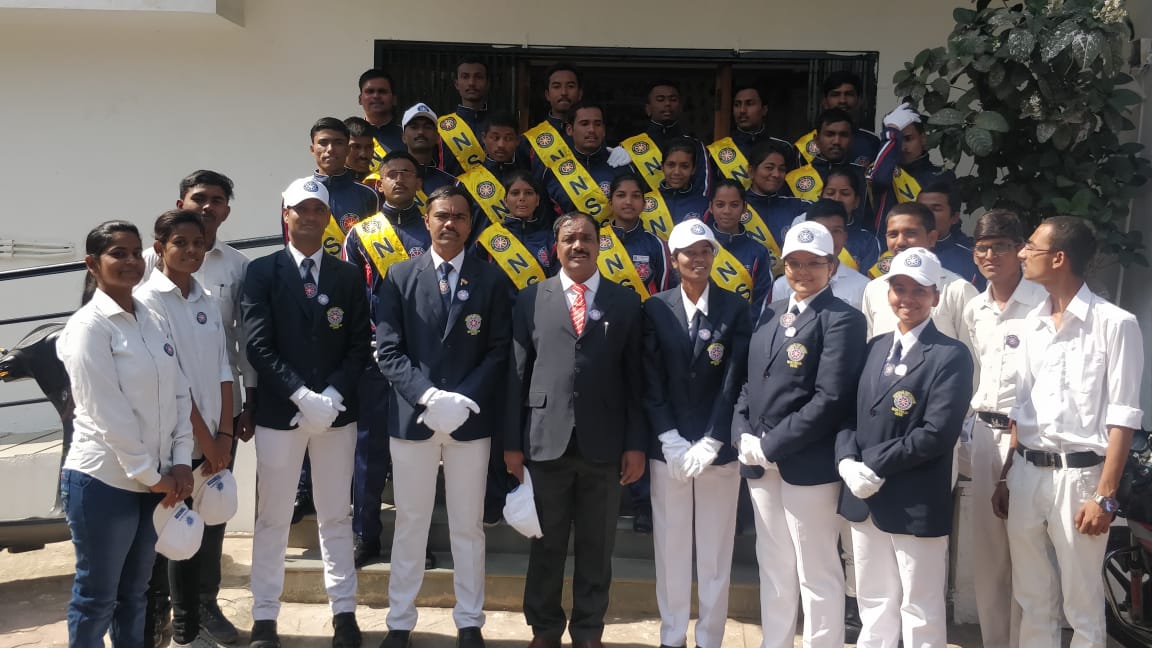
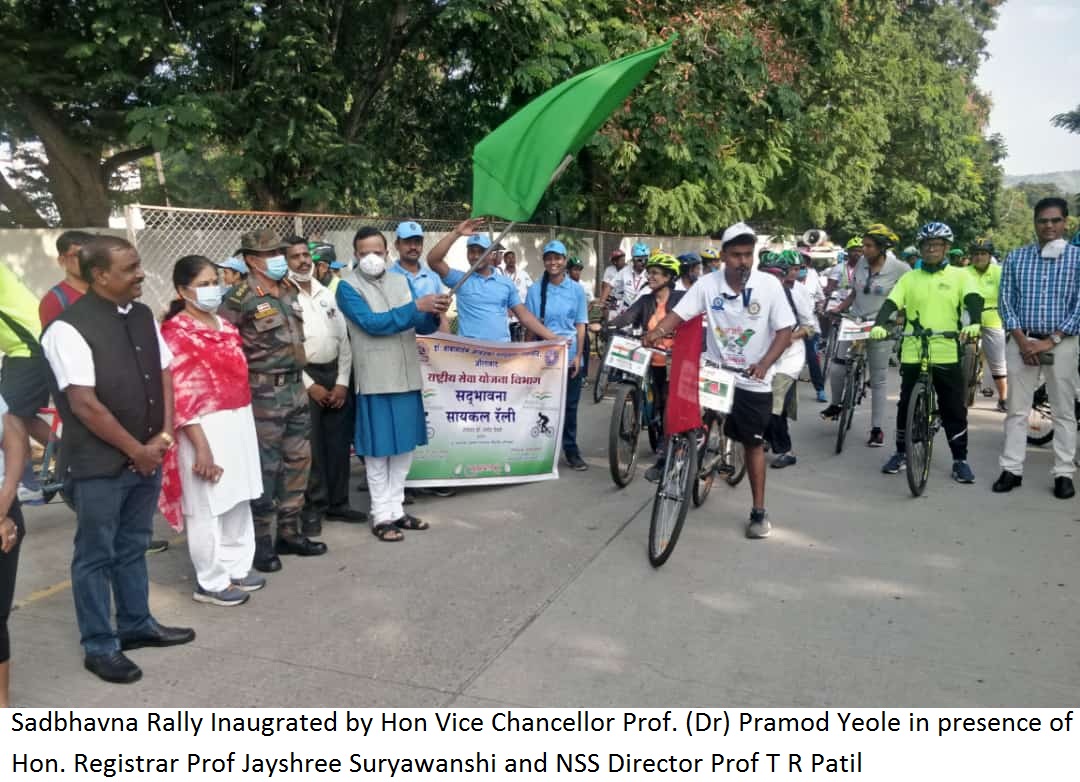
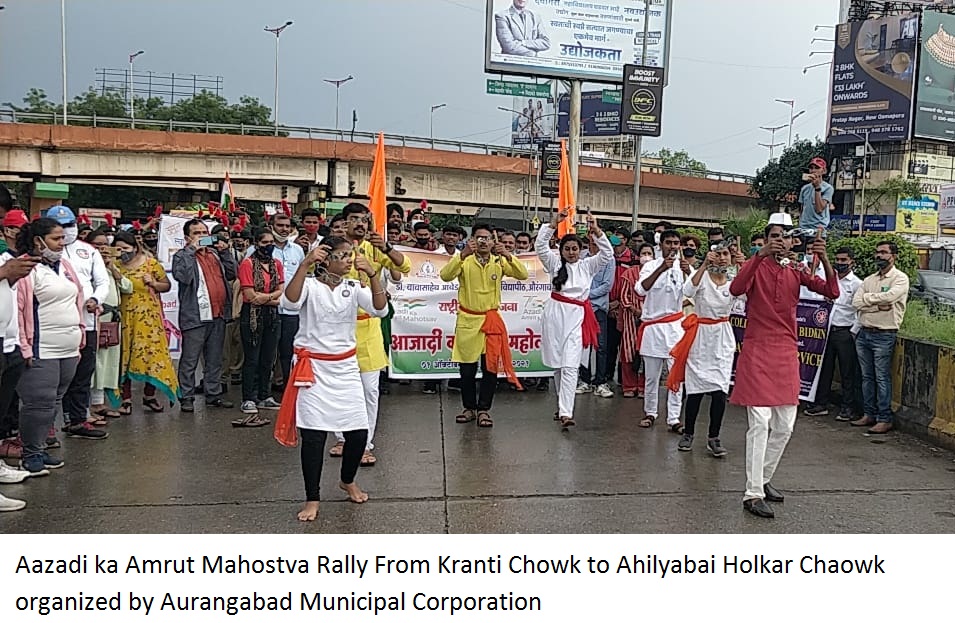
Dr. Babasaheb Ambedkar Marathwada University has been continuously involved in the National Service Scheme (NSS) since its inception. The primary aim of this involvement is to provide students with opportunities to engage in social activities, ultimately contributing to their personality development.

The National Service Scheme encompasses students within the realm of higher education. Consequently, the administrative structures of higher education bear the responsibility of overseeing the NSS and its implementation at the university level. The effective operation of the NSS cell at the University level will provide significant impetus for the proper implementation of NSS at the unit level.

Department insights

History

National Service Committee was launched in the year 1959-60 under the chairmanship of Dr. C. D. Deshmukh, had recommended that National Service for a period of 9 months to a year should be made compulsory before a student enters the university or employment. The Saiyidain committee (1961) Appointed by the ministry of education did not favour compulsion and recommended National or Social Service for a minimum period of 12 weeks on a voluntary basis.

The National Service Scheme was launched in 1969. It aims at the involvement mainly of undergraduate students on a voluntary basis in various activities of social serviced and national development which while making a contribution to socio-economic progress would also provide opportunities to the students to understand and appreciate the problems of the communities, awaken social consciousness and inculcate in them sense of dignity of labour. There has been a great deal of enthusiasm among the students in various programmers taken up under the scheme. At the same time, there has been a demand from several quarters that opportunity should be provided to the youth going out of the universities and colleges to engage themselves on a whole time basis for a specific period in activities of social and national service. Some attempts in this direction have been made in some states during last few years.

The post-independence era was marked by an urge for introducing social service for students, both as a measure of educational reform and as a means to improve the quality of educated man-power. The University Grants Commission headed by Dr.Radhakrishnan recommended introduction of national service in the academic institutions on a voluntary basis with a view to developing healthy contacts between the students and teachers on the one hand and establishing a constructive linkage between the campus and the community on the other hand.

The idea was again considered by the Central Advisory Board of Education (CABE) at its meeting held in January, 1950. After examining the various aspects of the matter and in the light of experience of other countries in this field, the Board recommended that students should devote some time to manual work on a voluntary basis and that the teachers should also associate with them in such work. In the draft First Five Year Plan adopted by the Government of India in 1952, the need for social and labour service for students for one year was further stressed. Consequent upon this, layout and social service camps, campus-work projects, village apprenticeship scheme etc., were put into operation by various educational institutions. In 1958, the then Prime Minister Pandit Jawaharlal Nehru in his letter to the Chief Ministers, mooted the idea of having social service as a prerequisite for graduation. He further directed the Ministry of Education to formulate a suitable scheme for introduction of national service into the academic institutions.

In 1959, a draft outline of the scheme was placed before the Education Minister's Conference. The Conference was unanimous about the urgent need for trying out a workable scheme for national service. In view of the fact that education as it was imparted in schools and colleges, left something to be desired and it was necessary to supplement it with programmes which would arouse interest in the social and economic reconstruction of the country. It was viewed that if the objectives of the scheme were to be realised, it was essential to integrate social service with the educational process as early as possible. The Conference suggested the appointment of a committee to work out details of the proposed pilot project. In pursuance of these recommendations, a National Service Committee was appointed under the Chairmanship of Dr.C.D.Deshmukh on August 28, 1959 to make concrete suggestions in this direction. The committee recommended that national service for a period of nine months to a year may be made compulsory for all students completing high school education and intending to enroll themselves in a college or a university. The scheme was to include some military training, social service, manual labour and general education. The recommendations of the Committee could not be accepted because of its financial implications and difficulties in implementation.

In 1960, at the instance of the Government of India, Prof.K.G.Saiyidain studied national service by students implemented in several countries of the world and submitted his report under the title " National Service for the Youth " to the Government with a number of recommendations as to what could be done in India to develop a feasible scheme of social service by students. It was recommended that national or social service should be introduced on a voluntary basis and extended as widely as possible with a provision for rich and varied programmes of activities. It was also recommended that social service camps should be open to students as well as non-students within the prescribed age group for better interrelationship.

The Education Commission headed by Dr.D.S.Kothari (1964-66) recommended that students at all stages of education should be associated with some form of social service. This was taken into account by the State Education Ministers during their conference in April 1969 and they recommended that at the university stage, students could be permitted to join the National Cadet Corps (NCC) which was already in existence on a a voluntary basis and an alternative to this could be offered to them in the form of a new programme called the National Service Scheme (NSS). Promising sportsmen, however, should be exempted from both and allowed to join another scheme called the National Sports Organisation (NSO), in view of the need to give priority to the development of sports and athletics.

The Vice-Chancellor's Conference in September,1967 welcomed this recommendation and suggested that a special committee of Vice-Chancellors could be set up to examine this question in detail. In the statement of national policy on education of the Government of India, it was laid down that work experience and national service should be an integral part of education. In national service should be an integral part of education. In may, 1969, conference of the student's representatives of the universities and institutions of higher learning convened by the Ministry of Education and the University Grants Commission also Unanimously declared that national service could be a powerful instrument for national integration. It could be used to introduce urban students to rural life. Projects of permanent value could also be undertaken as a symbol of the contribution of the student community to the progress and upliftment of the nation.

Objectives

The overall objective of NSS is Personality Development through community service. The objectives of NSS are to:

  • Understand the community in which they work
  • Understand themselves in relation to their community
  • Identify the needs and problems of the community and involve them in problem solving process.
  • Develop among themselves a sense of social and civic responsibility
  • Utilize their knowledge in finding practical solution to individual and community problems
  • Develop competence required for group-living and sharing of responsibilities
  • Gain skills in mobilizing community participation
  • Acquire leadership qualities and democratic attitude
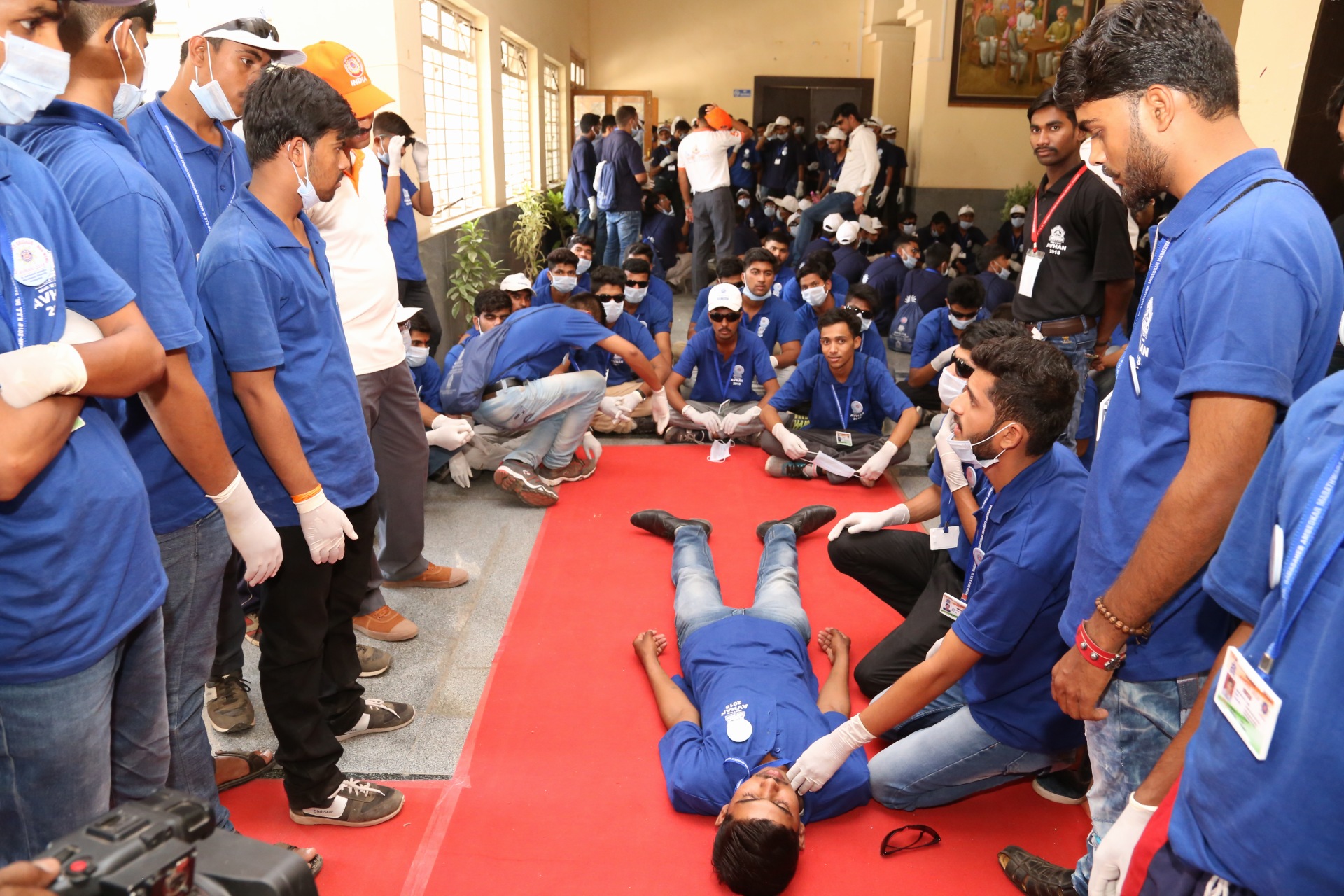
  • Develop capacity to meet emergencies and natural disaster and
  • Practice national integration and social harmony

Motto

The motto or watchword of the NSS is “Not me but you”. It underlines that the welfare of an individual is ultimately dependent on the welfare of society on the whole. This express the essence of democratic living and upholds the need of selfless service and appreciation of the other man’s point of view and also consideration for fellow human beings. That means an individual who joins in this scheme is moulded to believe that the welfare of an individual is ultimately depends upon the welfare of the entire society. The NSS family members forget their personal interests and dedicate themselves for the creation of a sophisticated society. As for them there will always be a deep concern for the poor and down trodden. The NSS has not only played an important role in involving the youth in community development programme but also provided them an excellent opportunity to grow up as useful and responsible citizens of the country. The University NSS Cell functions dynamically with the same motto.

Symbol

Badge

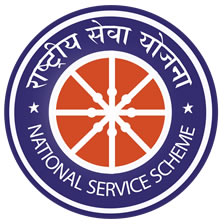
The NSS symbol is embossed on the NSS badge. The NSS volunteers wear it while undertaking any program or community service. The konark wheel in the symbol has eight bars, which represent the 24 hours of the day. Hence, the badge reminds the wearer to be in readiness for the service of the nation round the clock i.e. for 24 hours. The Red Colour in the badge indicates that the NSS volunteers are full of blood i.e. lively, active energetic and full of high spirit. The Navy Blue Colour indicates the cosmos of which the NSS is a tiny part, ready to contribute its share for the welfare of the mankind.

NSS Day

NSS was formally launched on 24th September 1969, the birth Centenary year of Father of Nation. Therefore, 24 September is celebrated every year as NSS Day with appropriate programs and activities

NSS Song

During Silver Jubilee Year 1994 the NSS theme song has been composed. All NSS volunteers are expected to learn the theme song and sing the song during NSS programs and celebrations.

We shall overcome
We shall overcome
We shall overcome some day
O! deep in my heart
I do believe that
We shall overcome some day

We’ll walk hand in hand
We’ll walk hand in hand to- day
O! deep in my heart
I do believe that
We shell overcome some day

We shall live in peace.
We shall live in peace to-day
O! deep in my heart
I do believe that
We shall overcome some day

We shall not be afraid
We shall not be afraid to-day
O! deep in my heart
I do believe that
We shall overcome some day.

Activities & Camps

Contact

National Services Scheme

Dr. Babasaheb Ambedkar Marathwada University,
Chhatrapati Sambhajinagar, Pincode - 431 004

Email: nss@bamu.ac.in

Office 1: 91-240-2403134

Office 2: 91-240-2403135

Directors Desk
Activities & Camps
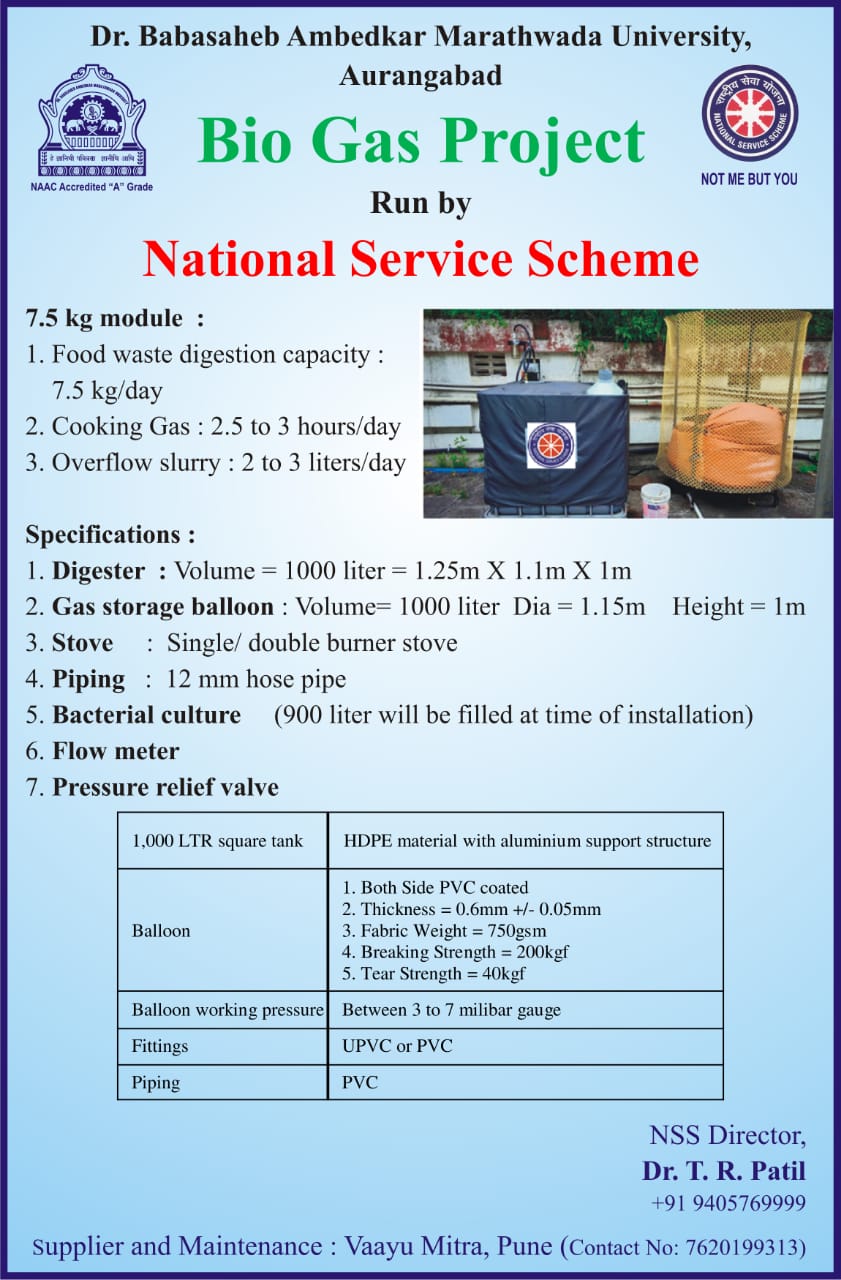
Bio Gas Project
Brain-Storming Conclave on Atma Nirbhar
Photo Gallery
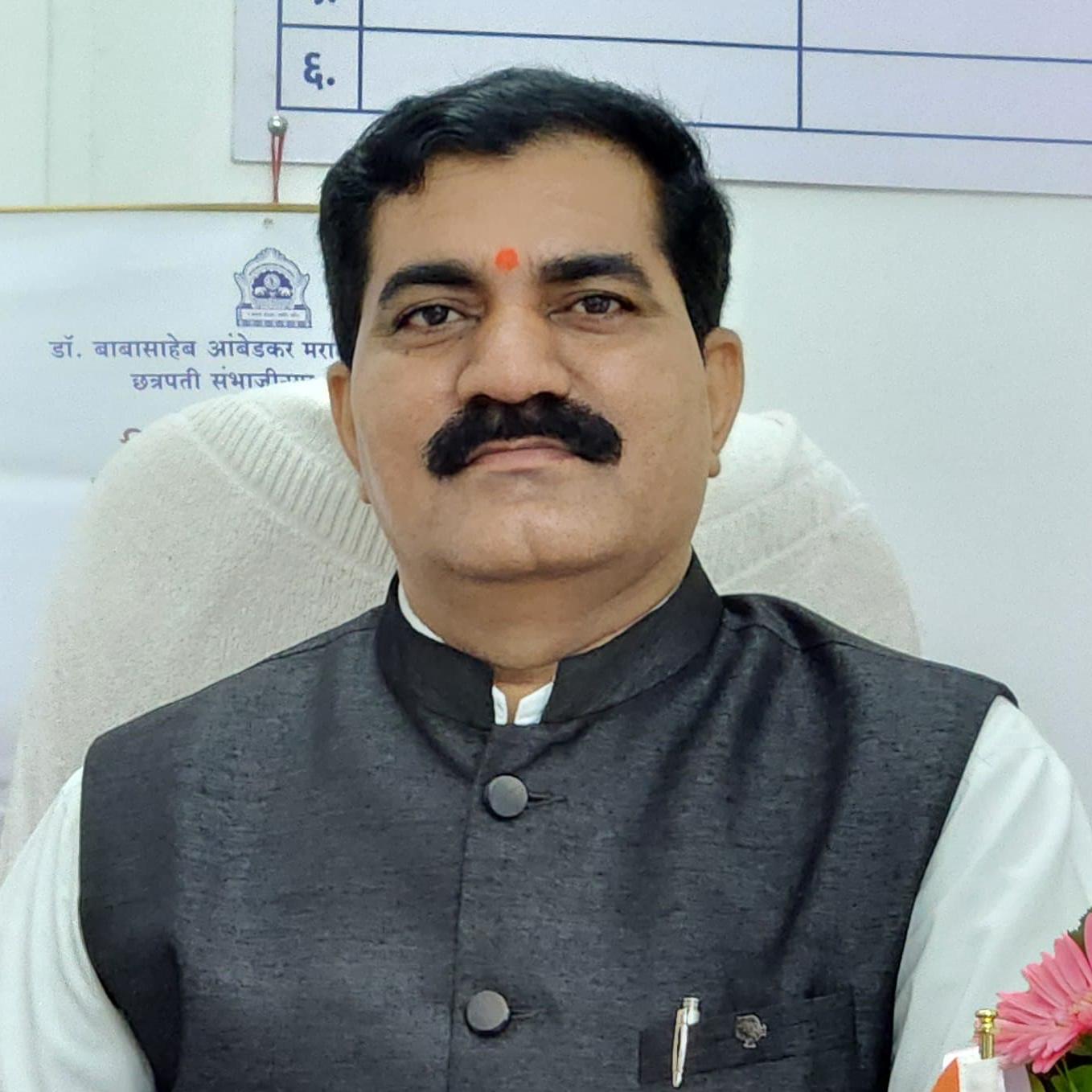
Dr. Sominath Khade

Director, National Service Scheme (NSS)

Phone No. :(office) (0240)-2403134 
Fax No. :(0240)-2403135
Email : nss@bamu.ac.in

The National Service Scheme covers students at the level of higher education. Thus the administrative structures of the higher education have the responsibility of looking after NSS and its implementation at the university level. The successful functioning of NSS cell at University level will give impetus for proper implementation of NSS in the unit level.

Activities & Camps

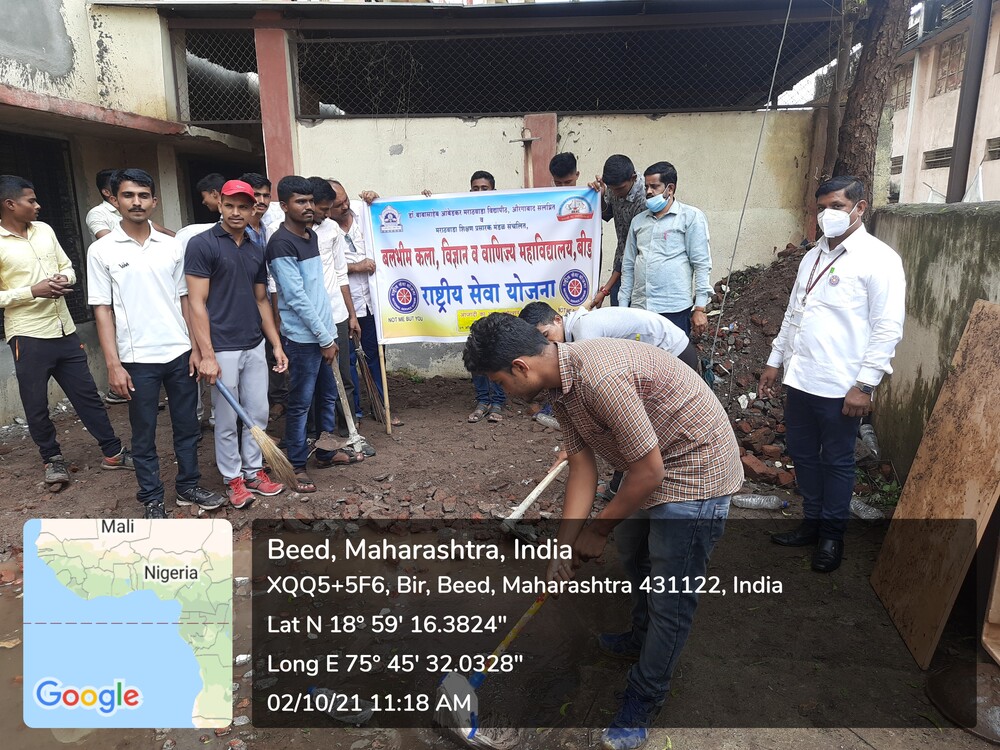
Many activities are taken up by NSS at each college:

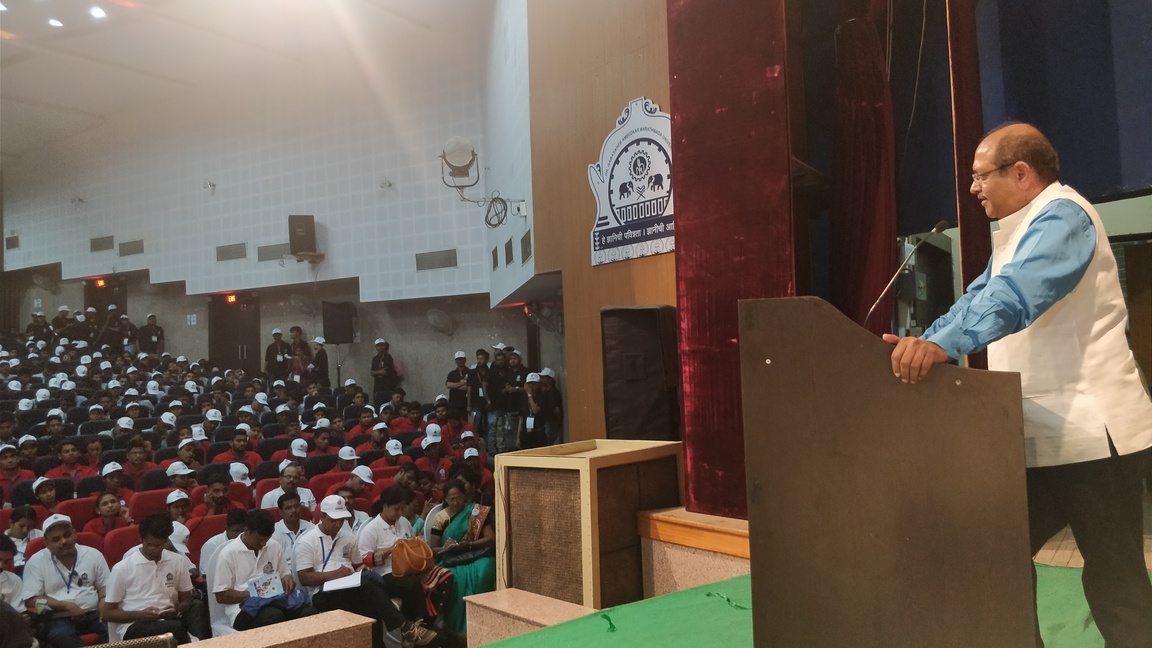
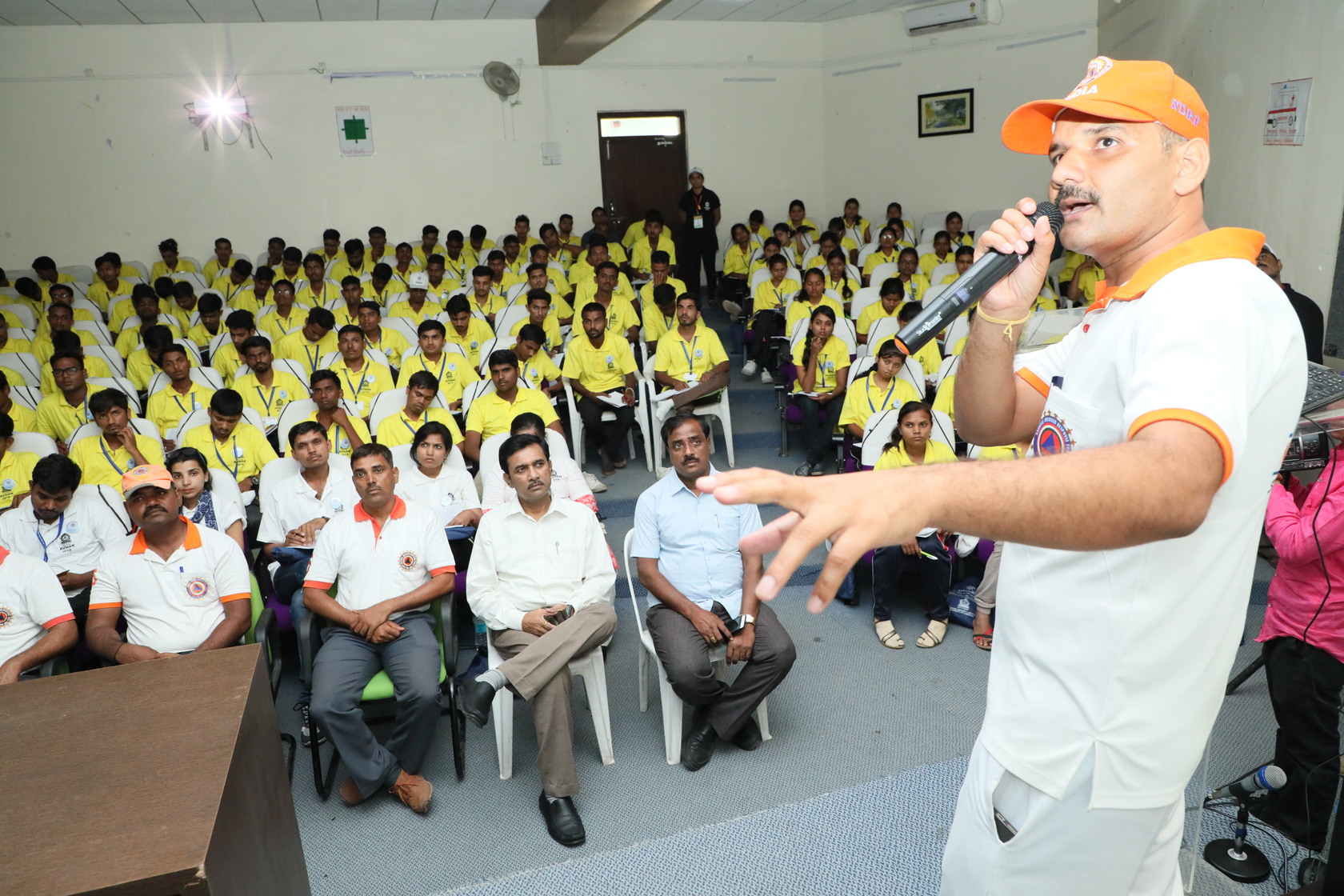
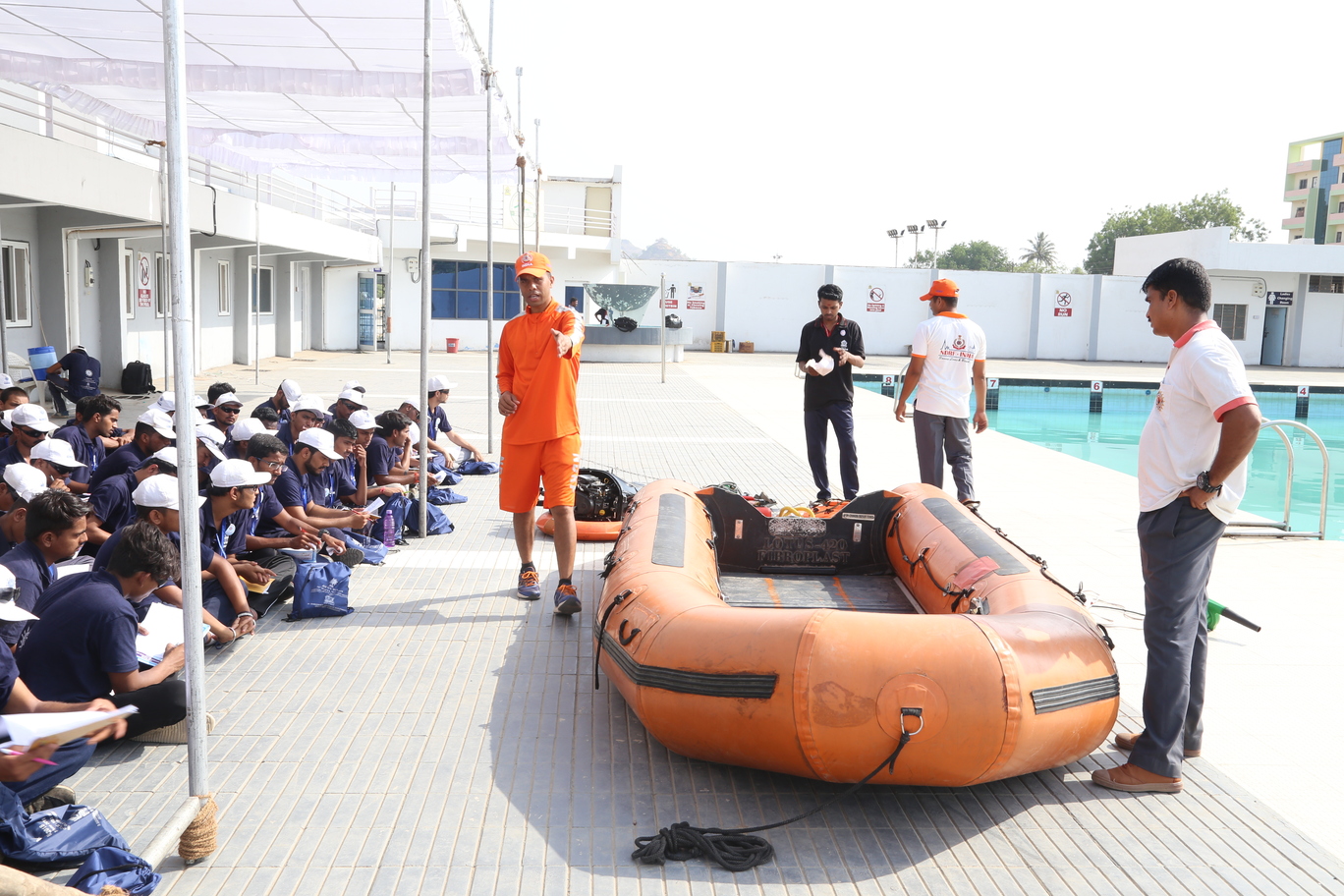
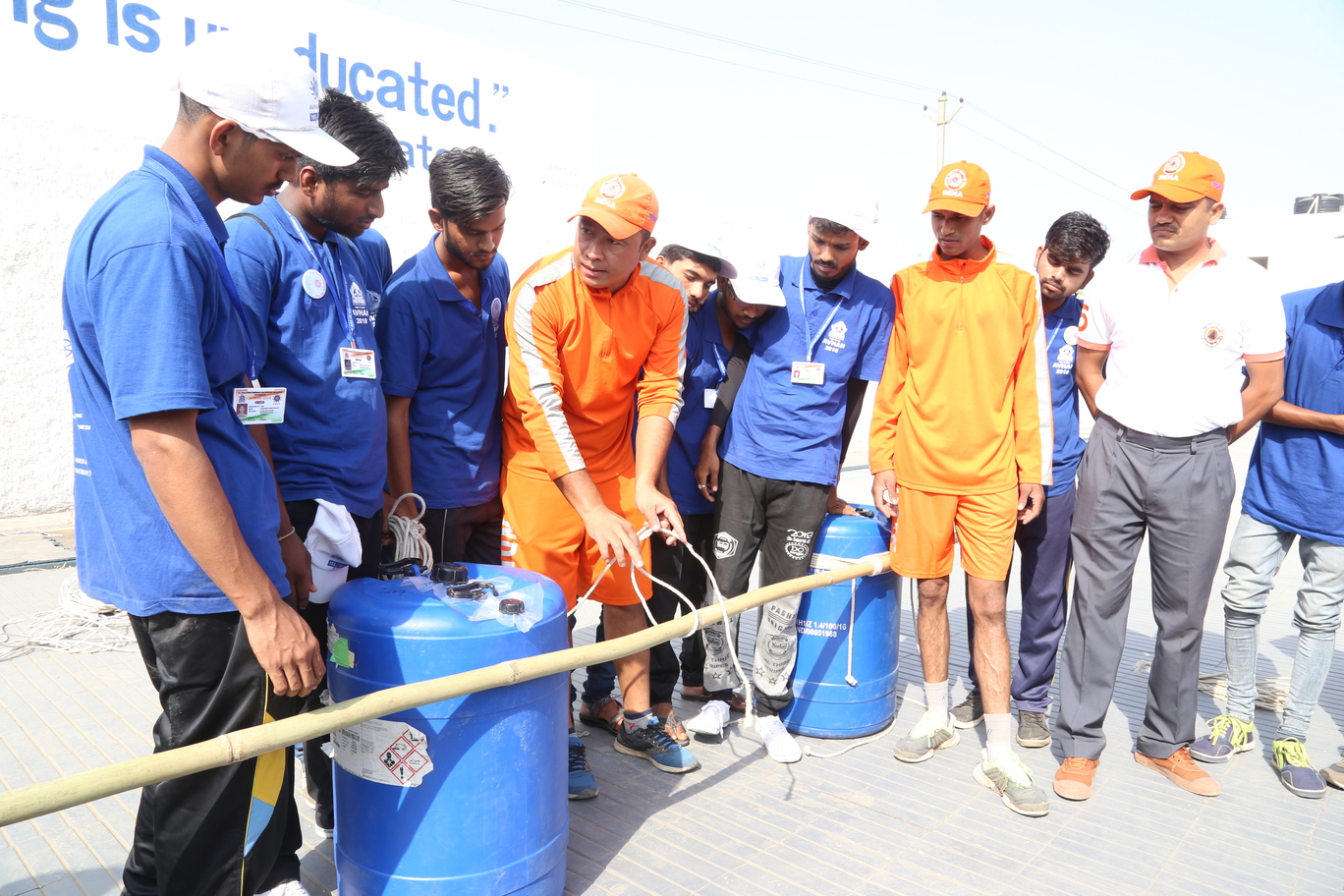
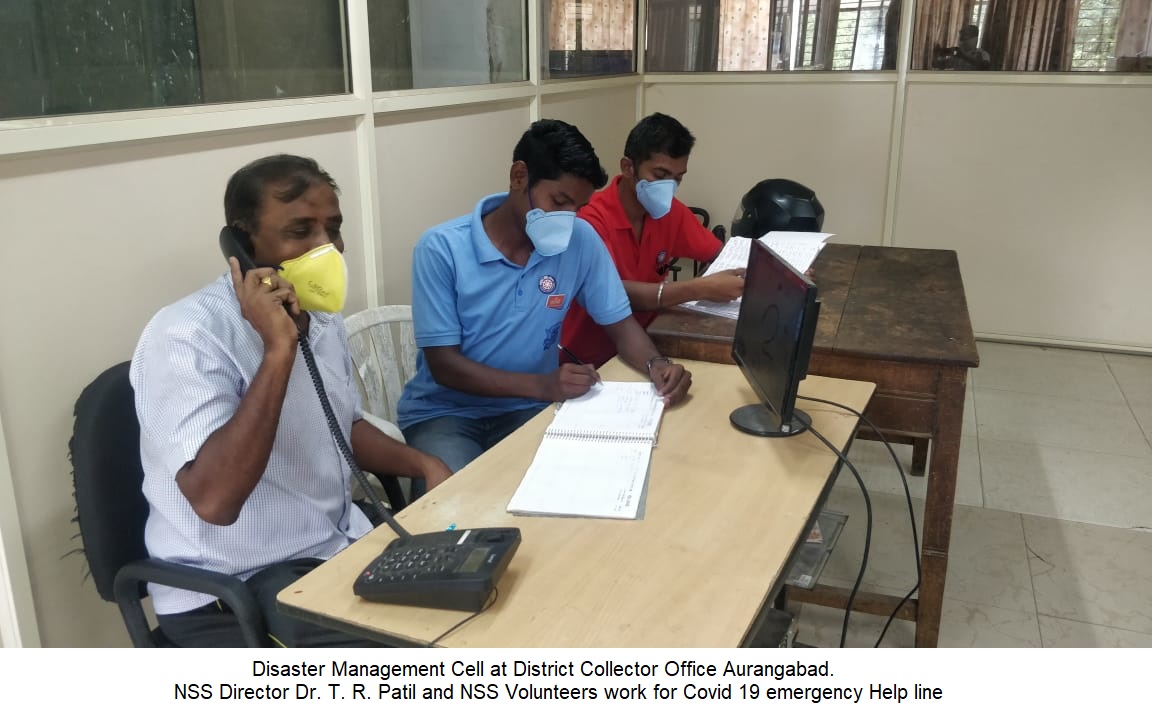
  • Disaster Management Training
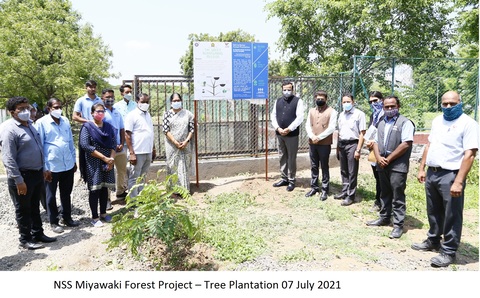
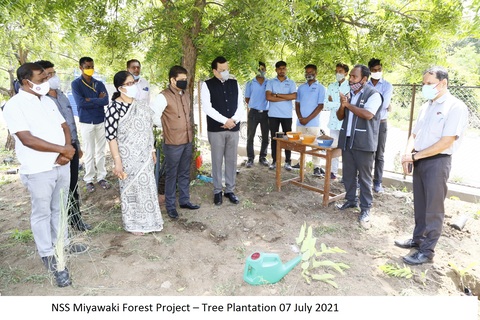
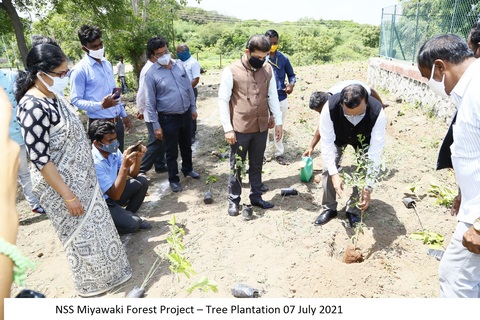
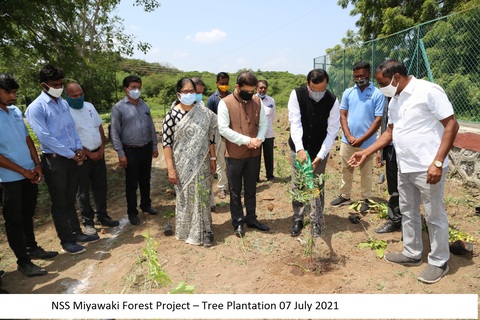
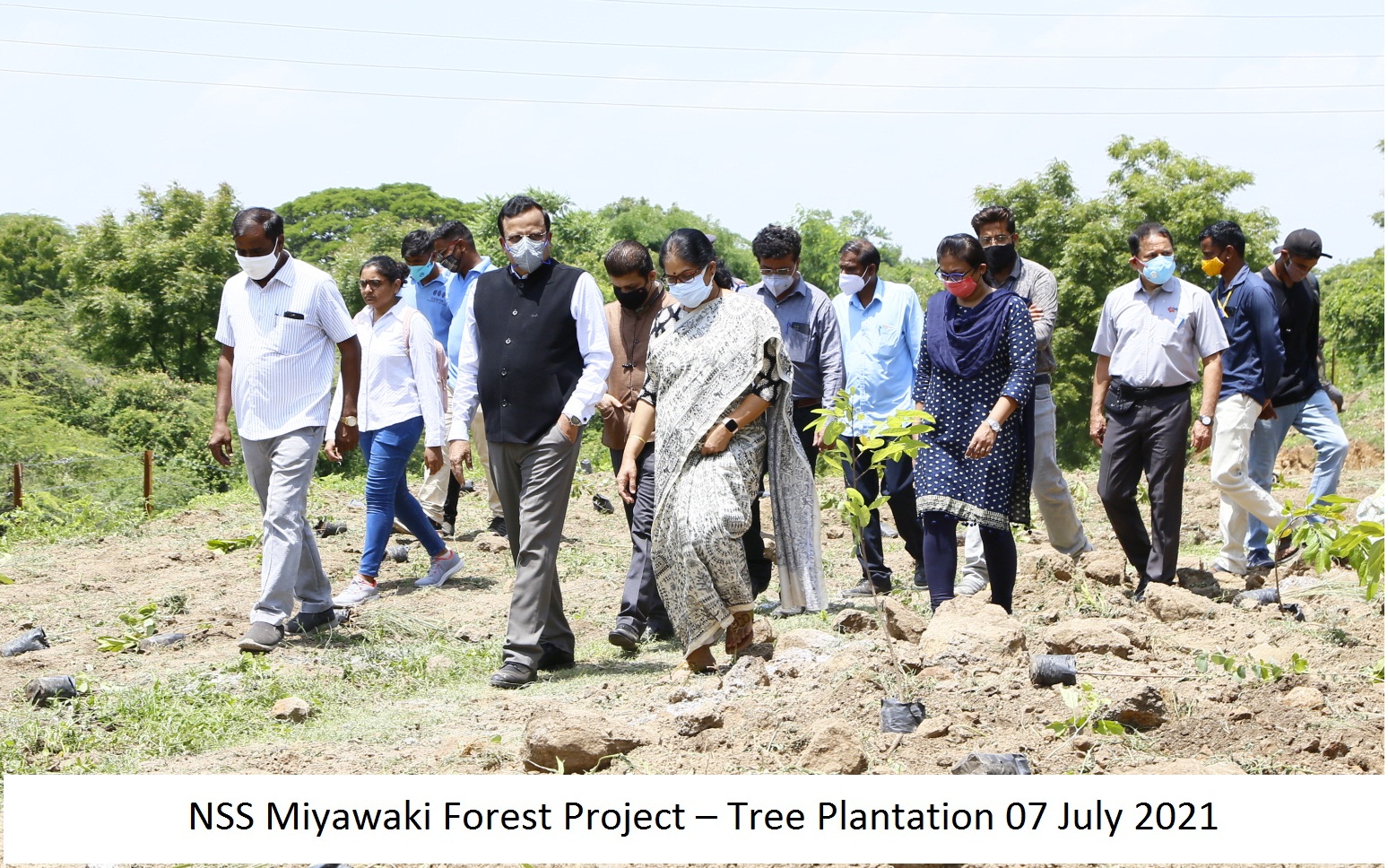
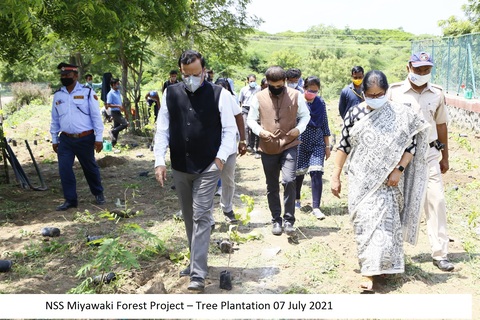
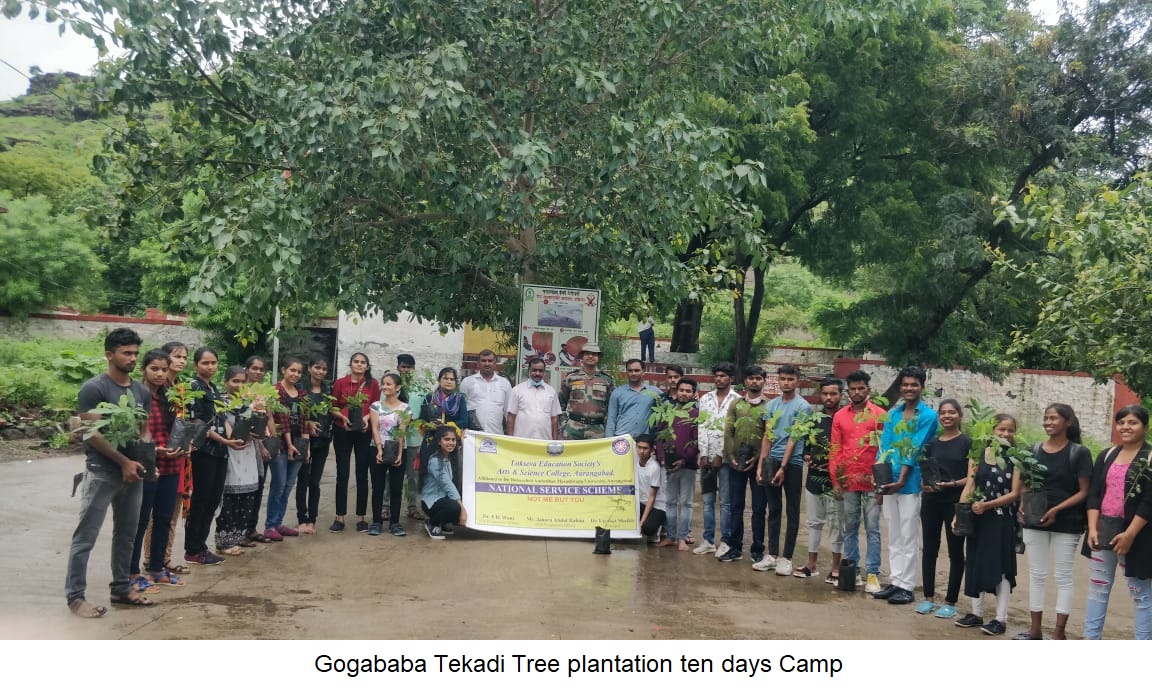
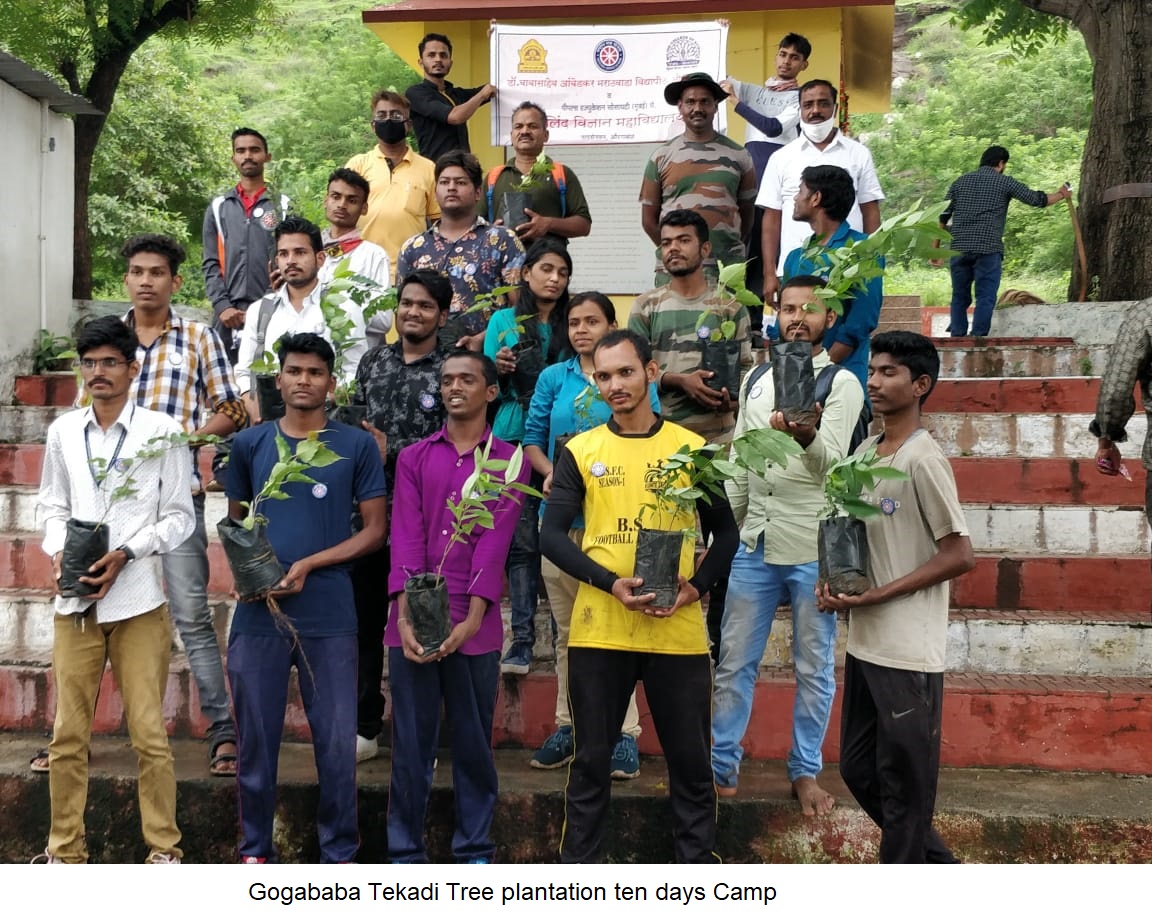
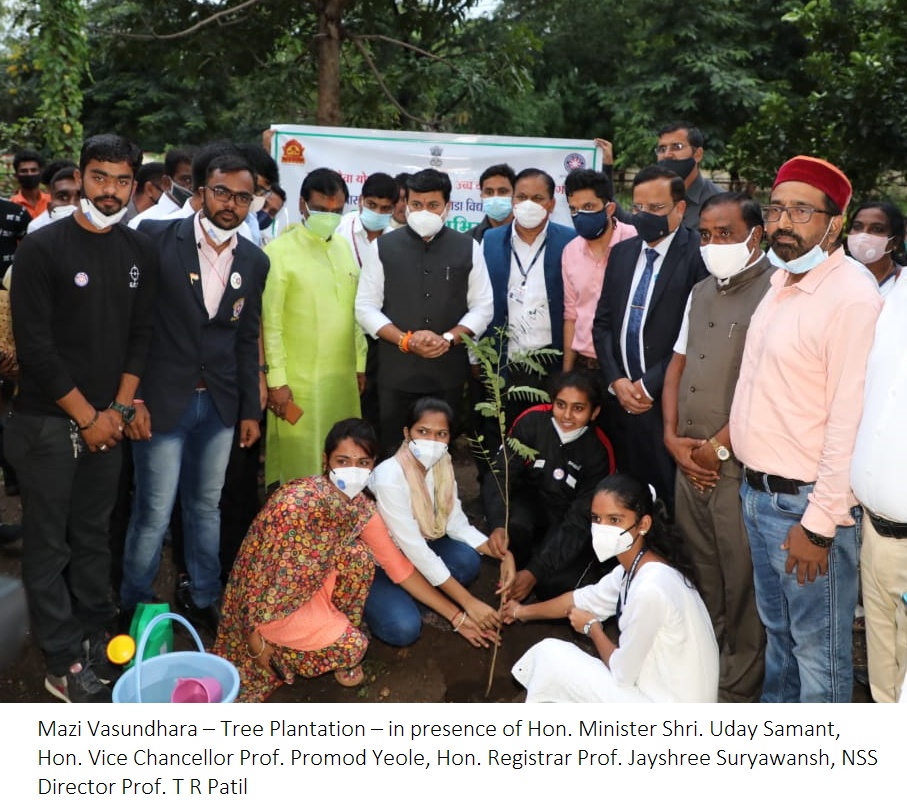
  • Tree Plantation
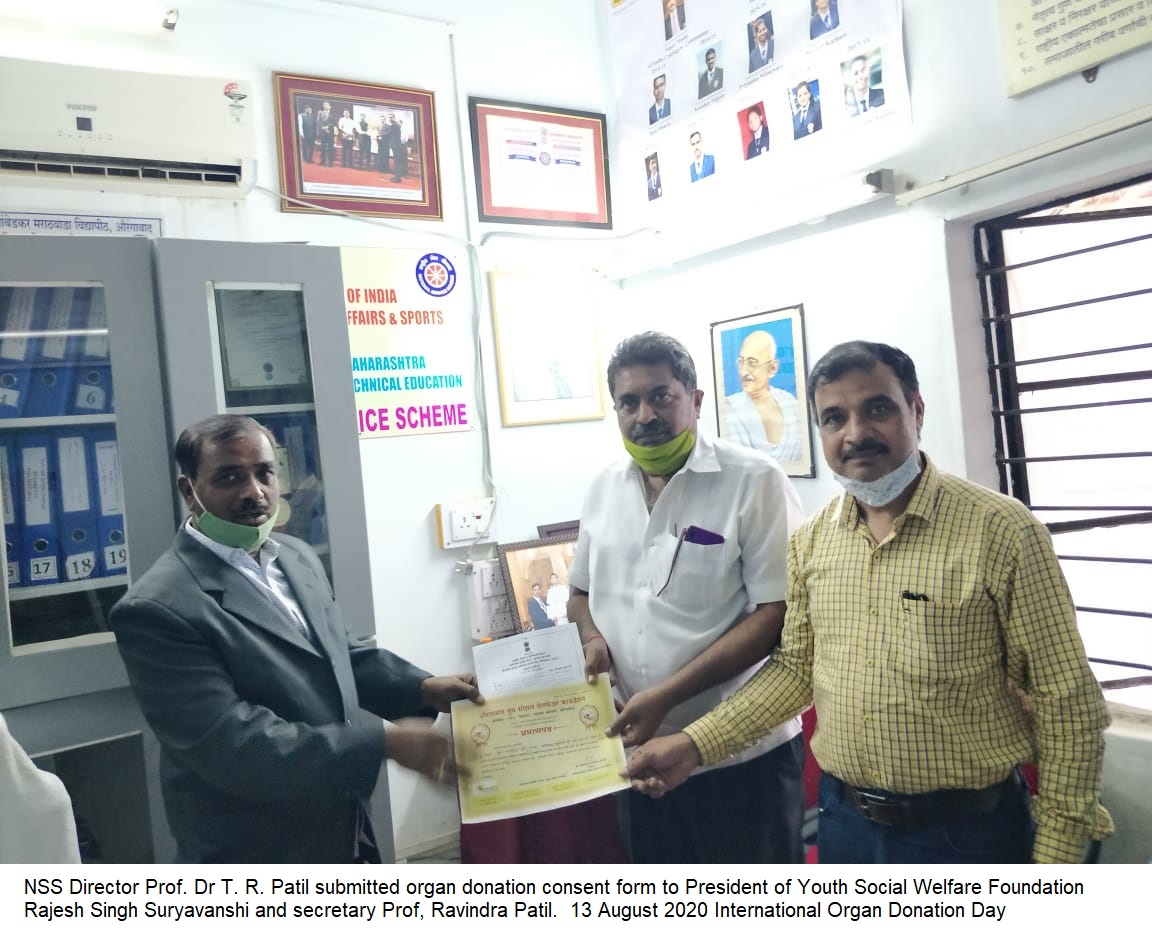
  • Blood Donation Camps
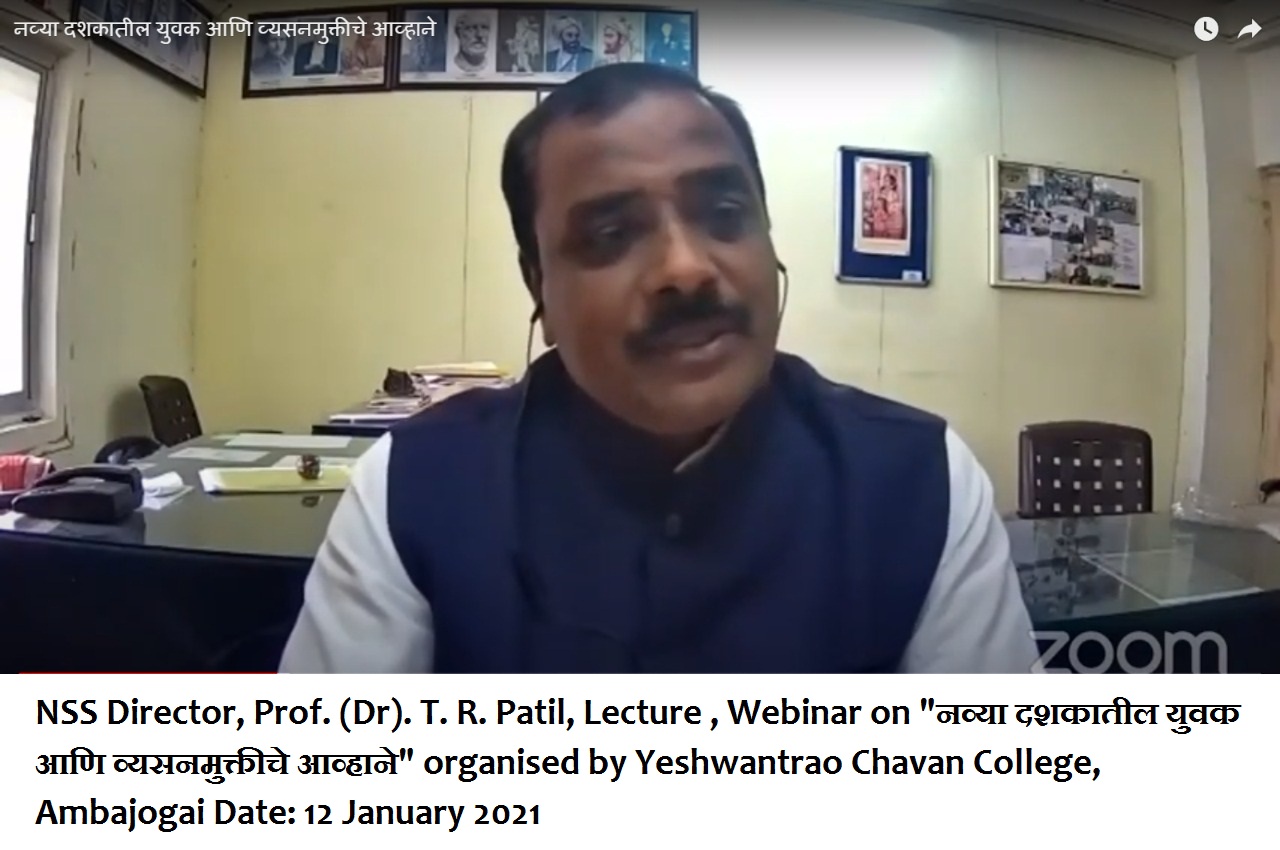
  • Seminars on Social Causes

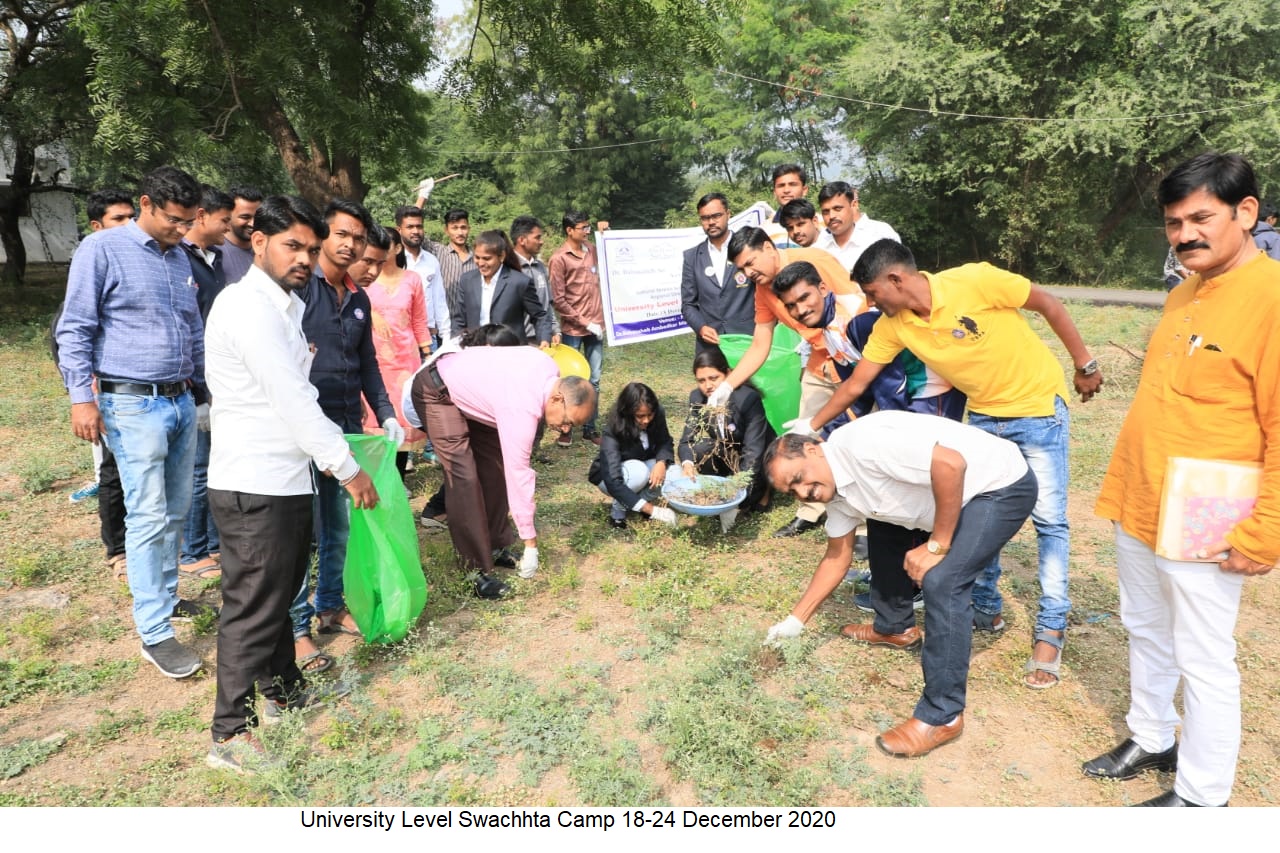
Special Camps are organised at respective colleges on behalf of NSS for the improvement of lifestyle of people.

  • Shramadaan
  • Bandhara Building
  • Tree Plantation Drive
  • Interaction and Awareness Campaign

Regular Activities Guidelines

NSS volunteers generally work with villages, slums and voluntary agencies to complete 120 hours of regular activities during an academic year. As per the fundamental principles of National Service Scheme, a volunteer is expected to remain in constant touch with the community. Hence, it is of vital importance that a particular village/slum is selected for implementation of NSS programmes. As the NSS volunte4er is to live with the members of the community and learn from their experience during his/her tenure in NSS, the village/slum should be carefully selected for adoption by NSS unit.

1. Adoption of Villages

1.1 Adoption of a village and area is a very meaningful programme in NSS. It is far better to concentrate attention on one village and take up the task for development perspective, than to fritter away energy in many locations involving too many activities which may not be completed at all or where the follow up action may not be possible. From this point of view, village adoption programme should ensure continuity of work vis-a-vis sustained action, evaluation and follow up work.

Contacting Village/Area Leaders

1.2 As a first step in this programme, it is necessary to establish contact with more than one village which would help to select a village where 'Leadership' is well established. In other words, selecting a village with proper leadership is very important as the sustained follow up action and evaluation is ensured in such places. To start with, the NSS unit can take the help of the Block Authorities, District Panchayat Officer, District Tribal Welfare Officer, District Medical Officer, Extension Officer of Agriculture, Irrigation and Education Departments for the selection of the village. It is to be noted that the selected villages should be within a short distance from the college so that constant contact can easily be made.

Survey of the Village/Area

1.3 Before drawing up the plan of action, it is absolutely necessary to conduct a comprehensive survey of few villages situated at a short distance from the college. The assistance from the teachers and students of agriculture, economics, commerce, geography, statistics, home science, social work, medicine, psychology and education etc. have to be sought for the purpose. Conducting socio-economic survey can be an interesting field activity which has direct bearing on the curriculum of economics, commerce, statistics, psychology, health education etc. The report of such a survey will provide up-to-date information about the problems and potentials of the village and help in programme planning for village development. The applied field work will help the students to increase their analytical ability and deepen their thinking. Further, this will help them to identify the problems which have been left unnoticed. The survey work can also be accomplished with the help of PRA exercises (Participatory Rural Appraisal)

Identification of Problem(s)

1.4 It is on the basis of this need assessment that projects/programmes are to be formulated. The programme officers should use their discretion and should identify the projects which can be completed by seeking assistance from the communities/other agencies.

1.5 As the aim of adoption of village or area is to give new ideas of development to the villagers which would improve their living conditions. Once the trust of the communities is won, they start cooperating with the NSS volunteers and approach them for solution of their problems. One of the important services that can be rendered by NSS volunteers is disseminating information about the latest developments in agriculture, watershed management, wastelands development, non-conventional energy, low cost housing, sanitation, nutrition and personal hygiene, schemes for skill development, income generation, government schemes, legal aid, consumer protection and allied field. A liaison between government and other development agencies like Banks, IRDP, ICDS, NREP, DWCRA, JRY etc. can also be made.

1.6 The Programme Officers (PO) should motivate the communities to involve themselves with NSS for the community development work undertaken by the NSS unit. Further he or she will have to seek the help of various government departments and agencies for technical advice and financial assistance. Therefore, he/she must establish lathes good rapport with the government officials and development agencies. For this, it is better if the administration is taken into confidence by prior consultations.

Completion of Projects

1.7 As already stated, the Programme Officer must select the projects very carefully as the image of NSS depends upon the successful completion of such projects. Successful completion of the projects can win appreciation and credit of the community'

Evaluation of Project

1.8 Every project should be evaluated after its completion by involving members of the community, Government officials and Panchayat officials. The NSS unit should learn from the lapses in the execution of the project and plan for the next project keeping in view the bottlenecks and constraints faced by them during the earlier project.

2. Adoption of Slums

Most of the colleges and universities are usually located in the urban areas. Due to long distance between the college campuses and the villages, the visits to the adopted villages by the NSS volunteers may become expensive and time consuming. In view of this, it is desirable to adopt slum especially by colleges located in urban areas.

Survey of the Slum

2.1 For adoption of a slum, there should be composite survey team consisting of students drawn from faculties like, Arts, Science, Engineering, Medicine, Home Science and Social Work etc. The selected areas should be compact and should be easily accessible for students. Areas with acute political conflicts may be avoided.

2.2 The issues pertaining to the identification of problems, project planning, interaction and coordination with the various departmental agencies, execution and completion of projects shall be undertaken on the same basis/lines as discussed earlier in the part 'Adoption of Villages'. The progress of projects should also be reviewed frequently.

Services in Slums

2.3 The slum, tenements, Jhuggis and Jhoupris can be adopted by the NSS units with the aim of slum improvement and check its spread. Under this, activities like providing water, water logging, sanitation, electricity, drainage, health and welfare services, life and living conditions, can be undertaken.

NSS volunteers for Slum Work

2.4 Taking into account the living conditions & status of slum dwellers of the slums, only highly motivated, adaptable, mature and skilled students should, be selected for slum development.

2.5 Following are the tasks which the students can undertake in slum areas:-
(a) As Community Investigators: They can prepare brief community profile on various slums in the city or town covering different amenities, services, and living conditions etc.
(b) As Community Workers: They can identify local leaders and in cooperation with them discuss local problems on which cooperative action can be initiated.
(c) As Programme Aides: Students can help the local communities' in launching a number of programmes like setting up a free milk distribution centre, sanitation drive, recreation, adult lad primary education, health projects like immunization. first aid centre, child care, nutrition classes, and free legal aid centres etc. They can also help in forming youth clubs, children's groups, mahila mandals etc.
(d) As Community Organizers: NSS students, after establishing rapport with the slum dwellers, can form community association to tackle local problems on a group basis with reliance on local resources, self help and mutual aid and with some minimum external assistance.

2.6 Some suggestions for Selection of slums

(i) There should be a socio-economic survey of the slum by a team of volunteers drawn from different faculties;
(ii) The selected area should be compact. There should not be more than 300 residents in an adopted slum;
(iii) The community people should be receptive to the ideas of improving their living standard. They should also be ready to coordinate and involve in the projects undertaken by the NSS for their upliftment;
(iv) The areas where political conflicts are likely to arise should be avoided by the NSS units;
(v) The area should be easily accessible to the NSS volunteers to undertake frequent visits to slums;
(vi) The working in the slum needs commitment and hard work. Only sensitive and highly motivated NSS volunteers can find easy to serve in slum areas.

3. Coordination with Voluntary Organizations

It may be noted that the NSS unit has no financial resource to implement any programme in the adopted villages or slum on its own. Therefore, a successful unit has to closely coordinate with the government agencies and voluntary organisations working in this field.

3.1After identification of the needs of the community and the selection of projects, the programme officer should look for the Government agency or a voluntary organisation who can assist in the completion of a particular project. The different departments of the Government like forest, agriculture, adult education, health, child and family welfare, can render very useful assistance to the project pertaining to community work. Voluntary organisations can also help in forming public opinion in favour of NSS projects. Adult education samitis, Nasha Bandi Boards, Yuva Mandals and Manila Mandals can provide additional assistance to the NSs units. Similarly voluntary land statutory welfare agencies such as Community Centres, Residential Institutions for children/women, the Aged and Institutions for physically handicapped and disabled can provide a wide scope of the choice of service to the NSS volunteers. NSS volunteers can be placed with these agencies considering the inherent aptitudes and inclinations of NSS volunteers. NSS volunteers must be told to develop a sense of belonging and respect for the people with whom they are working. Working in close collaboration with these agencies will help the NSS volunteers in understanding the problems of a vulnerable section of the society. The work opportunities in the welfare institutions may be enumerated as under-

(i) adoption of welfare institutions and helping the inmates and staff by arranging outings, fund collection drives, reading and writing letters for those who are unable to do so;
(ii) propagation of the message of small family norms, health education, small savings drives etc;
(iii) working for improvement of physical environment;
(iv) programme of non-formal education and general literacy classes;
(v) organisation of economic development activities;
(vi) establishment of hobby centres and
(vii) assisting in the rehabilitation work of the disabled, destitute etc.
In addition, NSS units and welfare agencies can take up joint community development projects and other programmes of community welfare land awareness depending on the local needs.

3.2 The NSS Programme Officers should plan activities in the adopted village or slum in such a way that the leisure time of the NSS volunteers can be utilized in the service of adopted village or slum. Week-end visits to the adopted areas provide suitable opportunities to live with the community and know their problems and make an earnest effort to do something for them. Similarly efforts should be made to follow up the work done in the areas earlier. Such sustained efforts will flower into friendship between the NSS unit and the community. These activities can be arranged through one day camps and frequent visits under regular activities.

Special Camping Guidelines

Special Camping forms an integral part of National Service Scheme. It has special appeal to the youth as it provides unique opportunities to the students for group living, collective experience sharing and constant interaction with community.

1. Special campings are organised generally on various developmental issues of national importance. In the past the themes of the Special Camping Programmes have been 'Youth Against Famine', 'Youth Against Dirt and Disease', 'Youth for Rural Reconstruction', 'Youth for Eco-Development' and 'Youth for Mass Literacy', 'Youth for National Integration & Social Harmony'. The current theme of Special Camp is 'Youth for Sustainable Development with special focus on Watershed Management and Wasteland Development. Every year 50 percent of the volunteers of each NSS unit are expected to participate in special camps which is of seven days duration.

Contributions of Special Camping Programme

1.1  Concerted efforts have to be made for a number of years for reconstruction activities in rural areas and urban slums for improving the living conditions of economically and socially weaker sections of the community. For this, the universities colleges land +2 institutions having NSS have a special role to play in collaboration with other Departments and local authorities engaged in Development work. They should adopt a village or group of villages/urban slums for intensive social development, where special camps are organised by them year after year to create tangible and durable community assets.
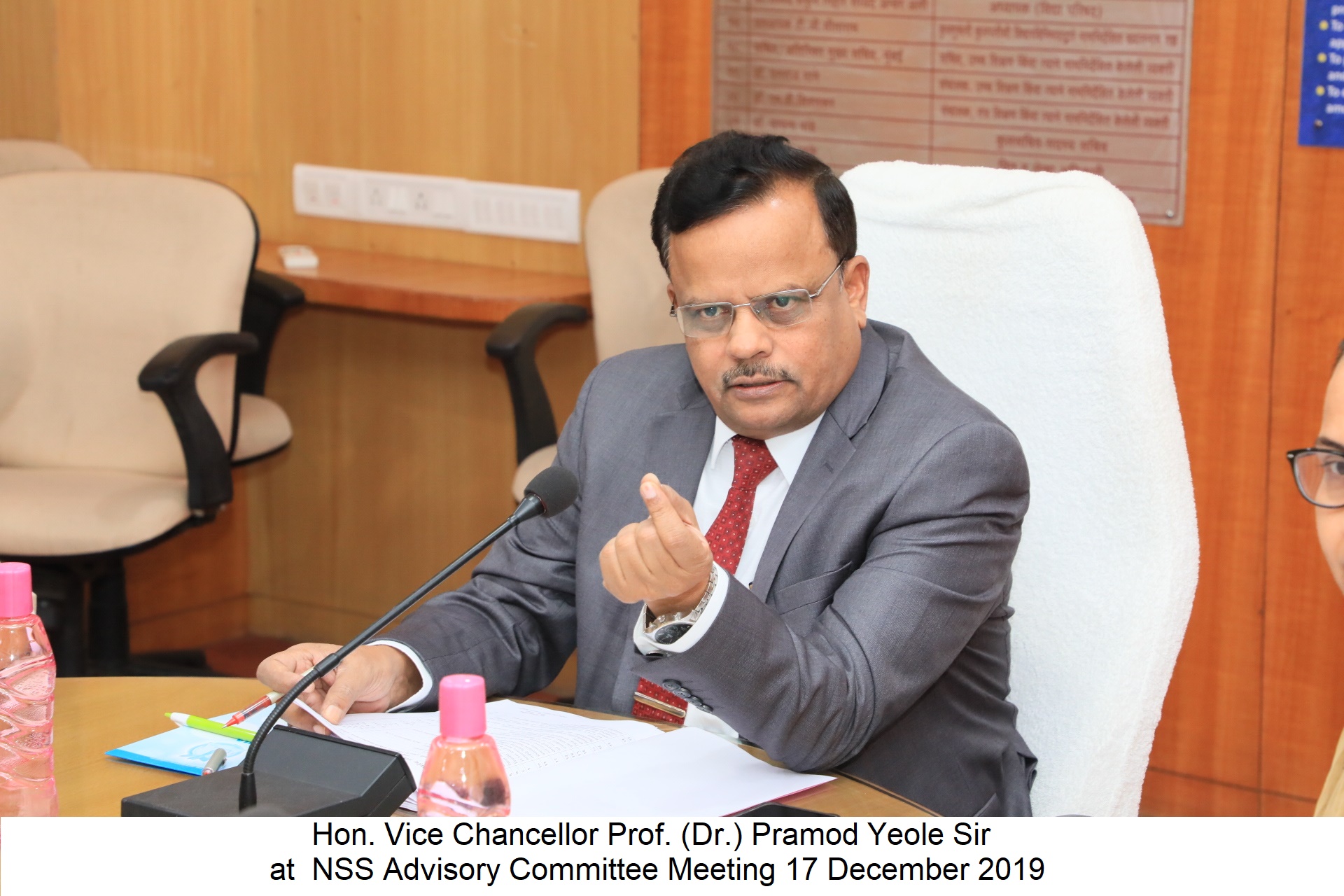
Objectives of the Special Camping programme

1.2   The primary objectives of the special camping programmes are:-

(i) Making education more relevant to the present situation to meet the felt needs of the communities and supplement the education of university/college/school students by bringing them face to face with the community situation.
(ii) To provide opportunities to students to play their due roles in the implementation of various development "programmes by planning and executing development projects, which not only help in creating durable community assets in rural areas and slums but also result in improvement of the condition of weaker sections of the communities.
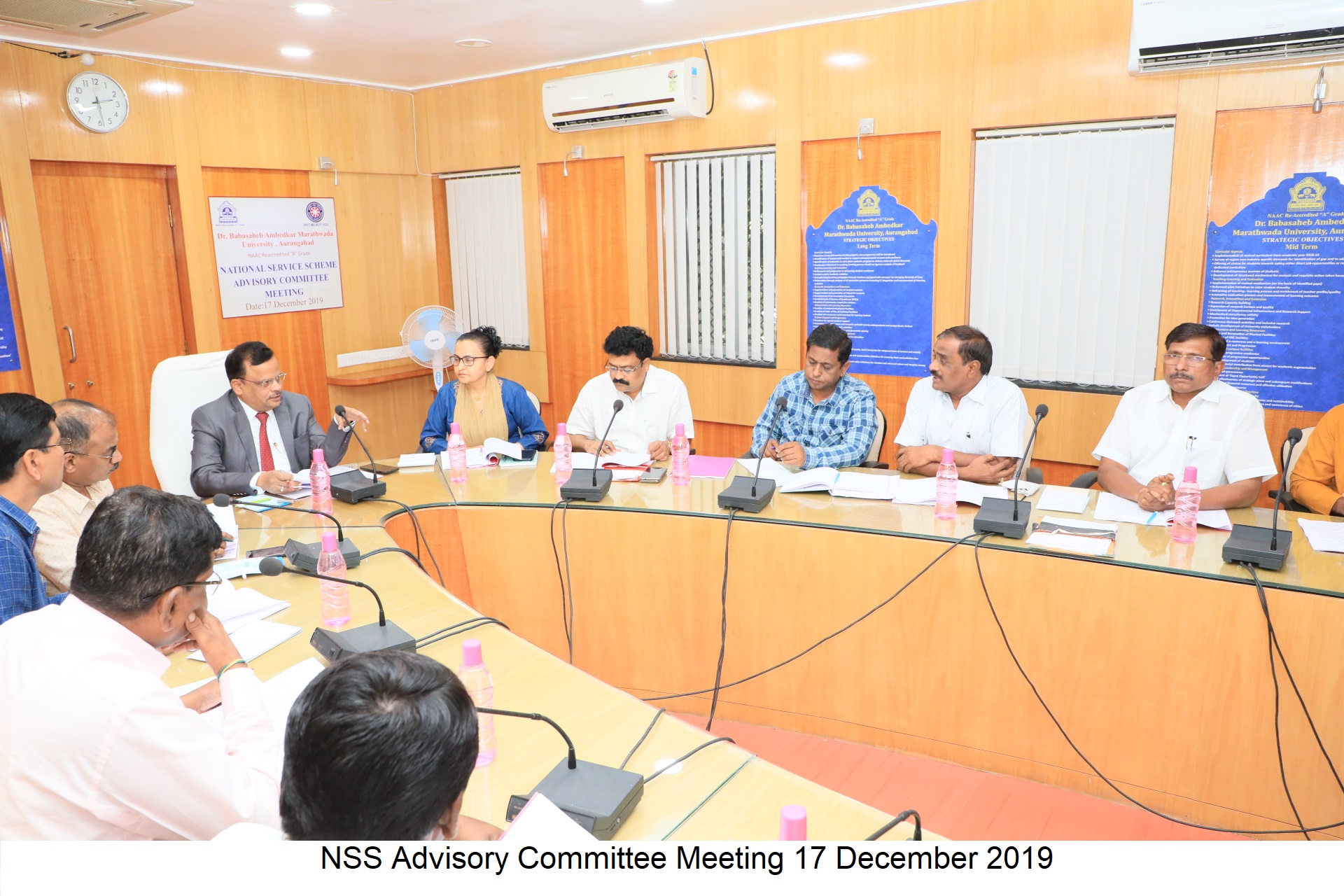
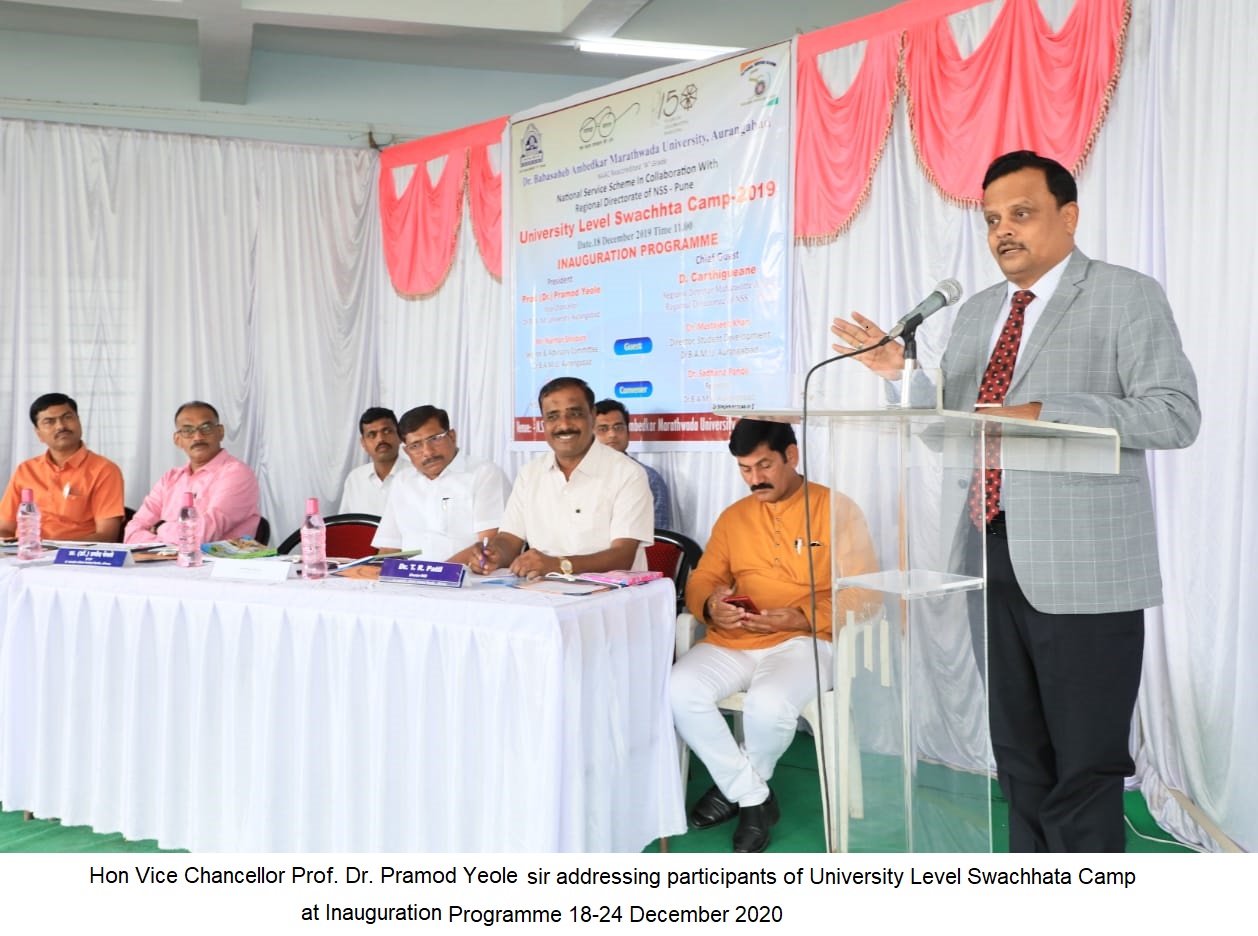
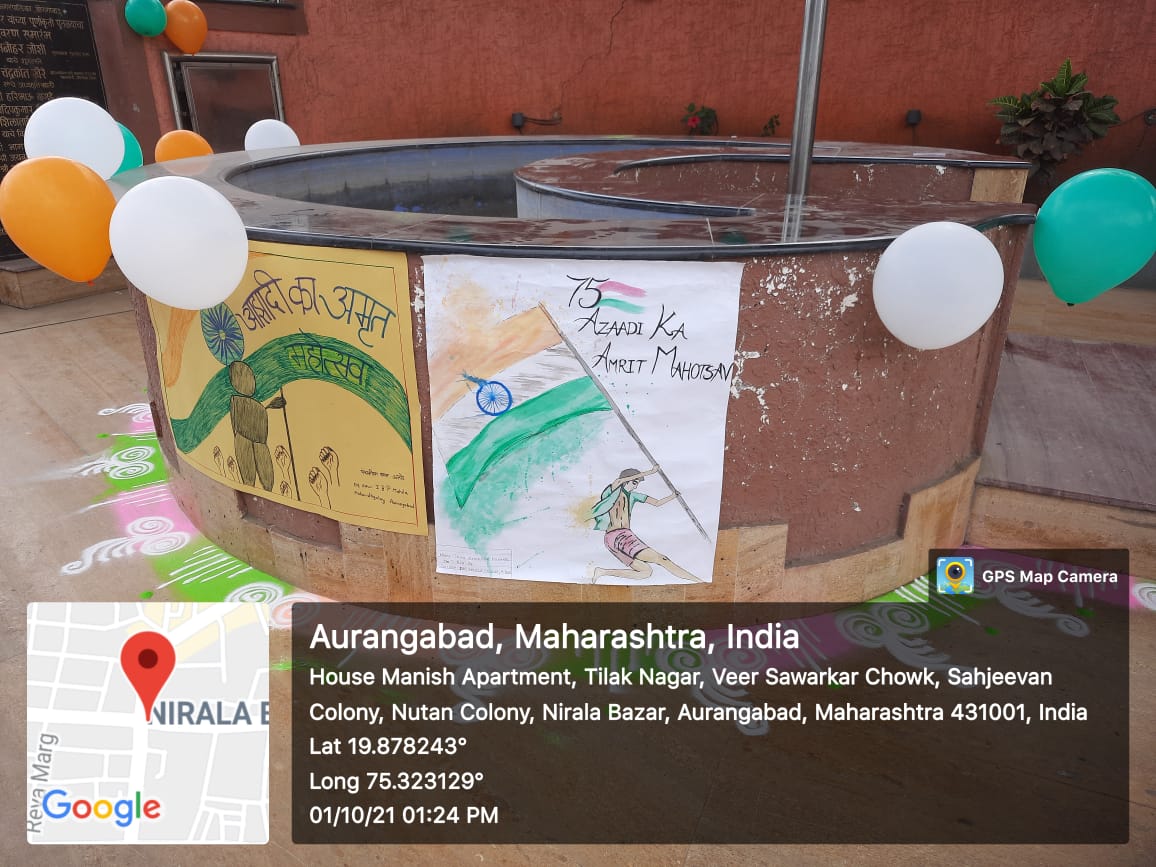
(iii) Encouraging the students and non-students youth to work along with the adults in rural areas, thereby developing their character, social consciousness and commitment, discipline ad healthy and helpful attitudes towards the community:
(iv) Building up potential youth leaders by exploring the latent potential among the campers, both students as well as local youth (rural and urban), with a view to involve them more intimately in development projects for longer periods. The local leadership generated during the camps would also be useful in ensuring proper maintenance of the assets created as a result of the camps.
(v) Emphasizing the dignity of labour and self-help and the need for combining physical work with intellectual pursuits, and
(vi) Encouraging youth to participate enthusiastically in the process of national development, and promote national integration through democratic living and cooperative action.

Suggestive list of activities during Regular as well as Special Camping

1.3 The aim of the Regular and special Camping Programme is to bring youth face to face with the community and make efforts to improve their life. The NSS volunteers are to devote about 80 hours in Regular Activities for the development of the adopted village. Special Camping has been conceived as an opportunity to live with that community for 7 days, and experience the conditions and problems of the people. The NSS volunteers need to be inspired to take initiatives for the improvement of their condition. Although the focus of the Special Camps change periodically and regular programmes are organized in response to the community needs at the micro-level, some broad areas of activities are enumerated below:-

(a)     Environment Enrichment and Conservation:     Whereas the main theme for the special camping programme would be "Youth for Sustainable Development", activities aimed at environment - enrichment would be organized under the sub-theme of" Youth for Better Environment". The activities under this sub-theme would inter-alia, include:
(i) Plantation of trees, their preservation and upkeep (each NSS unit should plant and protect at least 1000 saplings);
(ii) Creation of NSS parks/gardens, Tarun Treveni Vanas.
(iii) Construction & maintenance of village streets, drains, etc. so as to keep the environment clean;
(iv) Construction of sanitary latrines etc.
(v) Cleaning of village ponds and wells;
(vi) Popularization and construction of Gobar Gas Plants, use of non-conventional energy;
(vii) Environmental sanitation and disposal of garbage & composting;
(viii) Prevention of soil erosion, and work for soil conservation,
(ix) Watershed management and wasteland development
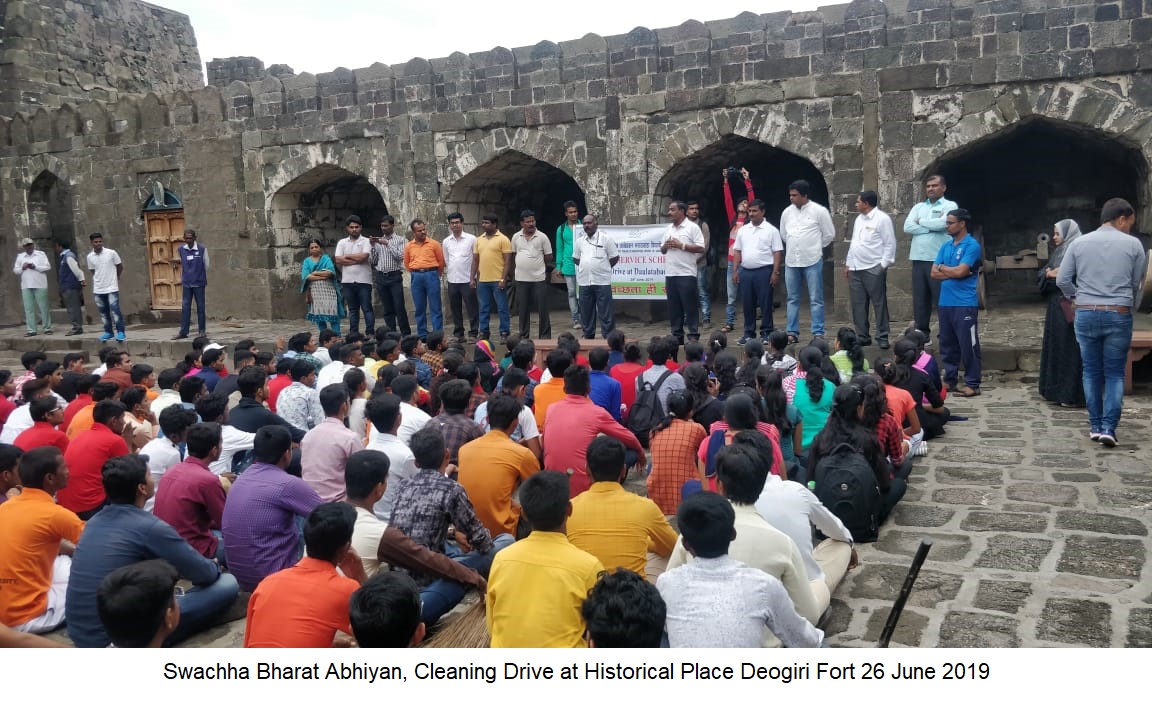
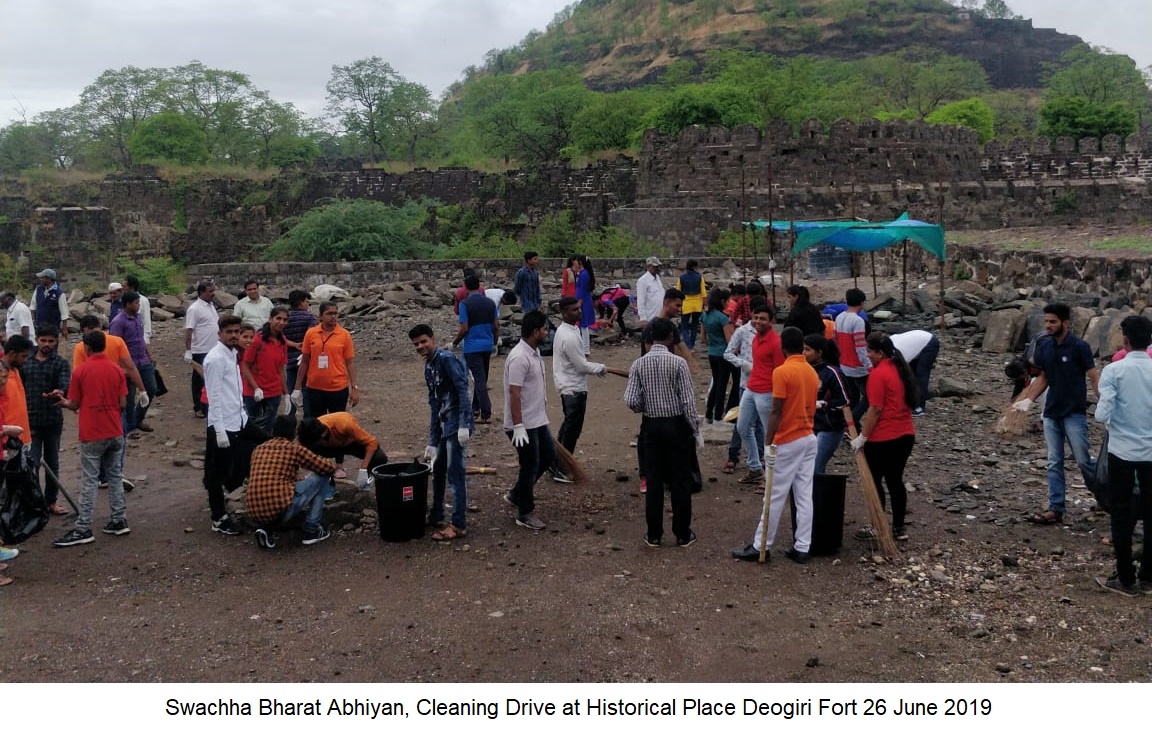
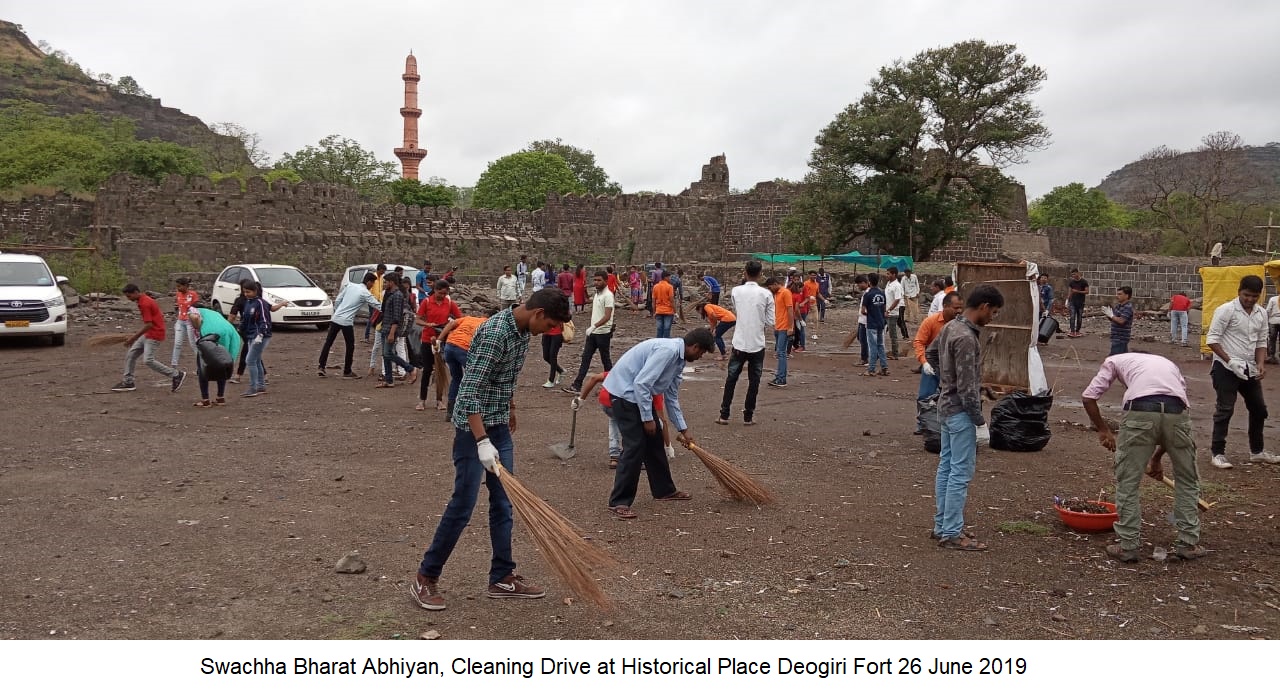
(x) Preservation and upkeep of monuments, and creation of consciousness about the preservation of cultural heritage among the community.

(b)     Health, Family Welfare and Nutrition Programme:
(i) Programme of mass immunization;
(ii) Working with people in nutrition programmes with the help of Home Science and medical college students;
(iii) Provision of safe and clean drinking water;
(iv) Integrated child development programmes;
(v) Health education, AIDS Awareness and preliminary health care.
(vi)Population education and family welfare programme;
(vii)  Life style education centres and counseling centres.

(c)    Programmes aimed at creating an awareness for improvement of the status of women:
They may, inter-alia, include:
(i) programmes of educating people and making them aware of women's rights both constitutional and legal;
(ii) creating consciousness among women that they too contributed to economic and social well-being of the community;
(iii) creating awareness among women that there is no occupation or vocation which is not open to them provided they acquire the requisite skills; and
(iv) imparting training to women in sewing, embroidery, knitting and other skills wherever possible.

(d)        Social Service Programmes:
Depending on the local needs and priorities, the following activities/programmes may be undertaken:-

(i) work in hospitals, for example, serving as ward visitors to cheer the patients, help the patients, arranging occupational or hobby activities for long term patients, guidance service for out-door-patients including guiding visitors about hospital's procedures, letter writing and reading for the patients admitted in the hospital; follow up of patients discharged from the hospital by making home visits and places of work, assistance in running dispensaries etc.
(ii) work with the organisations of child welfare;
(iii) work in institutions meant for physically and mentally handicapped;
(iv) organising blood donation, eye pledge programmes;
(v) work in Cheshire homes, orphanages, homes for the aged etc.;
(vi) work in welfare organisations of women;
(vii) prevention of slums through social education and community action;


(e)        Production Oriented Programmes:                     
(i) working with people and explaining and teaching improved agricultural practices;
(ii) rodent control land pest control practices;
(iii) weed control;
(iv) soil-testing, soil health care and soil conservation;
(v) assistance in repair of agriculture machinery;
(vi) work for the promotion and strengthening of cooperative societies in villages;
(vii) assistance and guidance in poultry farming, animal husbandry, care of animal health etc.;
(viii) popularization of small savings and
(ix) assistance in procuring bank loans

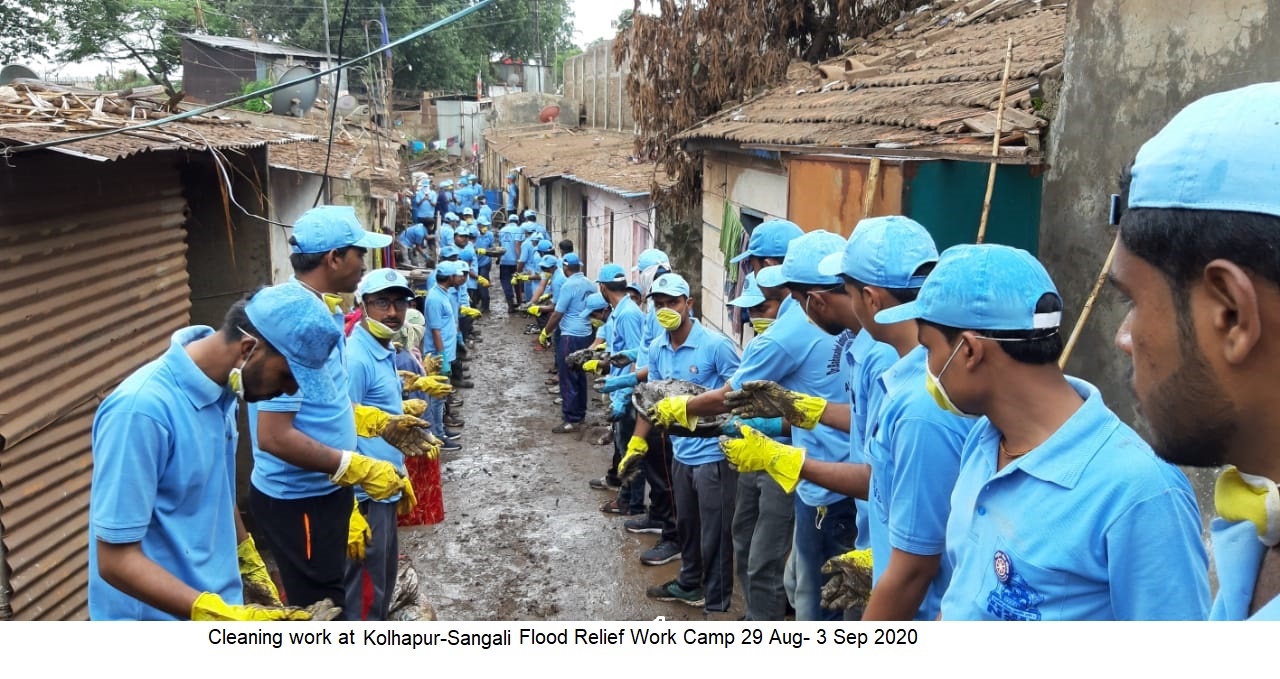
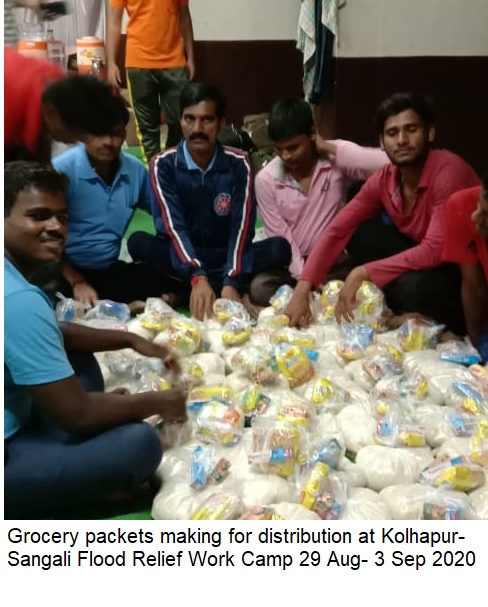
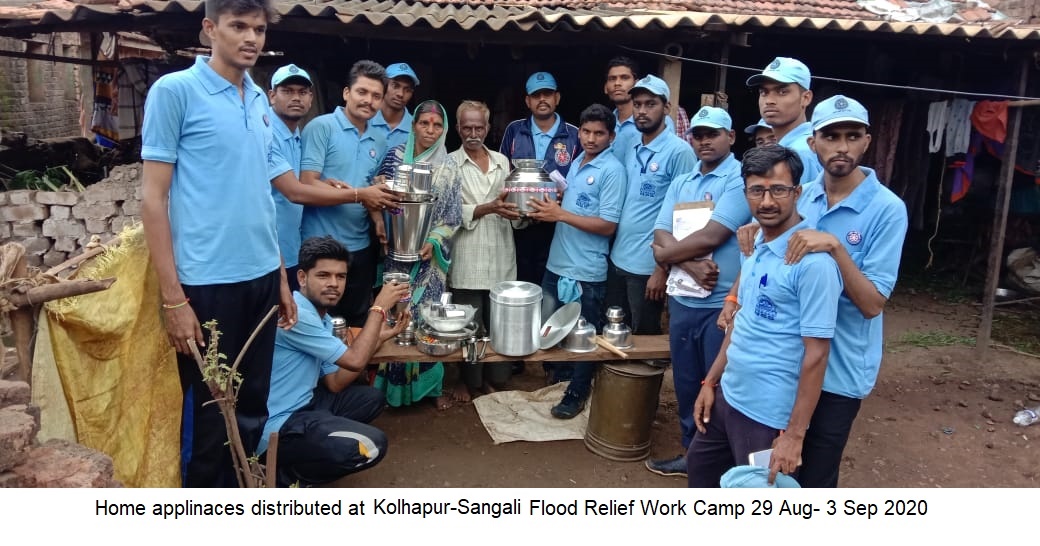
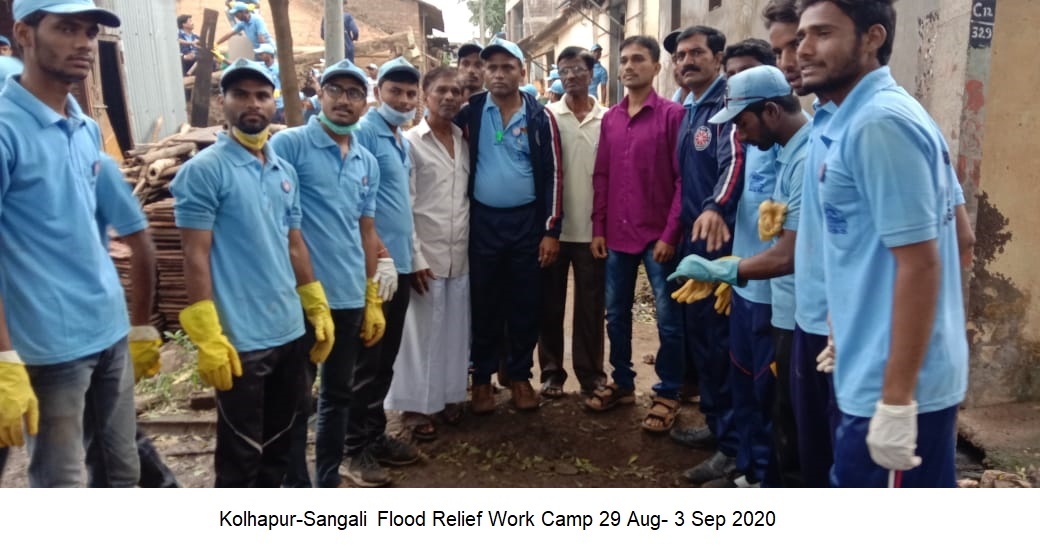
(f)      Relief & Rehabilitation work during Natural Calamities:

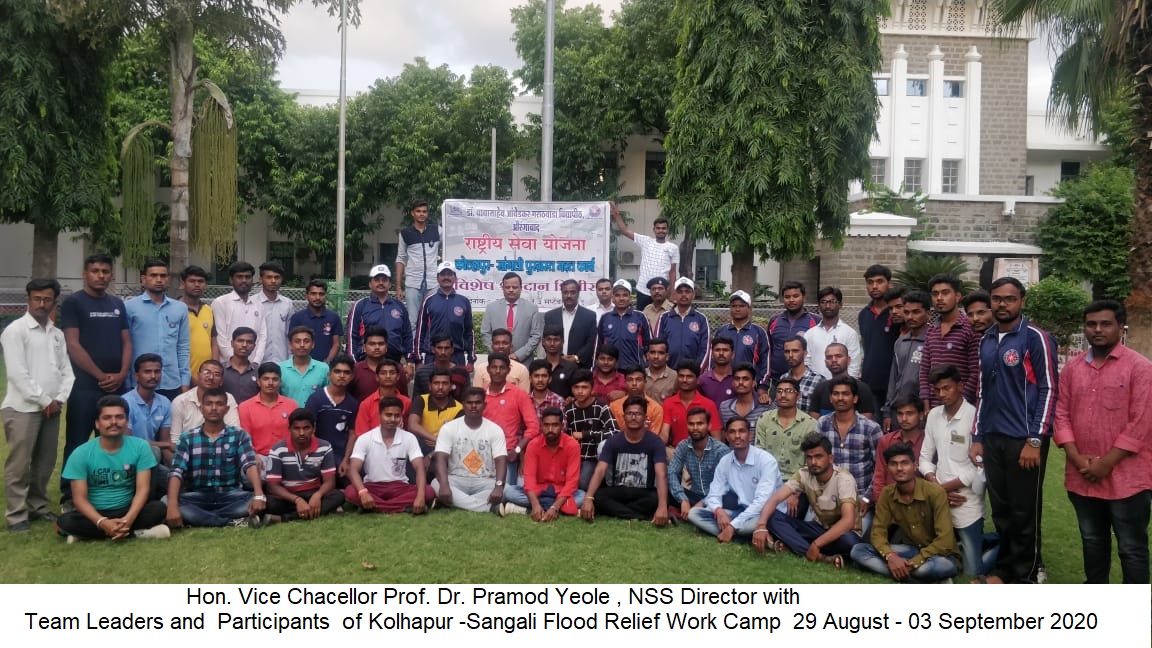
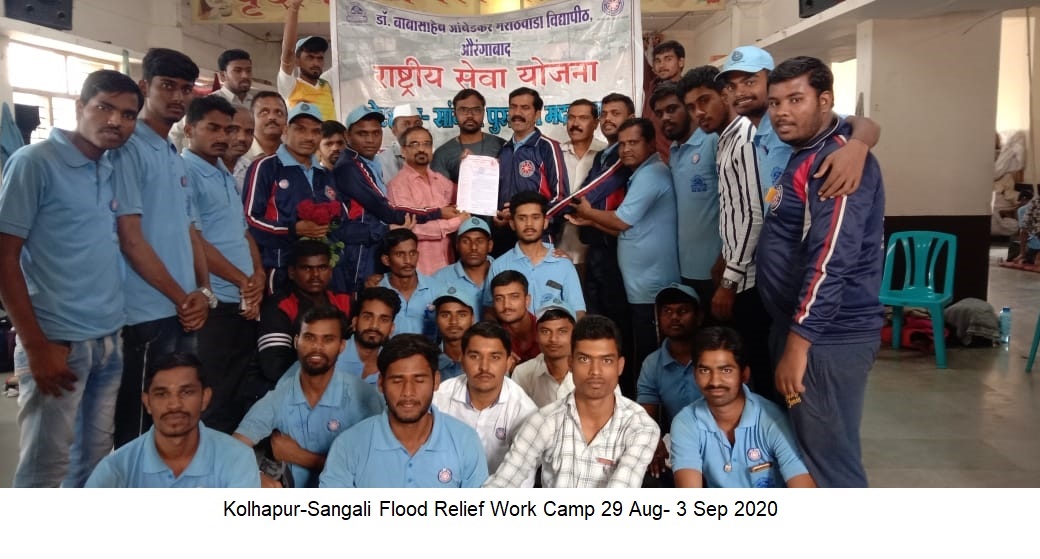
These programme would enable the students to understand and share the agonies of the people affected in the wake of natural calamities like cyclone, flood, earthquakes, etc. The main emphasis should be on their participation in programmes, and working with the people to overcome their handicaps, and assisting the local authorities in relief and rehabilitation work in the wake of natural calamities. The NSS students can be involved in:-

(i) assisting the authorities in distribution of rations, medicine, clothes etc.;
(ii) assisting the health authorities in inoculation and immunization, supply of medicine etc.;
(iii) working with the local people in reconstruction of their huts, cleaning of wells, building roads etc.;
(iv) assisting and working with local authorities in relief and rescue operation;
(v) collection of clothes and other materials, and sending the same to the affected areas;

(g)     Education and Recreations:
Activities in this field could include:

(i) adult education (short-duration programmes);
(ii) pre-school education programmes;
(iii) programmes of continuing education of school drop outs, remedial coaching of students from weaker sections;
(iv) work in creches ;
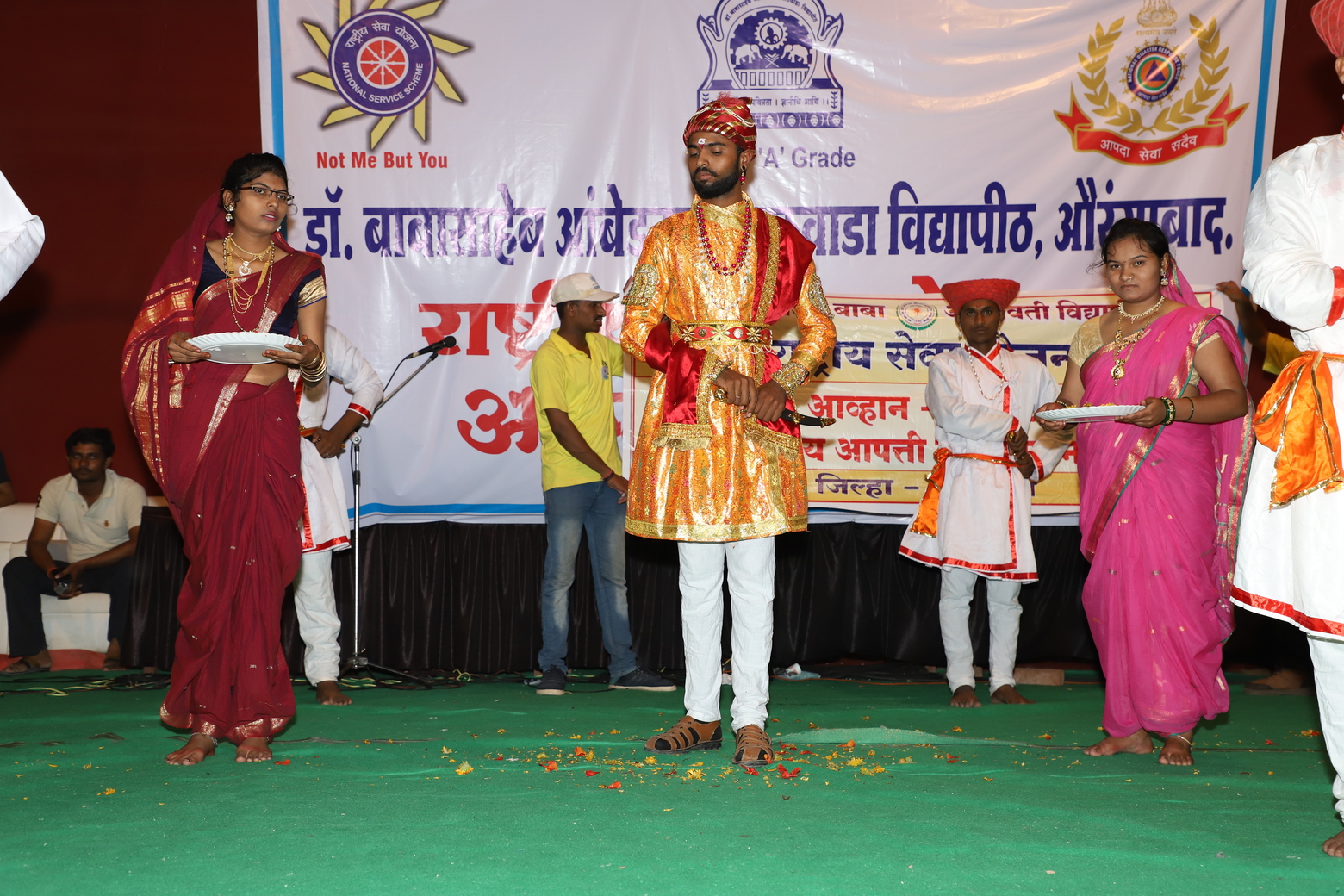
(v) participatory cultural and recreation programmes for the community including the use of mass media for instruction and recreation, programmes of community singing, dancing etc.;
(vi) organisation of youth clubs, rural land indigenous sports in collaboration with Nehru Yuva Kendras;
(vii) programmes including discussions on eradications of social evils like communalism, castism, regionalism, untouchability, drug abuse etc.;
(viii) non-formal education for/ural youth and
(ix) legal literacy, consumer awareness.        

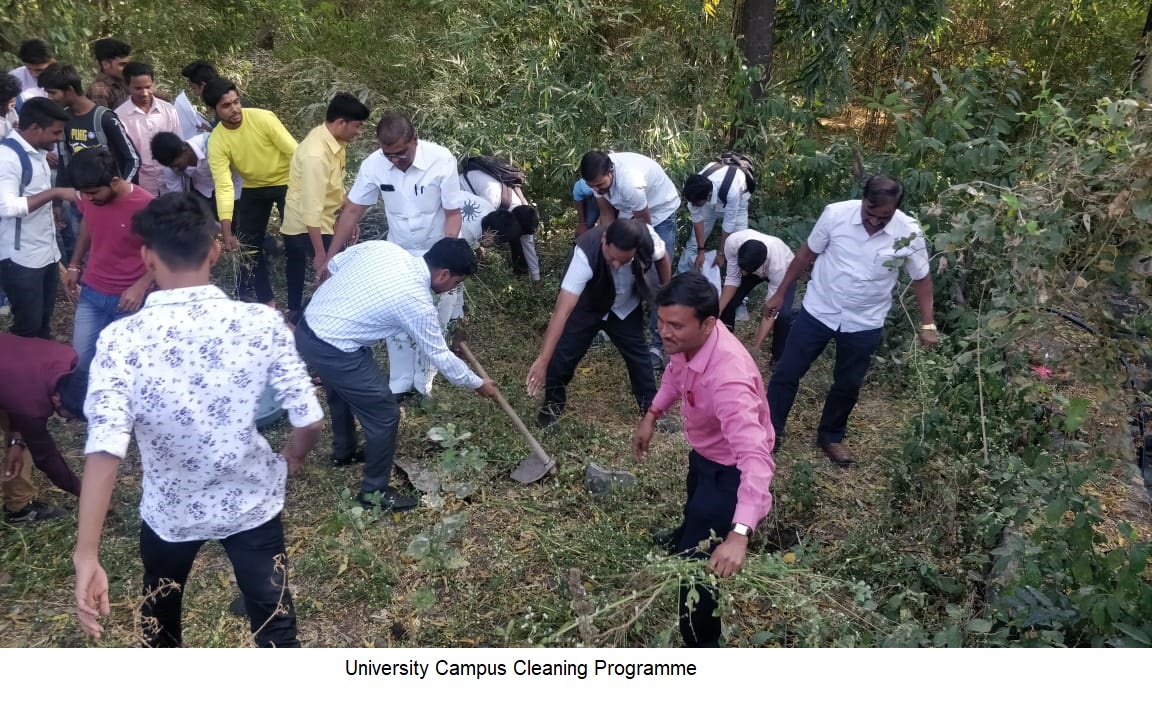
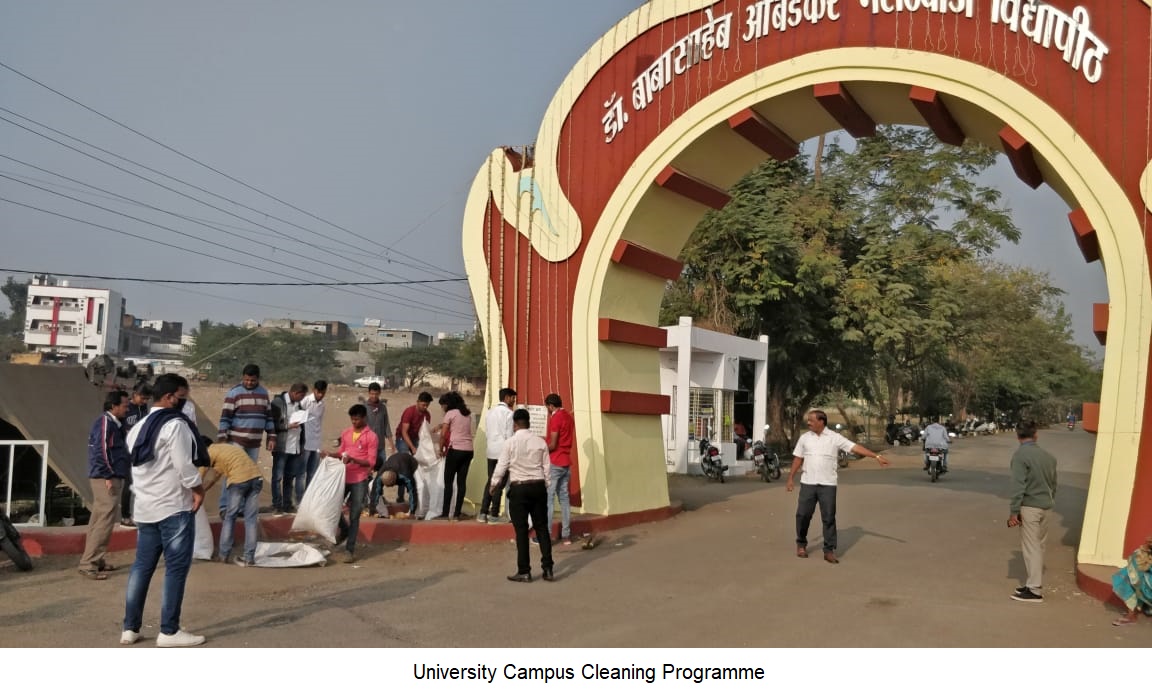
1.4       The above is only an illustrative list of the type of activities that can be undertaken, Under the programme it would be open to each NSS Unit to undertake one of these programmes or any other activity which may seem desirable to them according to local needs, The NSS Unit should aim at the integrated development of the area selected for its operation which could be a village or a slum. It has also to be ensured that at least a part of the programme does involve manual work.

Observation of Important Days

National days and Celebrations Days
1. National Youth Day 12th January
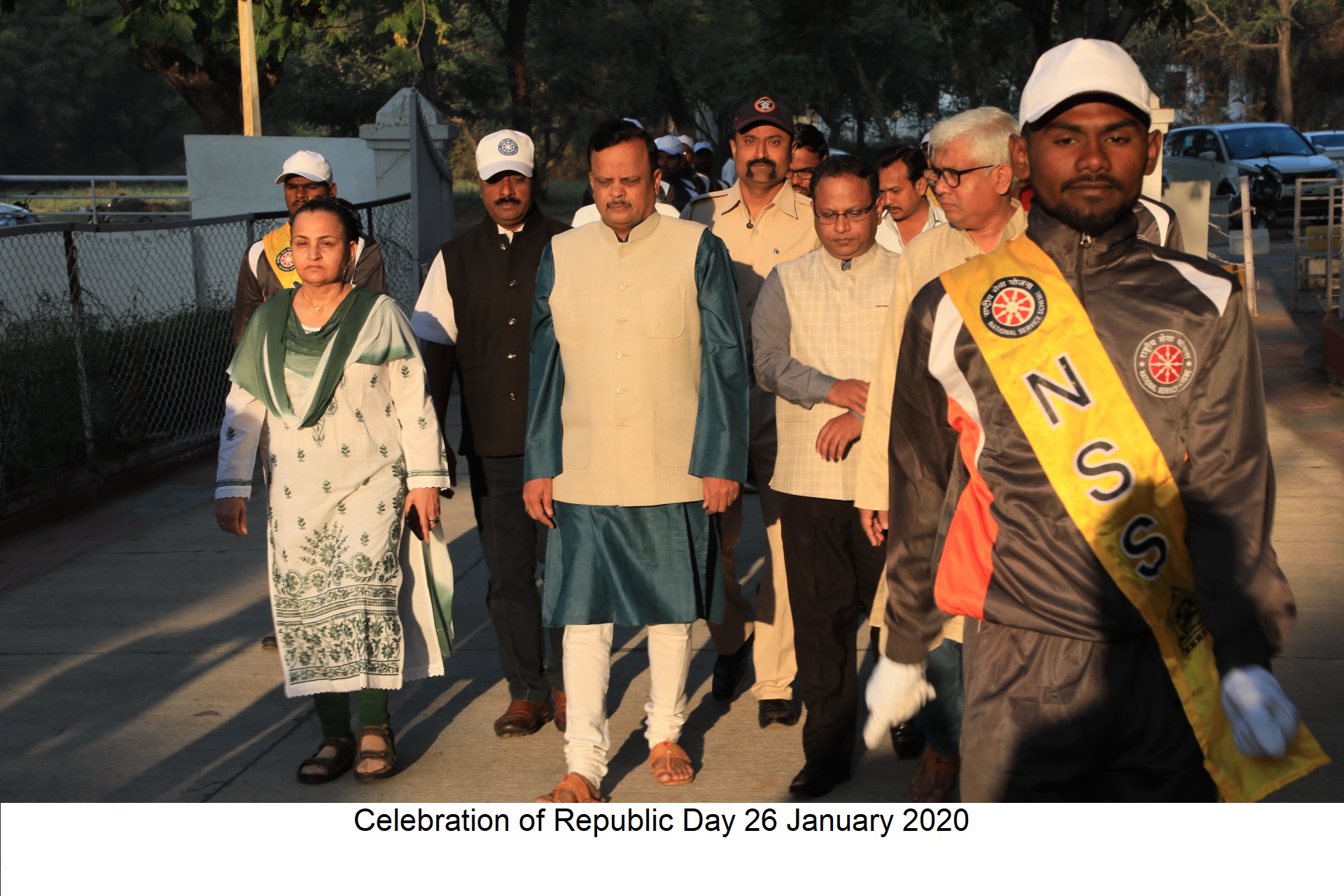
2. Republic Day 26th January
3. Martyr’s Day 30th January
4. International Women’s Day 8th March
5. World Health Day 7th April
6. Anti-Terrorism Day 21st May
7. World No Tobacco Day 31st May
8. World Environment Day 1st July
9. World Population Day 1st July
10. Independence Day 15th August
11. Sadhbhavana Day 20th August
12. International Literacy Day 8th September
13. International Peace Day 15th September
14. NSS Day 24th September
15. National Blood Donation Day 1st October
16. World Non-violence Day 2nd October
17. National Integration Day 19th November
18. World AIDS Day 1st December
19. World Human Rights Day 10th December
Important Weeks
1. National Youth Week 12 – 19 January
2. Van Mahotsava Week 1 – 7 July
3. International Literacy Week 8 – 14 July
4. Quami Ekta Week 19 – 25 November
"Brain-Storming Conclave on Atma Nirbhar North East through S&T Interventions" | December 21 - 22 , 2021 | Cotton University, Guwahati

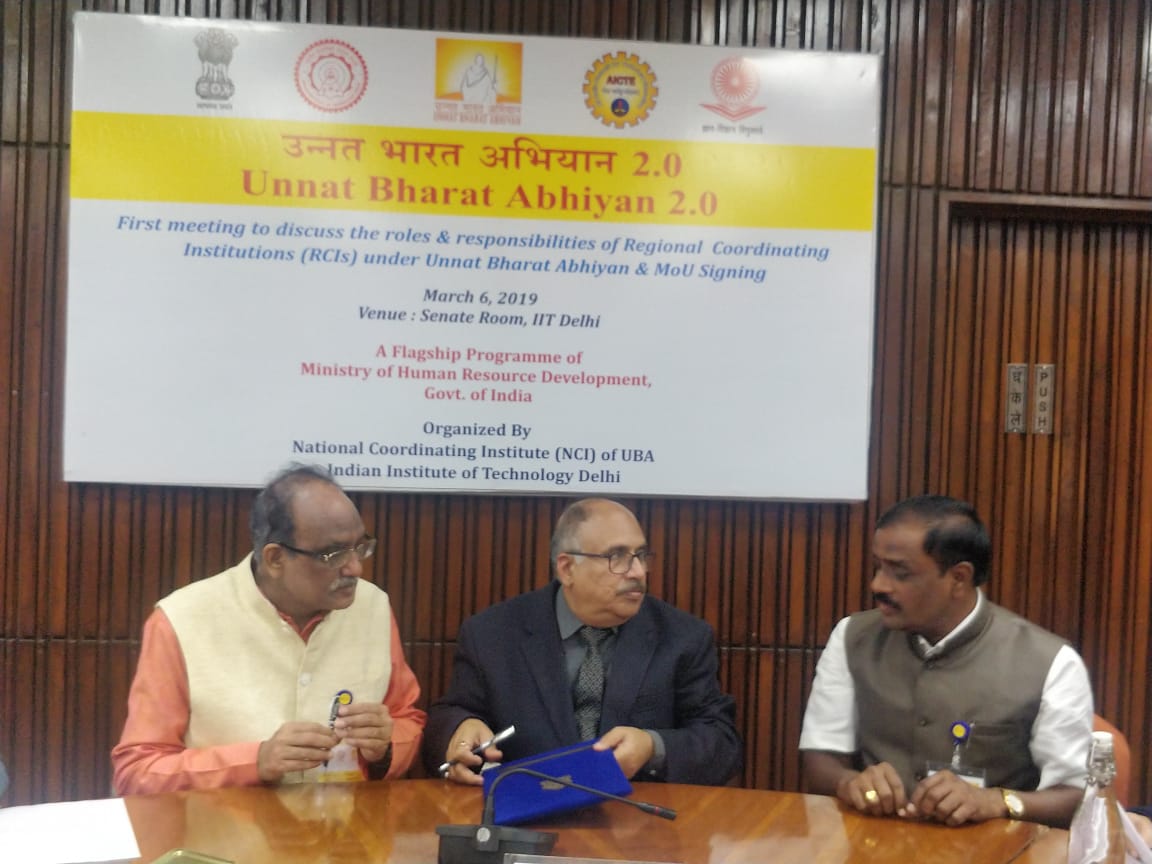
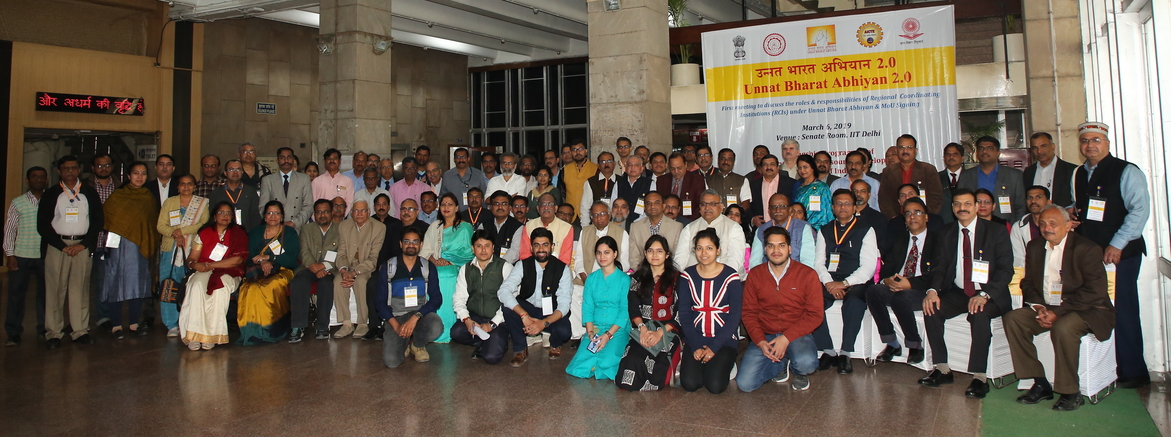
As you are aware, Unnat Bharat Abhiyan (UBA) had collaborated with the North East Centre for Technology Application and Reach (NECTAR) and Vijnana Bharati (VIBHA) to bring about inclusive development in the Northeast region (NER) of the country, through S&T technologies developed by R&D organizations and accelerating their outreach for fast-tracking livelihood opportunities. In this direction, UBA-NECTAR-VIBHA organized a brainstorming workshop entitled “Transforming Meghalaya State through Science and Technology Interventions” during April 9-10, 2021 at Shillong, Meghalaya with the objective of connecting technology providers with technology seekers in the Northeast region, and ensuring knowledge exchange and cross-learning among different stakeholders. The two day event comprised a techno-fair - a display and demonstration of technologies relevant for implementation in the NER. 

In continuation to that, UBA-NECTAR-VIBHA is organizing a Two-days "Brain-Storming Conclave on Atma Nirbhar North East through S&T Interventions" on December 21 - 22 , 2021 at Cotton University, Guwahati, Assam . Unnat Bharat Abhiyan seeks and encourages participation from all its Regional Coordinating Institutes (RCIs) and Participating Institutes (PIs) throughout the country. 


For RCIs and PIs, especially those based out of Northeast, we encourage organizing exposure visits to the techno-fair and institutional-level activities/field-studies based on it with a view of inculcating interest and enthusiasm in students towards S&T based rural interventions.

Further, as part of this workshop, UBA-NECTAR-VIBHA are organizing the following competitions on December 22nd , 2021. 
1. Heritage through the Lens of Science: Competition for Northeast Region
2. Working Models on innovative science and technology (S&T) ideas with a potential to tackle the climate crisis in the Northeast Region (NER) of India
3. Startup Ideation for the Northeast: All India Competition

The guidelines for these competitions are attached in the brochure for your ready reference. 

Link for application : http://www.nectar-uba.com/


The last date of application is 12th Dec 2021. 

Download Brochure:click here