Research And Development Cell

Dr. Babasaheb Ambedkar Marathwada University | Official Website
  • Home
  • Research And Development Cell

Research And Development Cell

Introduction
(As per Communication No. 1-5/2021 (NEP/DESK-PARL) dated 14th March 2022 of UGC)

Research and innovation are the pillars of quality education. The National Education Policy 2020 states that quality education builds on quality research in the institutes of higher education. Only a dynamic education setup encompassing active teaching, extensive learning, research, innovation and technology development can answer the social challenges to realise the dream of a self-reliant India. The research potential of Universities and HEIs play a vital role in imparting quality education.

Dr Babasaheb Ambedkar Marathwada University is the state university that holds the 76th position in the NIRF ranking. Research is the backbone of the academics of Dr Babasaheb Ambedkar Marathwada University, Aurangabad. To channelize the research and innovation potential of Dr Babasaheb Ambedkar Marathwada University incubated the idea of establishing of Research and Development Cell under the faculty of Science & Technology.

The Research and Development Cell of the Dr Babasaheb Ambedkar Marathwada, University facilitates and encourages the research culture among the teachers and the students. The establishment of the University R&D Cell is to develop and strengthen the research environment in the departments and to align it with the educational policies of India. The R& D Cell would provide a favourable environment for productive research, Industrial and Institutional collaborations and mobilise the resources and grants. University follows the research mandate by various National Missions SDGs, and Start-up India leading to a Self-Reliant India (Atma-Nirbhar Bharat).

R&D Cell encourage & faculties to conceive ideas through enhanced industry-academia interactions and prepare research proposals for funding from various agencies & it organizes events like capacity-building programs and specific research theme-based workshops and Research Internships that will motivate the students, scholars, and faculties to participate actively in the process of ideation and innovative research in emerging areas.

R& D cell envisages towards building a sustainable research ecosystem, University needs to connect with RDCs of well Known HEIs for their research. University needs to establish collaborations, teams/consortia, partnerships, and combined ventures for joint research activities to enhance the exchange between students, scholars, and faculty.

University must create a centralized Research Information Management System (RIMS) where all research-oriented information, databases, publications, research projects, fellowships, collaborations, patents, etc. can be collected and managed. RIMS can also have a platform from where information on Human Resources, physical capital and knowledge capital can be accessed. University will also create a portal on Institutional Research Information and Institutional Repository and sign a MoU with UGC- INFLIBNET to access and upload the research information through Shodh Ganga, Shodh Gangotri, Shodh Sindhu, Shodh Shuddhi, and Shodh Chakra.

RDC will undertake regular initiatives to ensure that researchers understand the importance of integrity and ethics and comply with ethical codes of research and publishing practices at Institutional, National, and Global levels. All papers will go through a standard plagiarism check and necessary software will be made available for all researchers.

RDCs will organize various events such as workshops, group discussions forums, seminars, conferences, refresher courses, training, internships etc. regularly for capacity building. It will also pave the way for HEI to attract more research grants under norm-based funding, improve its accreditation ranking and enhance its brand image.

University needs to create and adhere to certain quality benchmarks for research to meet global standards & RDCs will conduct a quality review (SWOC Analysis) or Internal Evaluation of research papers it will also make suggestions about various UGC recognized journals for paper publication. R & D Cell of HEIs will ensure that all the Research Labs in the institution fulfil the norms of Good Laboratory Practices (GLP) and Safety (Bio and Chemical) measures, recognized as QIP Centre and by the National Accreditation Board of Laboratories (NABL).

Vision

To put in place a robust mechanism for developing and strengthening the research ecosystem within university, and affiliated colleges, aligned with the provision of NEP-2020

Mission
  • To create a conducive environment for enhancement research productivity.
  • To encourage collaboration across industry, government, community-based organizations, and agencies at the local, national and international levels.
  • To facilitate greater access to research through mobilization of resources and funding.

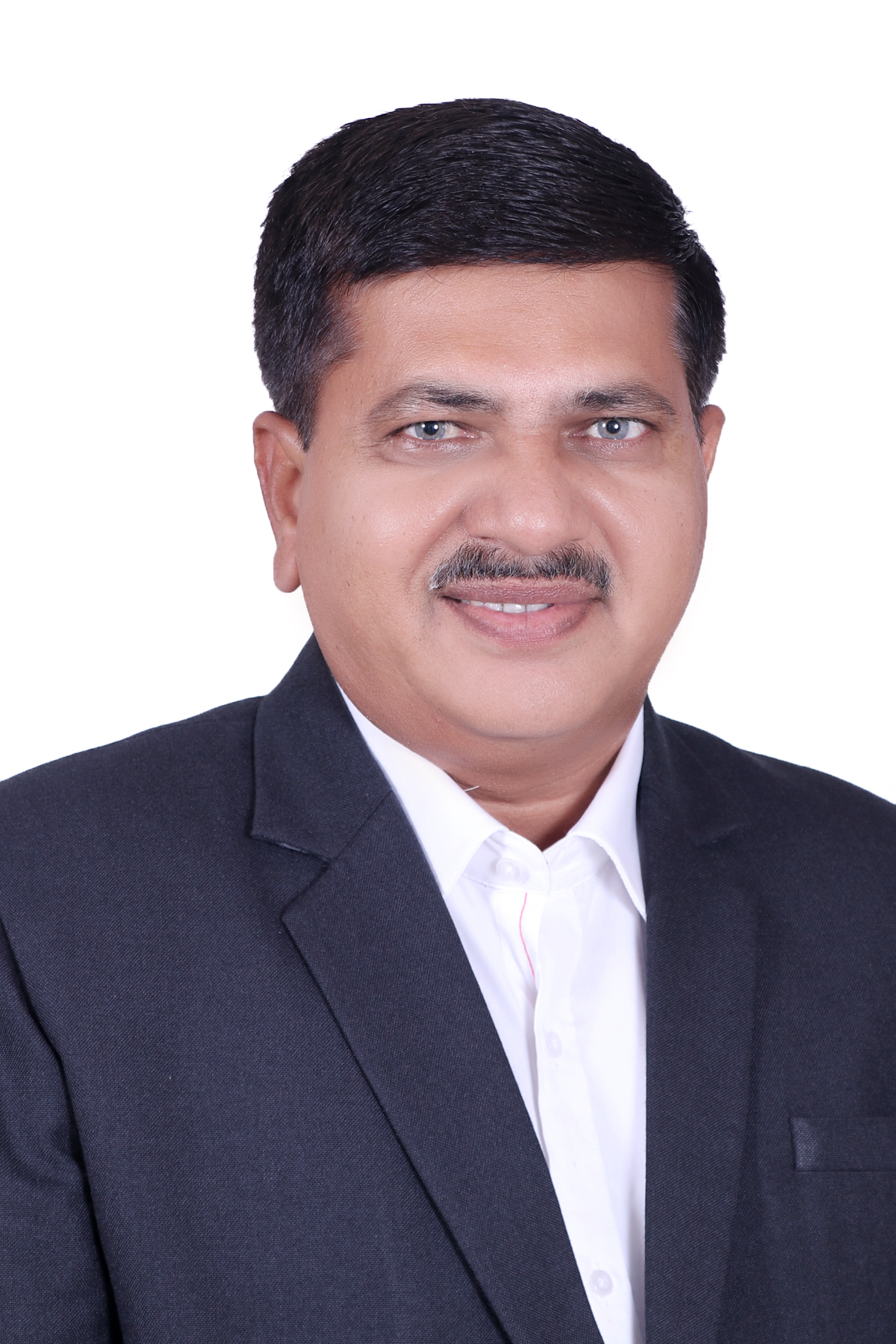
Director

Dr.Bhagwan Kashiram Sakhale

Director

View Biodata

Mobile No.: 9422701632

E-mail : director.rdc@bamu.ac.in

Dhabe

Objectives
Organizational Structure
Composition
Functions
Additional Duties
Seed Money
  • To create awareness and opportunities in Research, Innovation and Development among the faculty and students.
  • To promote Interdisciplinary/Multidisciplinary research.
  • To identify the thrust area of research of each university department, and form related cluster groups/frontline, teams/consortia of research.
  • To generate innovative ideas and solutions to academic and societal problems.
  • Modernizing the existing laboratories with additional experimental setups/instruments and technology for utilizing the lab for research activity.
  • Identification of appropriate high priority thrust areas of research opportunities announced by different academic, research, and industry or government organizations for researchers of each department on campus.
  • To act as liaison between researchers & relevant research funding agencies, extend guidance in preparation & submission of project proposals and post-sanctioning of the grants to oversee adherence to timeline.
  • To identify potential collaborators from industry, research organizations, academic institutions & other stakeholders for cooperation and synergic partnerships and dissemination of research outcomes.
  • To establish better coordination among university-industry interlinkage, incubation, innovation and entrepreneurship development, and Intellectual Property Right (IPR).
  • To develop Institutional Research Information System.
  • To support university research by integrating multiple functional units under a single–window operational system for effective administration.
  • To monitor and oversee research progress, manage and optimize research resources and conduct timely reviews to help complete projects as per schedule.
  • To encourage Core Competence and Consultancy work.
  • To develop, prescribe and administer rules, regulations, policies to ensure the compliance of all research quality assurance frameworks and the research code.
  • To engage superannuated/active experts, scientists, and community talents.
  • To create awareness about filing Patents & IPR.

For effective governance and to ensure functional autonomy, transparency, accountability, and Adaptability University has to establish governance committee. This committee oversees the smooth and efficient coordination of research and development activities in the Institute, thus fostering overall growth. The organizational structure consists of Advisor, Director and Coordinators for facilitating the routine functioning of the cell.

There should be a Research Advisory Council headed by the Hon’ble Vice-Chancellor or his/her nominee as the apex body of RDC. There should be Director (RDC) among the distinguished researchers from the university and nominated by the Hon’ ble Vice-Chancellor, Director will head various sub-committees to drive the governance. RDCs may form multiple sub-committees to enhance their function.

Composition of R&D Cell

Advisory Committee: Institute Research Advisor, Director, Dean, 3 or 5 renowned external Academic Personalities with sufficient Research and Administrative background.

Institute Research Advisor: Hon’ble Vice-Chancellor

Director : The Director nominated by the Vice-Chancellor, will head various Sub- committees to drive the governance.

Coordinators :5 to 7 teaching faculty members from the Institute, with research supervising experience and 1 or 2 non-teaching officers representing with experiences in research related administrative duties.

All activities of RDC will be monitored and mentored by various committees for devising research models, technology, appraisal, foresight & review functions, mediating sectorial R&D progress, and IPR protection. RDC should keep close contact with Ministry Innovation Cell to make use of various innovative plans for facilitating the researchers.

[content not published]

[content not published]

Under Construction

Seed Money for minor research projects for university faculty
Seed Money for minor research projects for Affiliated faculty