Paul Hebert Centre for DNA Barcoding and Biodiversity Studies

Dr. Babasaheb Ambedkar Marathwada University | Official Website
  • Home
  • Academics
  • Paul Hebert Centre for DNA Barcoding and Biodiversity Studies

Paul Hebert Centre for DNA Barcoding and Biodiversity Studies

About PHCDBS

Our core purpose is to create knowledge and develop applications to sustain natural systems on which all life depends.

Biodiversity measures the variation of life shaped through ecology and evolution from genes to species and ecosystems. The Paul Hebert Centre for DNA Barcoding and Biodiversity Studies, Dr. Babasaheb Ambedkar Marathwada University (BAMU) is the nodal centre of DNA barcoding and it’s Paul Hebert Centre for DNA Barcoding and Biodiversity Studies (PHCDBS) is dedicated to the study of biodiversity at the species level and the advancement of this field of research.

PHCDBS is also the focal point for all biodiversity-related research at BAMU to benefit over 50 Indian scientists across all Colleges and most departments. This Interdisciplinary Biodiversity Initiative at PHCDBS brings together all the BAMU biodiversity-related research community, and strengthens the individual potential to accelerate outcomes through collaborative action. A critical mass of expertise covering all aspects of biodiversity science makes it possible to tackle problems with innovative approaches in ways that cannot be achieved by any one partner alone. Members of PHCDBS research all facets of biodiversity-related problems from soil microbiome to human gut microbiome and social, ethical and legal issues associated with emerging science.

Our research outcomes are applied to design solutions to major needs of industry and society ranging from breeding better plants, improving and protecting animal and human health, stepping-up conservation and environmental assessments, detecting marketplace fraud, to enabling to more effective control of invasive pest species and disease vectors.

Department insights

Vision, Mission and Values

Vision

To map the biodiversity for future generations using DNA as a base of life, and to demonstrate how this capability advances scientific and societal goals.

Mission
Leadership

To remain a national leader in the development of DNA-based approaches for specimen identification and species discovery with a focus on multicellular life.

Collect and Index

To complete the inventory of all species by automating the analysis of biodiversity through the coupling of advanced DNA sequencing technologies with high performance computing.

Educate to Protect

To provide the information needed to better manage biodiversity with the goal of minimizing the loss of populations and species.

Support Global Science

To develop the international collaborations that will allow biodiversity science to establish and operate a Global Research Infrastructure.

Values
  • The PHCDBS is committed to the transformation of biodiversity science and will achieve this by working closely with other researchers and research organizations in India.
  • The PHCDBS is committed to advancing understanding of new approaches in biodiversity science through its involvement in educational and national development programs.
  • The PHCDBS is committed to the professional advancement of its staff and to the strong integration of its Units.
  • The PHCDBS is committed to advancing the scientific reputation of its home institution, its states, and its nation.

Director’s Message

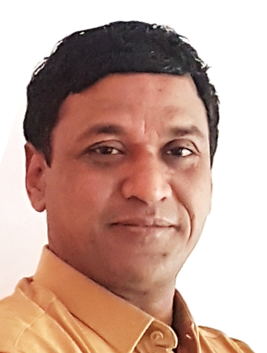
Gulab Khedkar is Director of the Paul Hebert Centre for DNA Barcoding and Biodiversity Studies which oversees DNA barcoding involvements in India. He is a Professor of Molecular Biology in the Department of Zoology and Director of its Centre for Coastal and Marine Biodiversity. India is home to at least 0.6 million species (about 7% of global diversity), but only 17% are known. To speed their discovery, Dr. Khedkar has promoted DNA barcoding through workshops, training courses, and collaborations. His laboratory works in the general area of evolutionary biology with a focus on aquatic organisms that combines lab and fieldwork. From a methodological perspective, he exploits diverse techniques for the molecular characterization of population (e.g. microsatellites, DNA sequencing, genome sequencing) and modelling. He is exploring genome size variation among species, and its impact on life history traits. Aside from metabarcoding studies on microbes from different ecosystems, he is probing mitochondrial evolution by assembling complete genomes for 500 taxa. He is also developing molecular protocols to aid food authentication.

Dhabe

News & Announcements

Courses / Programs

Facilities Available

Contact

Director, Paul Hebert Centre for DNA Barcoding and Biodiversity Studies

Dr. Babasaheb Ambedkar Marathwada University, Chattrapati Sambhajinagar, Pincode - 431 004

Facilities
Services
Applications
Our Projects
Photo Gallery

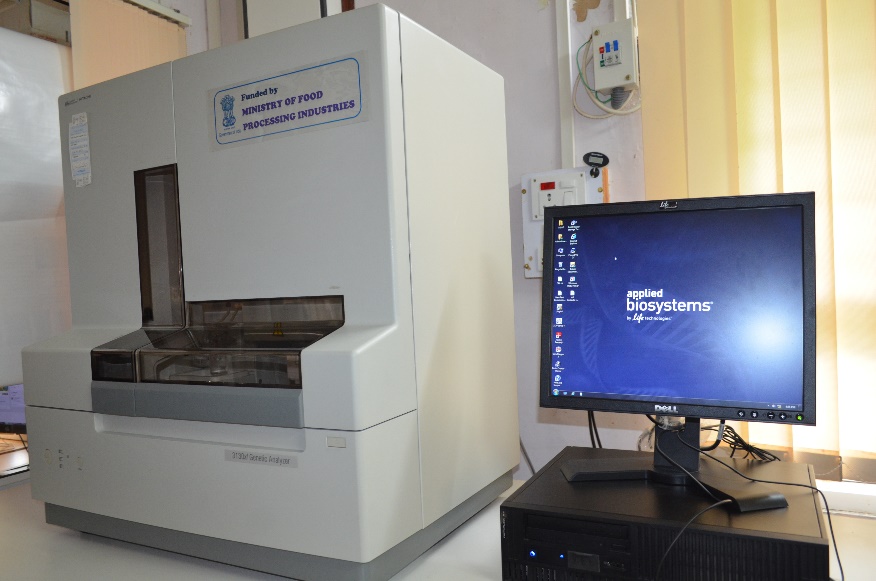
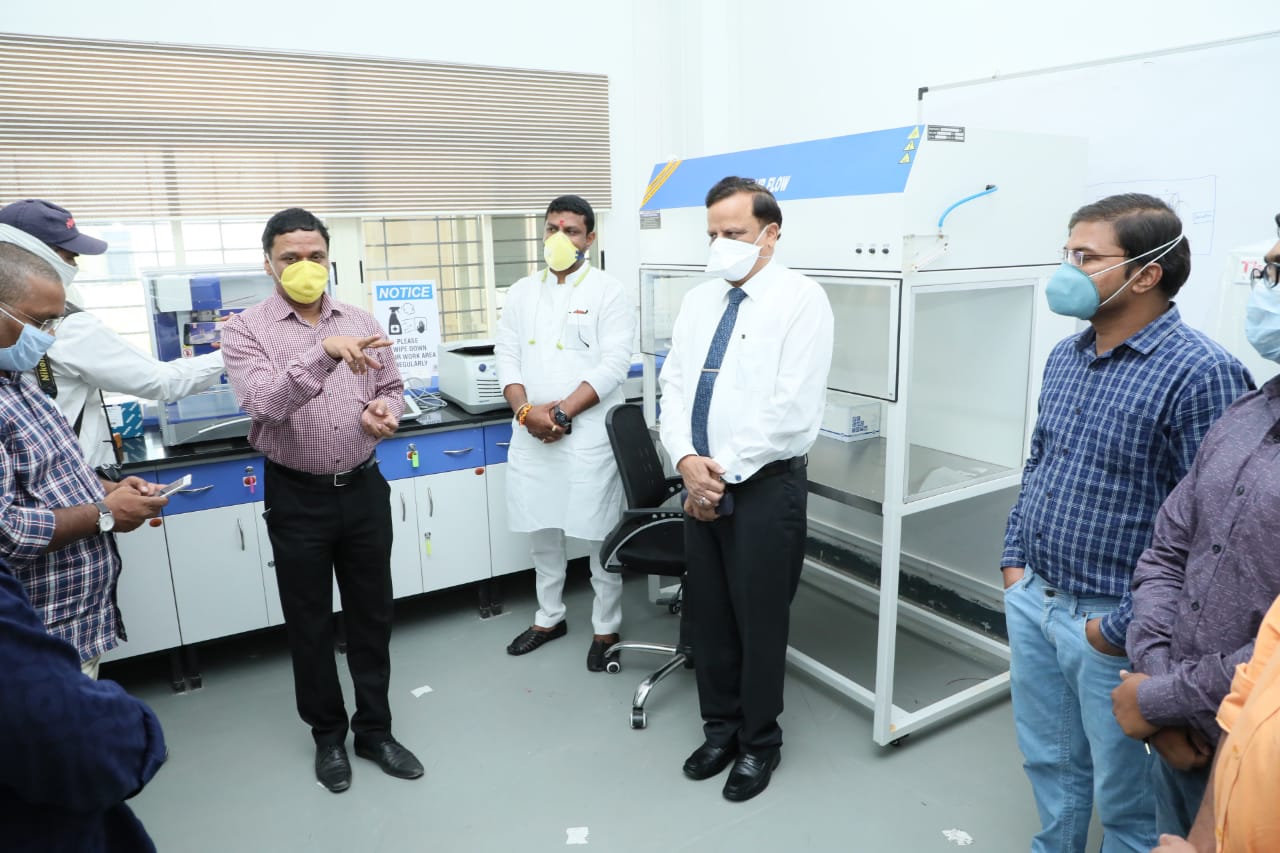
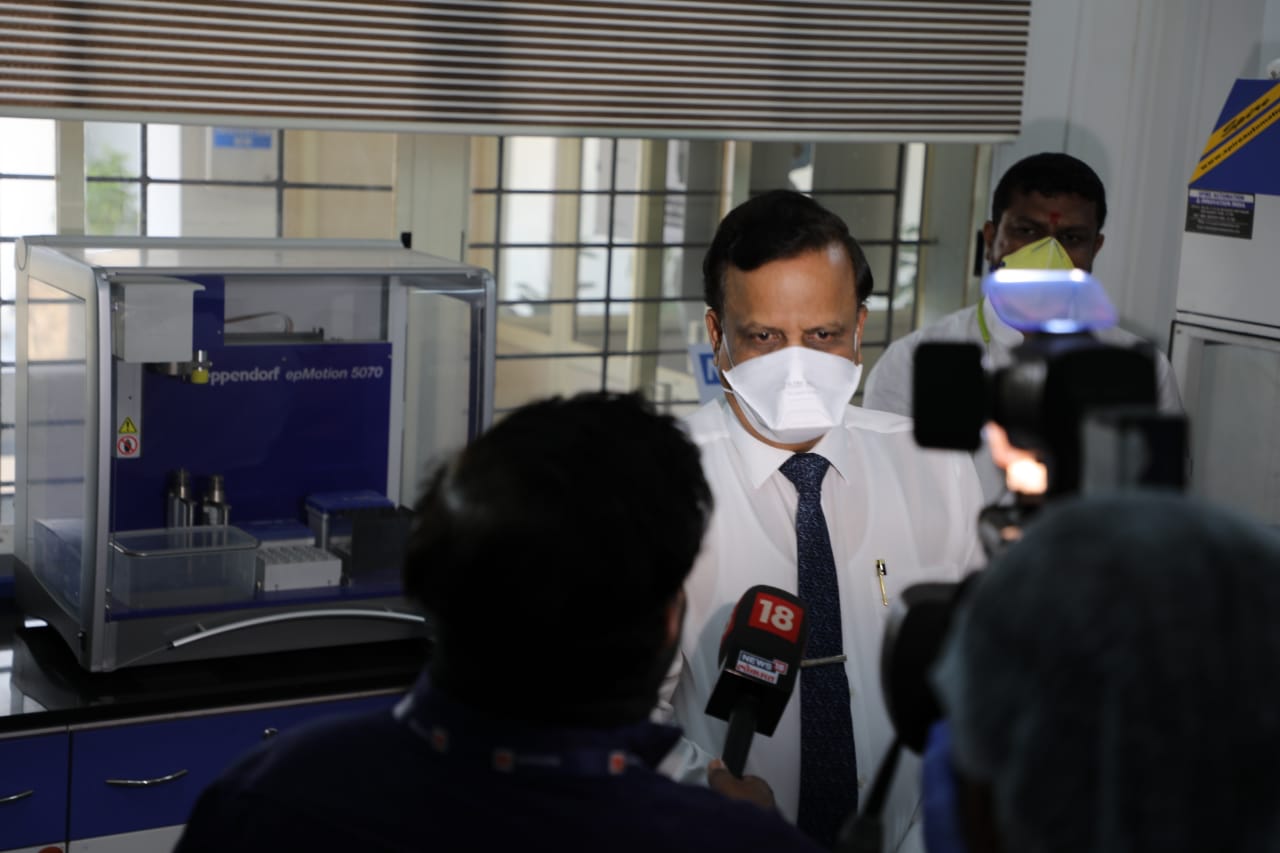
First established as a core genomics facility to enable research programs of the PHCDBS’s scientific team, is now the India’s largest analytical hub for DNA barcoding with the primary goal of delivering the most reliable and comprehensive species genetic identification service.

Image 1 Image 2 Image 3 Image 4 Image 5

The Paul Hebert Centre for DNA Barcoding and Biodiversity Studies provides analytical support to its academic partners, government researchers, and private sector clients. Building on its expertise in field operations, molecular biology, and bioinformatics and strengthened by more than a decade of leadership in the DNA barcoding community, the PHCDBS offers a wide range of services.

Sequencing Services

Our end-to-end DNA barcoding and other genomic solutions begin with user consultation and finish with a sample-to-answer workflow. All stages are completed in our core analytical facility.

The PHCDBS has the research infrastructure and expertise to support both discovery science and applied research. Whether your project involves assembling a barcode reference library or environmental assessment, our staff can complete every step from sampling and databasing to data generation and interpretation.

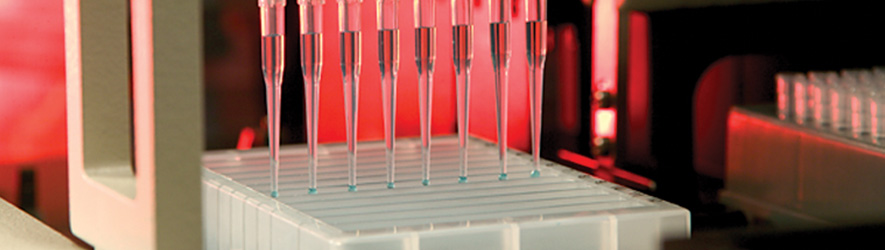
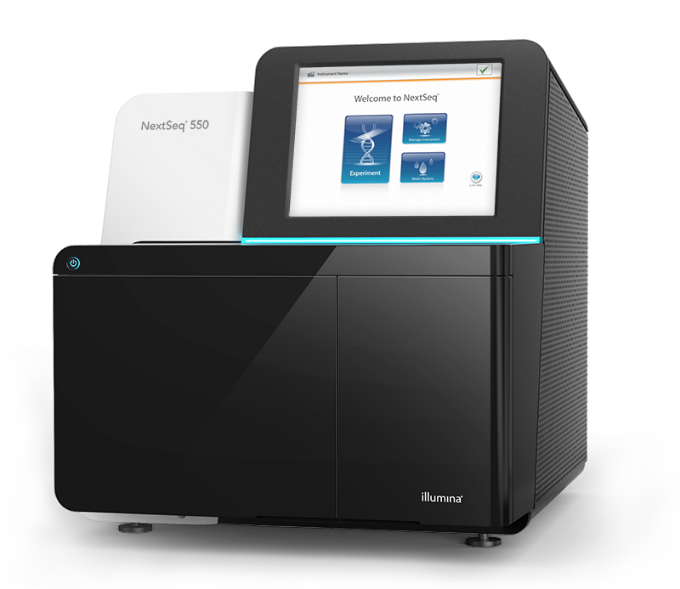
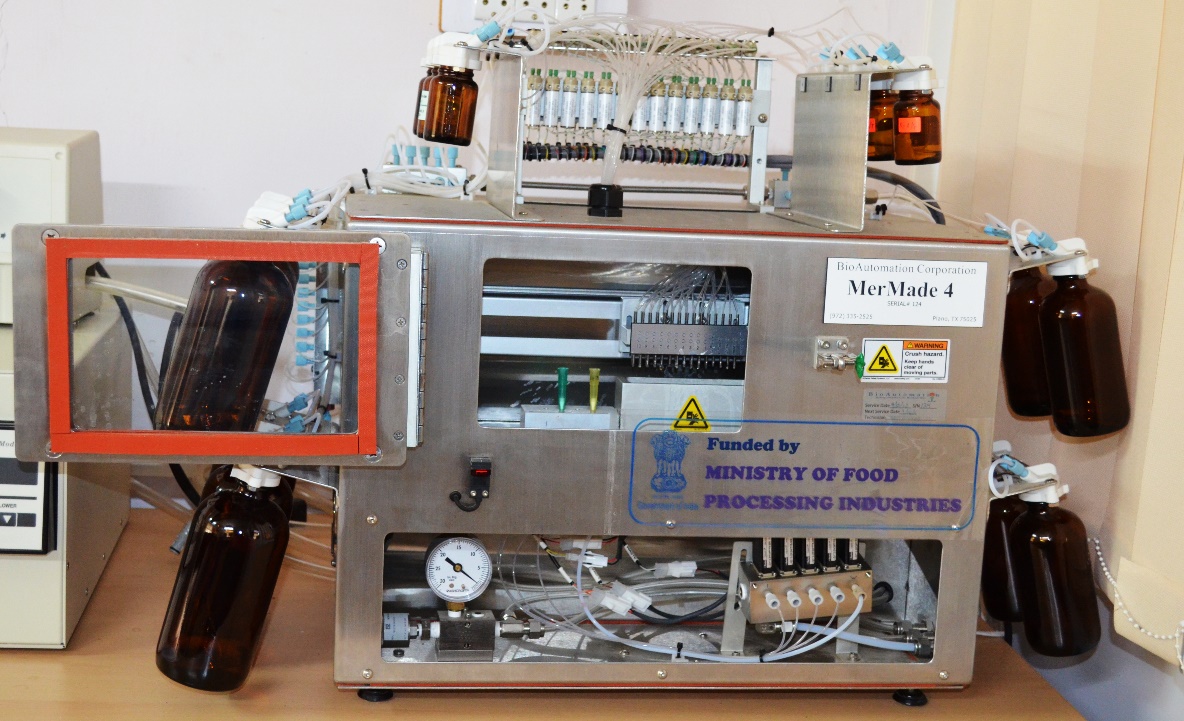
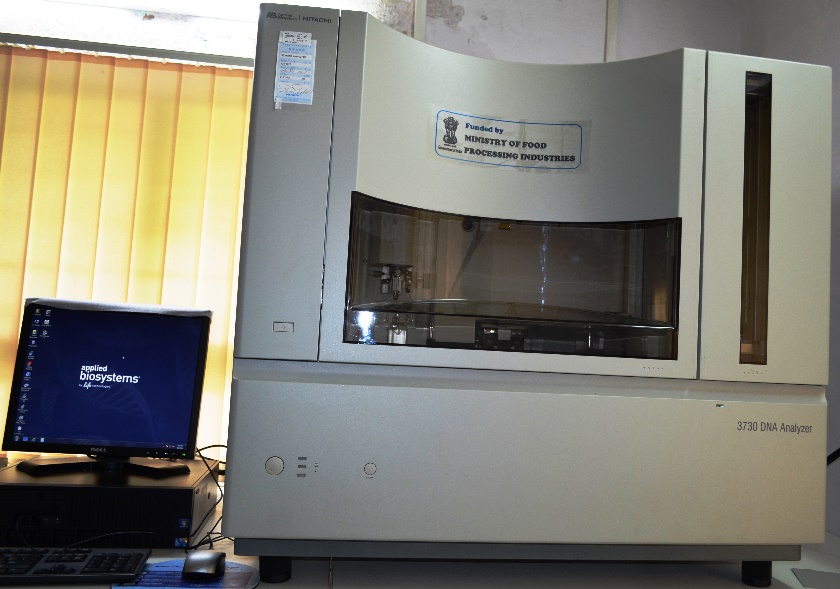
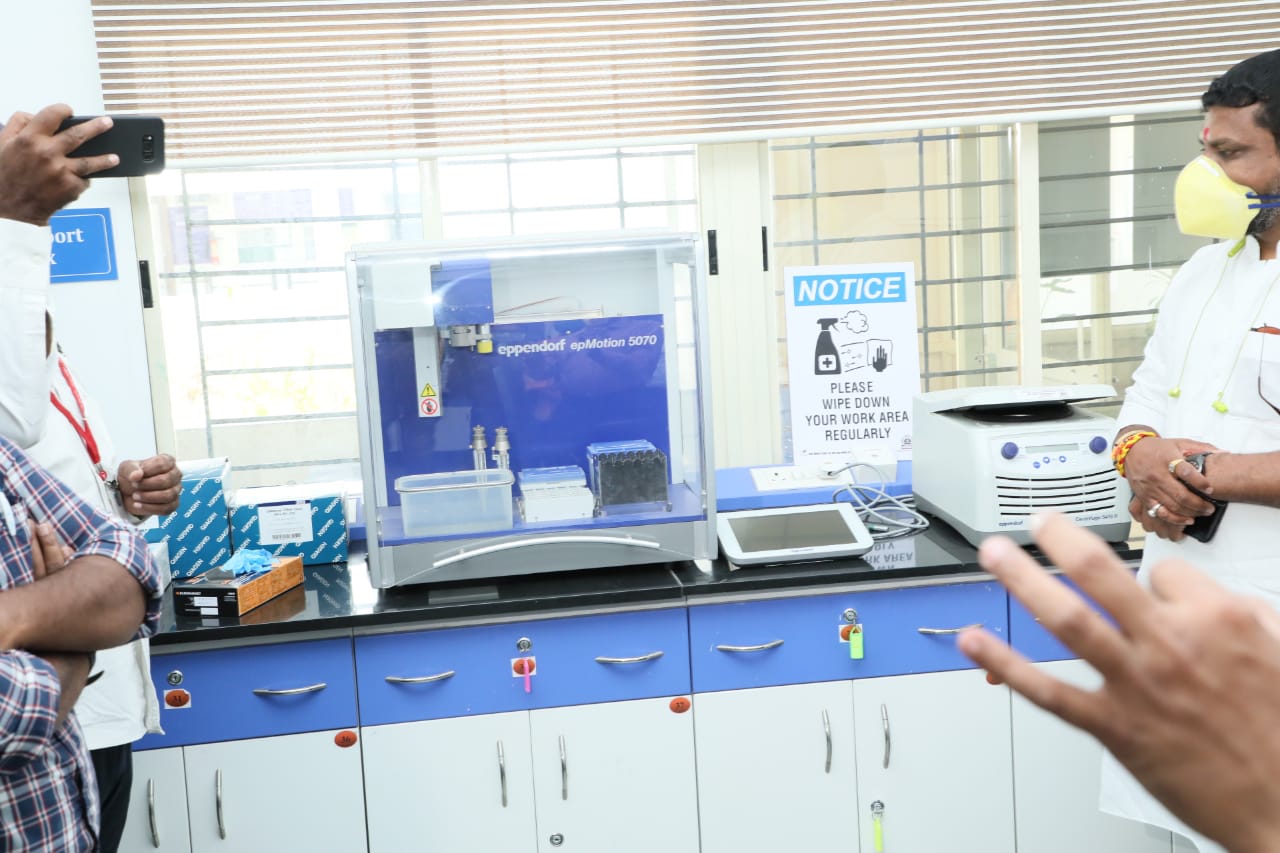
For every project – from a single sample to thousands of specimens, from high to low DNA concentrations, from single source to mixed samples, from biological traces to eDNA detection – we use conventional protocols and break-through patented techniques powered by liquid handling platforms and sequencing technologies from Sanger and third generation DNA sequencers.

How can we help you

At PHCDBS, we apply our technologies and develop solutions designed to solve biodiversity problems, no matter what their size or area of activity. From R&D collaboration to services to training, we offer the highest quality level of science and share the risks associated with innovation.

We wish to address industry and public concerns where effective biomonitoring assessment and accurate species identification are critical:

  • Environmental surveillance/monitoring – tracking the impact of human activities on the environment; gauging the success of restoration efforts; monitoring water quality and aquatic ecosystems
  • Endangered species – enhancing taxonomic and ecological knowledge about endangered species and creating a diagnostic framework for monitoring and curbing illegal harvest and trade
  • Invasive species – identifying and monitoring invasive organisms and their ecological impact, improving diagnostic measures to prevent cross-border transfer of alien species
  • Agriculture and forestry – identifying and monitoring agriculture and forestry pests and biological control agents
  • Human health – identifying and monitoring human disease vectors and reservoirs; reconstructing ecological relationships between the components of natural-borne disease foci
  • Market surveillance – detecting product substitution in foods and herbal products, revealing contaminated food sources
1. Mapping the microbial communities across the Indian Coast line using 16s metagenomcs
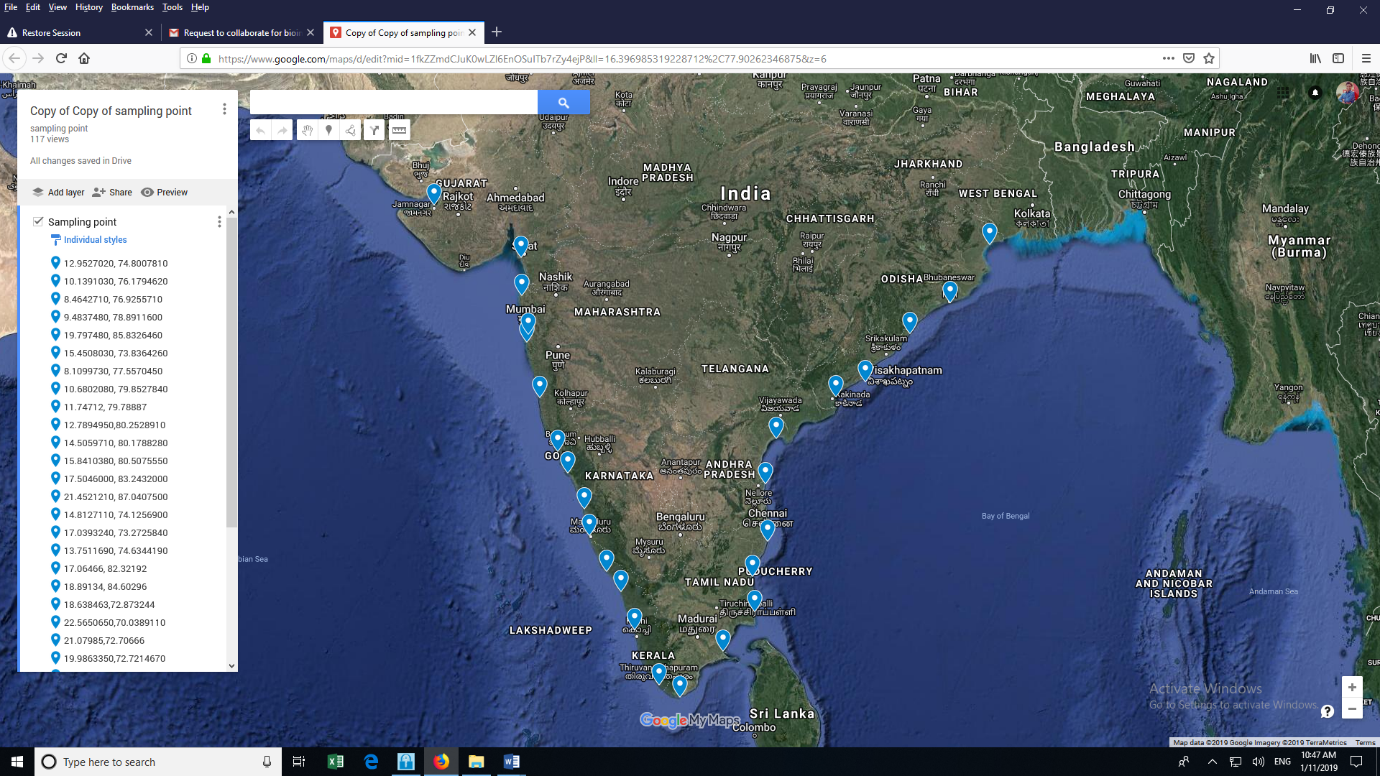
(GD Khedkar, BA Chopade, Mahesh Solunkhe, Amol Kalyankar, Dinesh Nalage, Bharathi Prakash, Sanil Pillai Amrin Fatima)

The key questions to be explored;
  1. Overall microbial community known (%) unknown (%)
  2. East coast vs west coast diversity disparities
  3. Influence of rivers on microbial communities
  4. Effects of ports on microbial communities
  5. Effect of human populations (Mumbai, Surat, Goa, Kochin, Kanyakumati, Vijawada, Puri, Kakinada etc)
2. Mapping the marine fish species of India
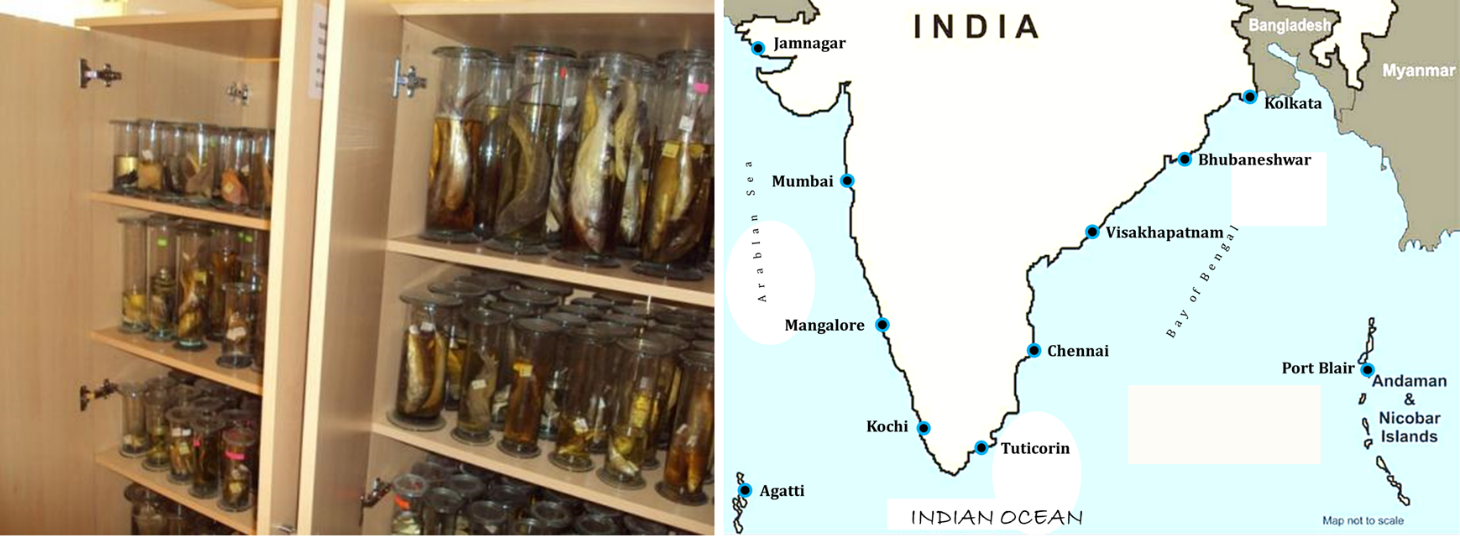
(GD Khedkar, BA Chopade, Anita Tiknaik, Amol Kalyankar, Ishwarya Deepty, Mamatha Dalala, Ganesh Korhale, Nazneen Deshmukh, Bharathi Prakash, Biju Kumar, Persis Manne, A Chandrashekhar Reddy)

The key questions to be explored;
  1. Marine fish species diversity mapping using DNA Barcoding
  2. Resolving taxonomic ambiguities
  3. Diversity disparities in terms of genetic distance
  4. Application in commercial practices
3. Mapping the Indian rivers for fish diversity
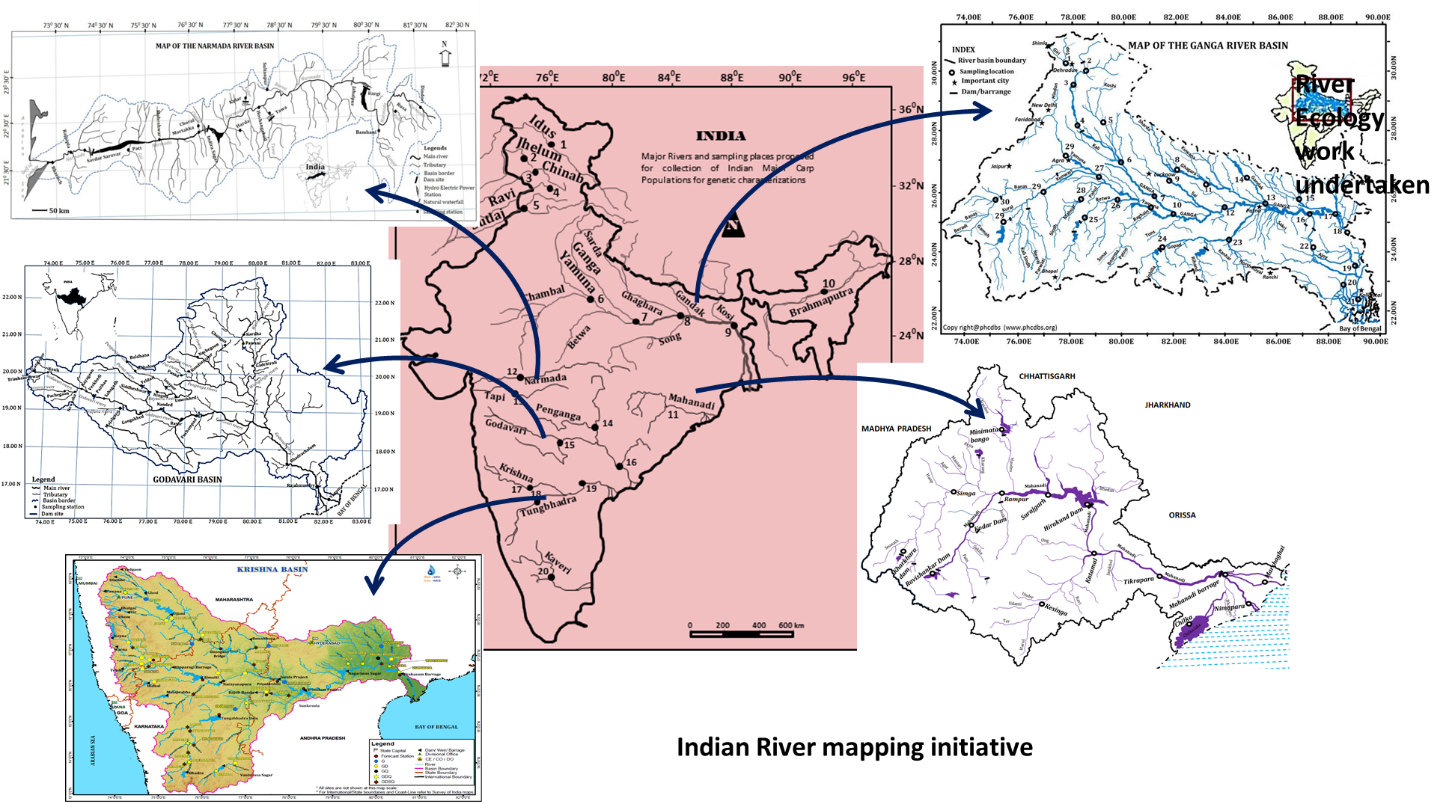
(GD Khedkar, Sandeep Rathod, Vikas Kalyankar, Anita Tiknaik, Amol Kalyankar, Mahesh Shingare, Sanil Pillai, Ganesh Korhale, Mahesh Shingare, Rahul Suryawanshi, Deepali Sangale, Tejashwini Sontakke, A Chandrashekhar Reddy, Lior David)

The key questions to be explored;
  1. Marine fish species diversity of major river basins in India
  2. Resolving taxonomic ambiguities
  3. Comparing trans-basin diversity status
  4. Application in conservation programs
4. Wildlife Forensics
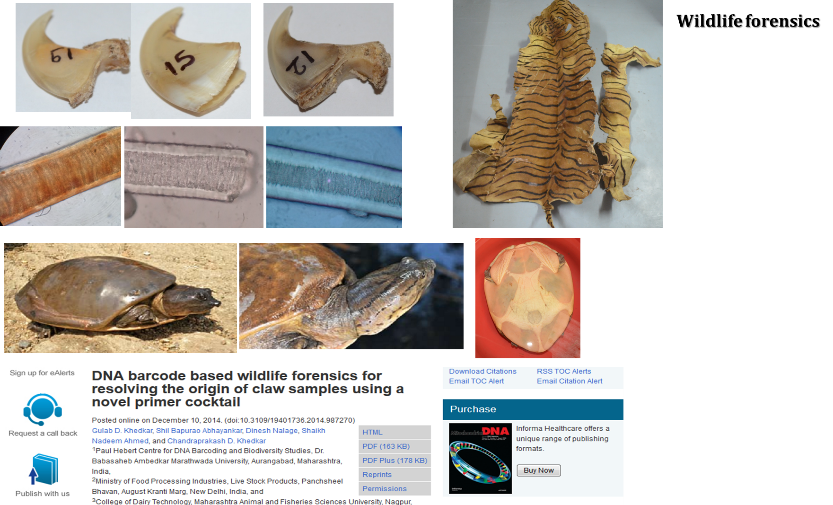
(GD Khedkar, Dinesh Nalage, Anil Sarkate, Anita Tiknaik, Amol Kalyankar, Sanil Pillai, Ganesh Korhale, Deepali Sangale, Tejashwini Sontakke, Raituja Hange, Shil Abayankar, Vikram Khilare)

The key questions to be explored;
  1. Develop DNA forensics methods for various wildlife species in India.
  2. Assist forest department in such cases.
  3. Assist in conservation programmes.
5. Whole Genome Sequencing Project (20 Whole Genomes)
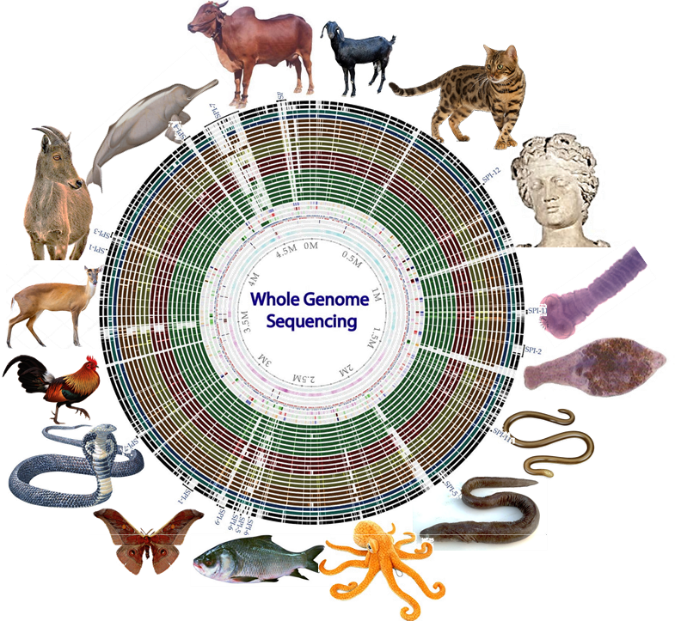
(GD Khedkar, BA Chopade, Dinesh Nalage, Anil Sarkate, Anita Tiknaik, Amol Kalyankar, Sanil Pillai, Rajshri Deolalikar, Deepali Sangale, Tejashwini Sontakke, Bharathi Prakash, CD Khedkar, Atsushi Kurabayashi, P. Raju, Mamatha Dadla)

The key questions to be explored;
  1. Generate genome map of important species in India for higher productivity, species improvement, and conservation.
  2. Disease research.
  3. Generate a lead in such type of research.
  4. Assist farmers and fisher society.
6. Whole Mitochondrial Genome Project (500 Whole Genomes)
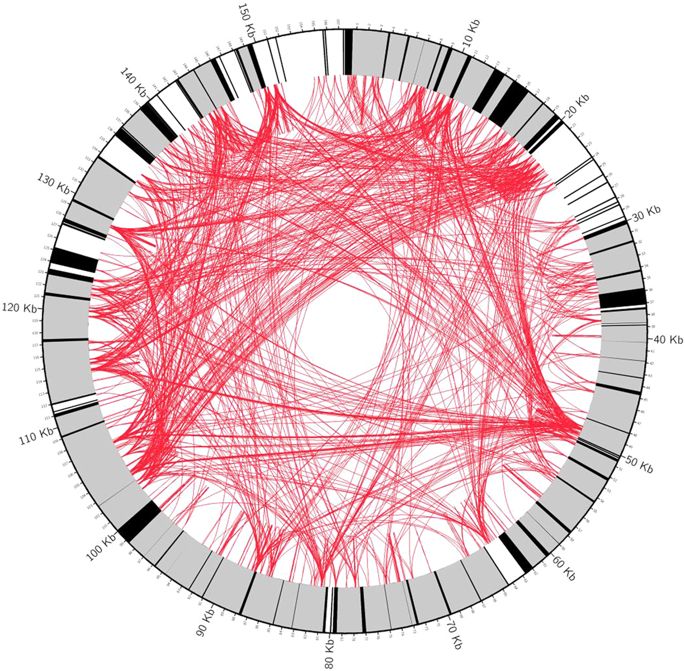
(GD Khedkar, BA Chopade, Dinesh Nalage, Anil Sarkate, Anita Tiknaik, Amol Kalyankar, Sanil Pillai, Chandrakant Jadhav, Vipin Hiremath, Rajshri Deolalikar, Ganesh Korhale, Mahesh Shingare, Rahul Suryawanshi, Deepali Sangale, Tejashwini Sontakke, Bharathi Prakash, CD Khedkar, Atsushi Kurabayashi, Mamatha Dadla, P. Raju)

The key questions to be explored;
  1. Generate mitochondrial genome map of important species in India to unwind the history of their evolution.
  2. Build phylogenetic history of every species.
  3. Comparative account of their mitochondrial (mt.) genomes.
7. Comparative Account of Vertebrate Gut Microbiota (36 Organisms Including Tiger, Elephant)
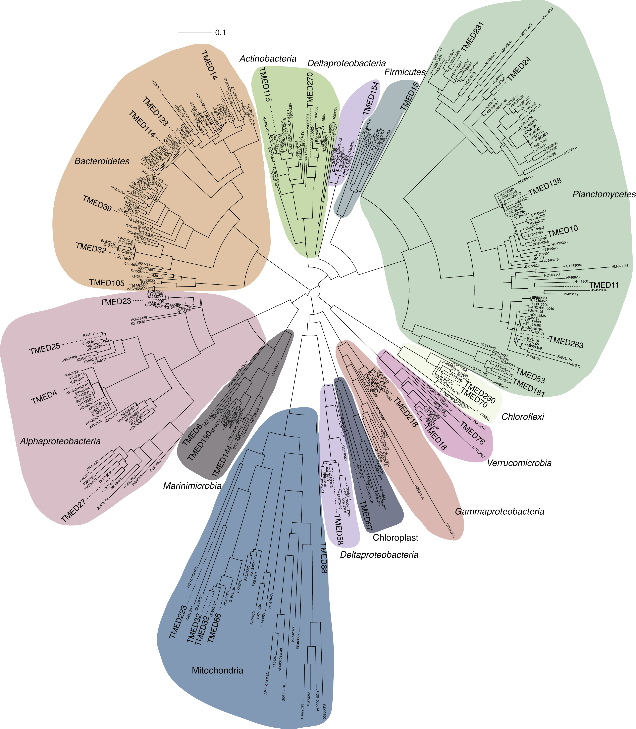
(GD Khedkar, BA Chopade, Dinesh Nalage, Anil Sarkate, Anita Tiknaik, Amol Kalyankar, Sanil Pillai, Rajshri Deolalikar, Ganesh Korhale, Deepali Sangale, Tejashwini Sontakke, Bharathi Prakash, CD Khedkar, Atsushi Kurabayashi, P. Raju, Mamatha Dadla)

The key questions to be explored;
  1. Generate genome map of gut microbiome of various vertebrate species.
  2. Correlation between diet and microbial community.
  3. Possibilities for correlational studies.
  4. Assist farmers and fisher society.
8. Transcriptomic Analysis of Thermos Tolerance Silkworm Breeds to Plan Breeding for Better Hybrids (500 Transcriptomes)
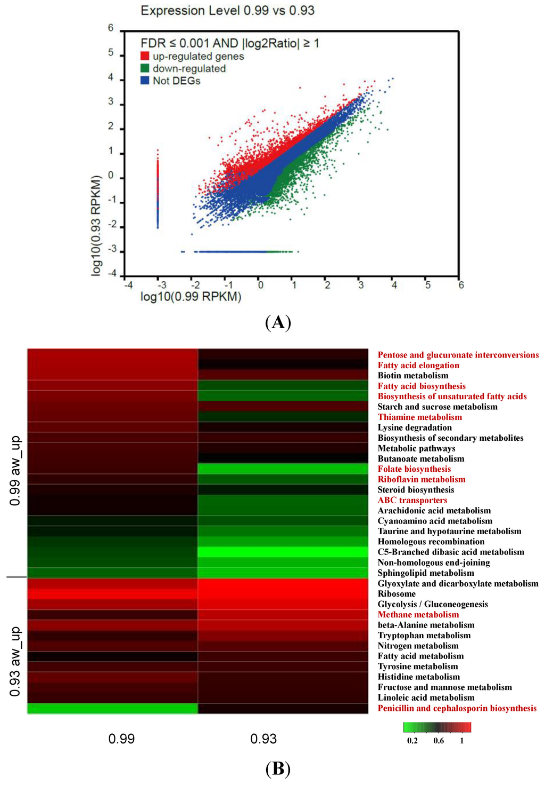
(GD Khedkar, Raju P., Mamatha Dadla, Anita Tiknaik, Swetha, Vaibhav Late)

The key questions to be explored;
  1. Challenge with thermal treatments and profile corresponding gene expression.
  2. Target specific genes for thermal tolerance.
  3. Analyze heterozygosity of such genes and build a breeding program.
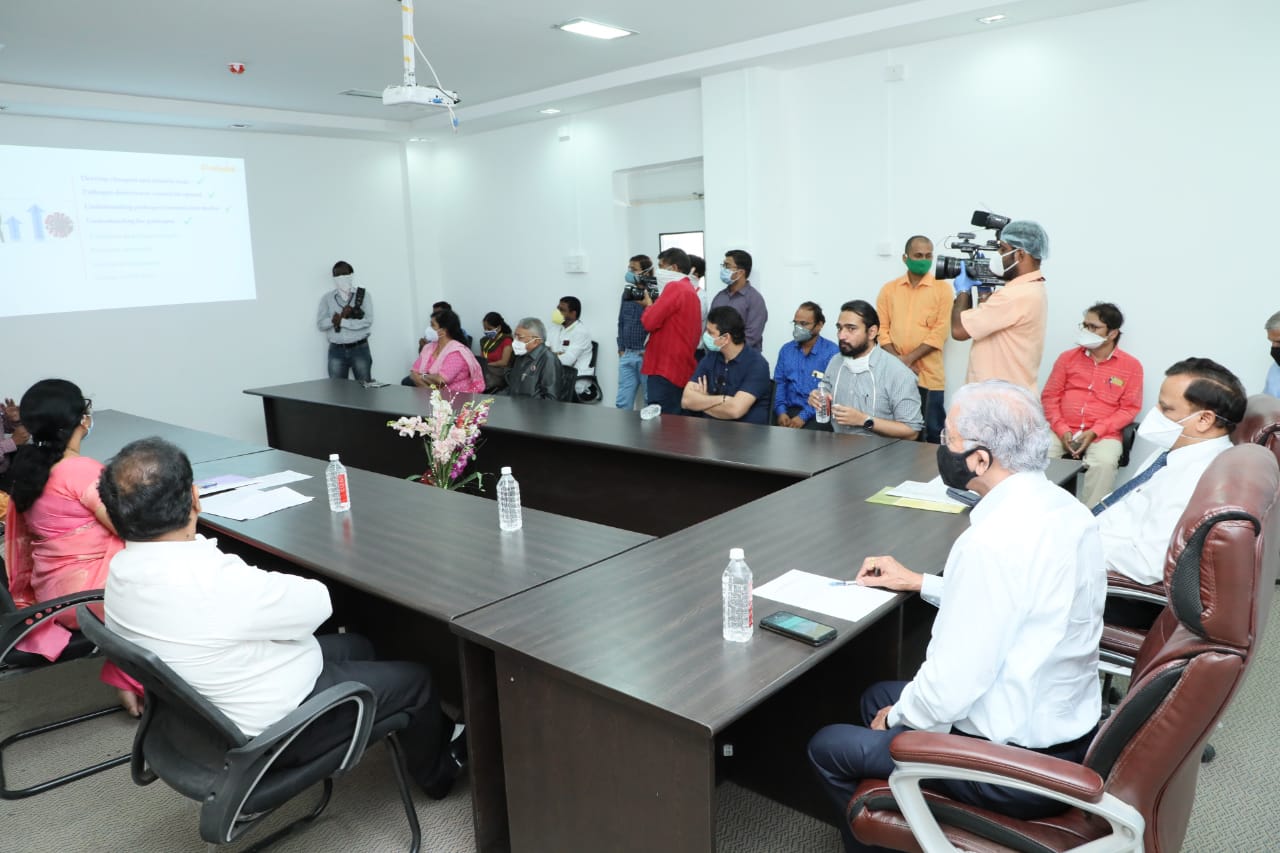
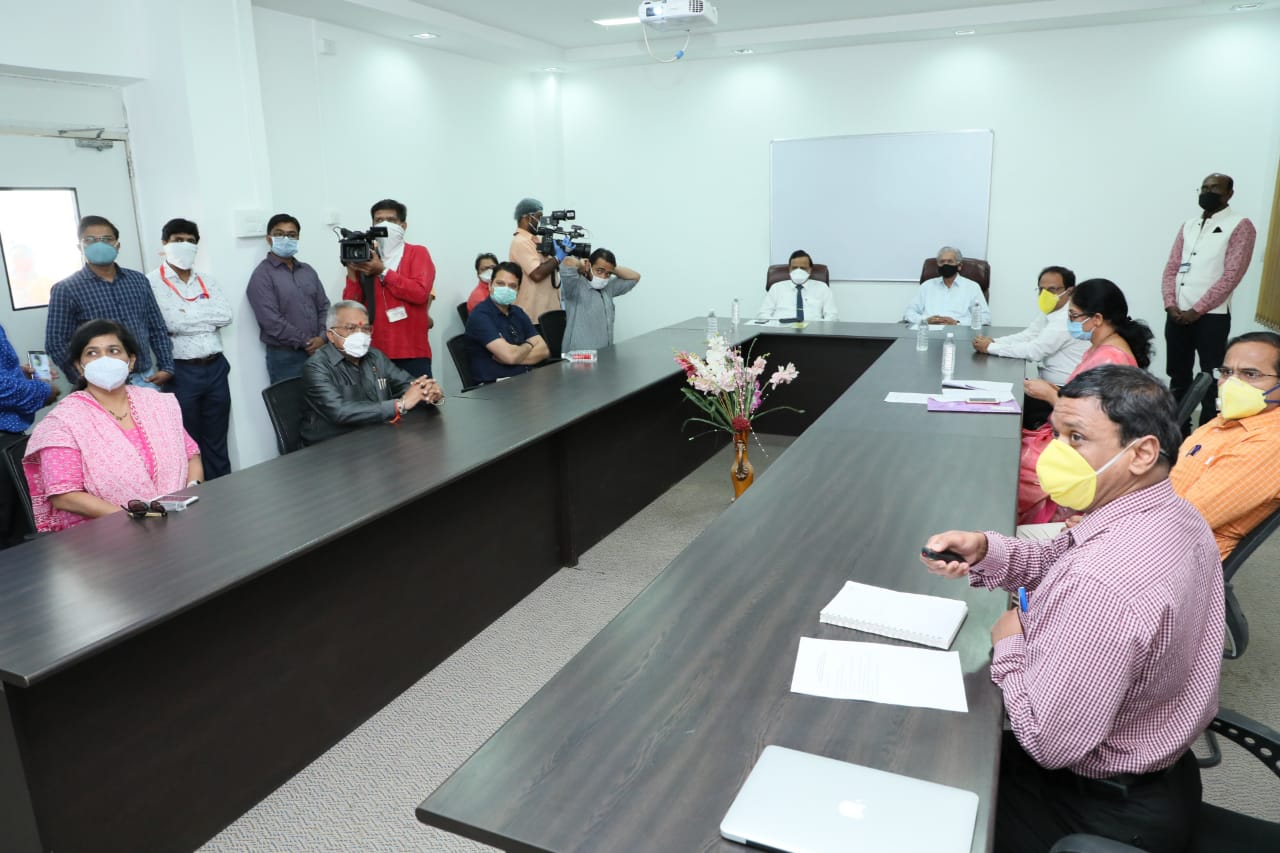
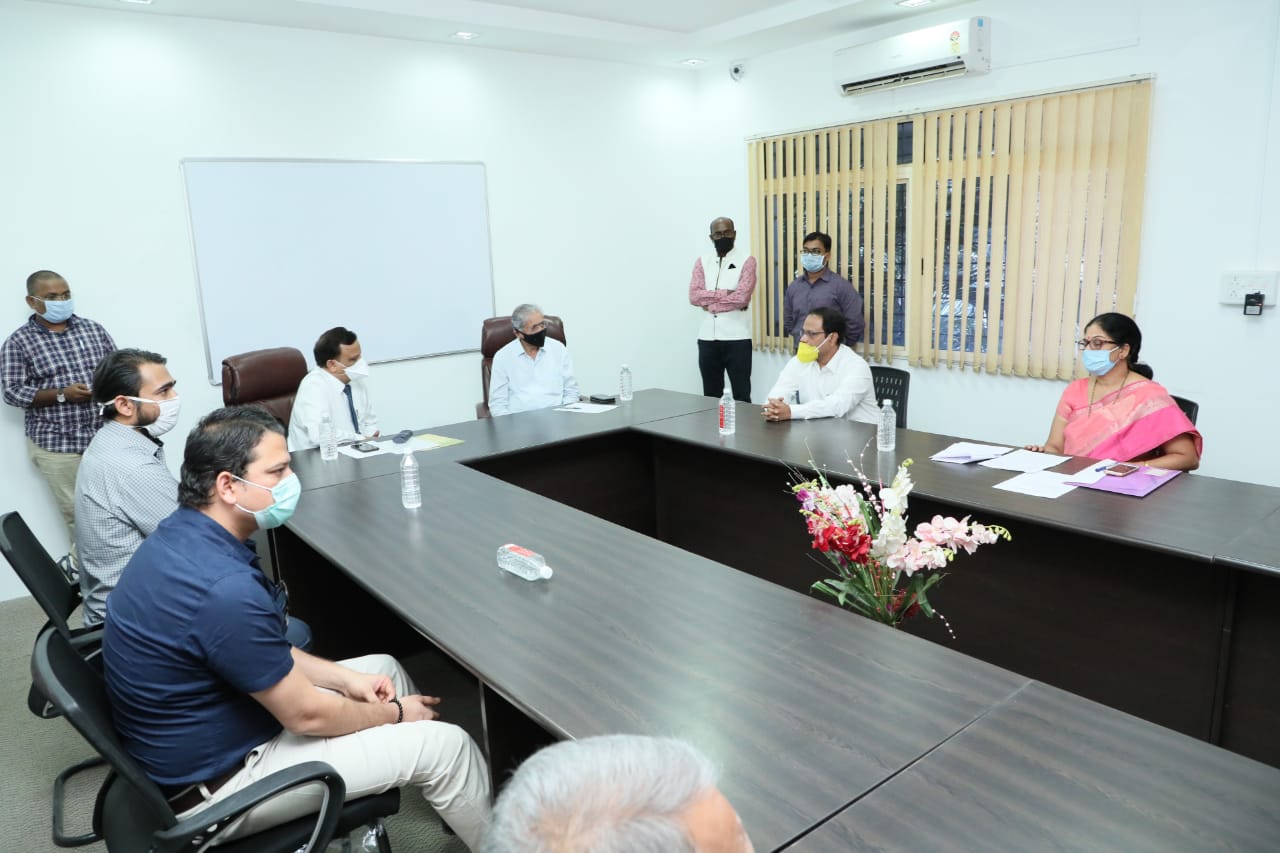
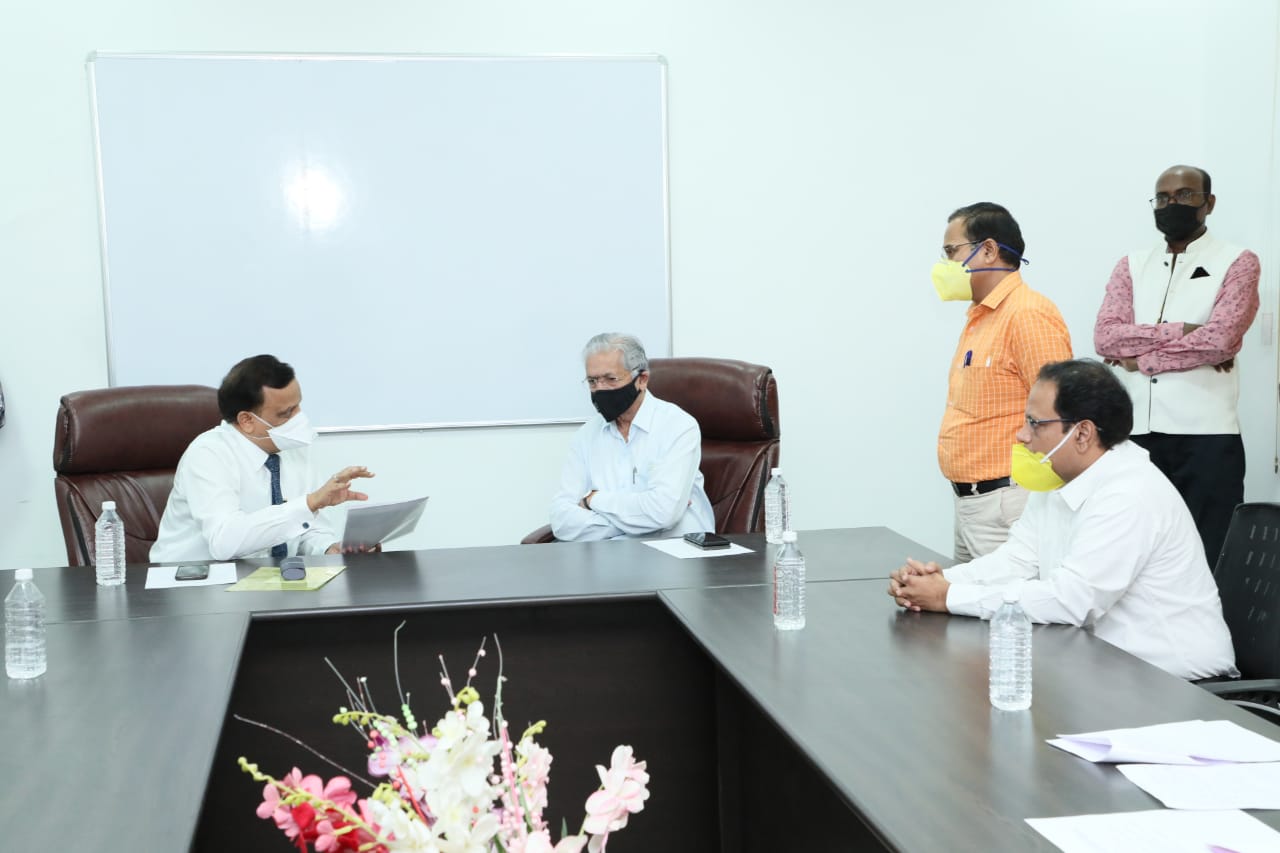
Paul Hebert Centre  (10).jpg Paul Hebert Centre  (11).jpg Paul Hebert Centre  (1).jpg Paul Hebert Centre  (16).jpg Paul Hebert Centre  (12).jpg Paul Hebert Centre  (15).jpg Paul Hebert Centre  (14).jpg Paul Hebert Centre  (13).jpg Paul Hebert Centre  (17).jpg Paul Hebert Centre  (2).jpg Paul Hebert Centre  (3).jpg Paul Hebert Centre  (4).jpg Paul Hebert Centre  (5).jpg Paul Hebert Centre  (6).jpg Paul Hebert Centre  (7).jpg Paul Hebert Centre  (8).jpg Paul Hebert Centre  (9).jpg