Deen Dayal Upadhyay Kaushal Kendra

Dr. Babasaheb Ambedkar Marathwada University | Official Website

Deen Dayal Upadhyay Kaushal Kendra

About Department

The Deen Dayal Upadhyay KAUSHAL Kendra (DDUKK) has been set up with the objective of holistic development of the students and imparting key relevant skills that enable them to be employable in both public and private sectors.

The present stature of the global economy asks for trained manpower at the work sectors. The requirements of the employers range from personnel with excellent soft/communication skills, trained artisans in specific trades to mainstream technical persons as well as innovators. In the realm of existing cut-throat competition, it is a common experience by large strata of educational sectors in India as well as abroad that the prevailing framework of imparting knowledge is insufficient to equip a student with the skills required by existing as well as emerging employment sectors.

Dr. Babasaheb Ambedkar Marathwada University, Chhatrapati Sambhajinagar stands among pioneering institutes that could conceive and implement the concept of skill-based education and training at the graduation level in the academic fabric of the country back in 2013. In order to minimize the gap between occupational demands of industries and methodical classroom teaching effectively, right from the curricula of this new program to its implementation, experts from industry and stalwart academicians from the University periphery joined hands together and brought a new dawn of technical education. The efforts and conceptualization were immediately recognized when the University Grants Commission (UGC), New Delhi sanctioned an amount of Rs. 1.67 crores to start a Bachelor in Vocation (B.Voc) in Industrial Automation and Automobile trade in 2014. In the very next year, the University imprinted its name in the annals of the history of Indian academics when it was permitted to start the Deen Dayal Upadhyay KAUSHAL Kendra and Community College in the University campus by UGC, while a grant of Rs. 4.00 crore was sanctioned by the apex body. Apart from the B.Voc program, a Master's program is also being conducted in this institution under this scheme being operated from 2016-17.

Looking at the long-pending demand of the students of this region, the M.Sc (Electronics) program is going to commence from the academic year 2016-17. This Program is intended to introduce students of electronics background with some of the most fascinating facets of the subject. Taking a bend from conventional ideas, a highly time-deserving academic program has been designed to fulfill the demands of job sectors.

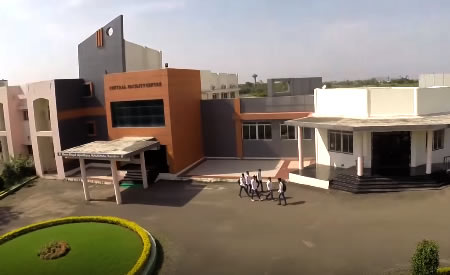
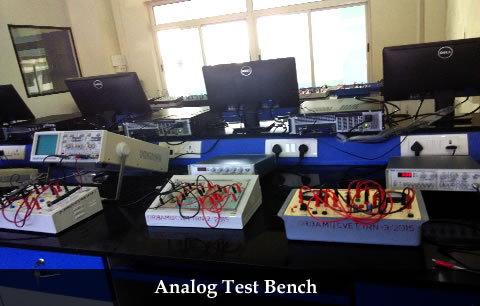
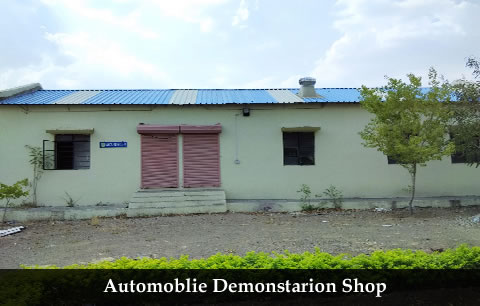
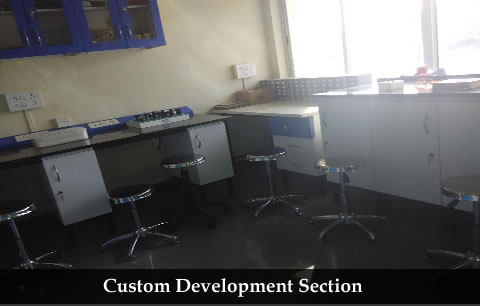
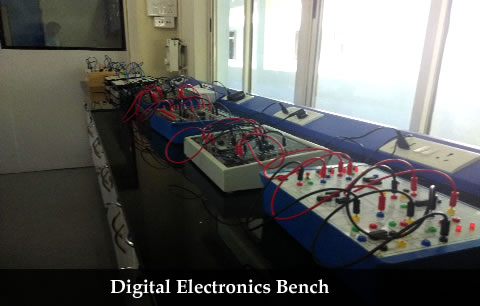
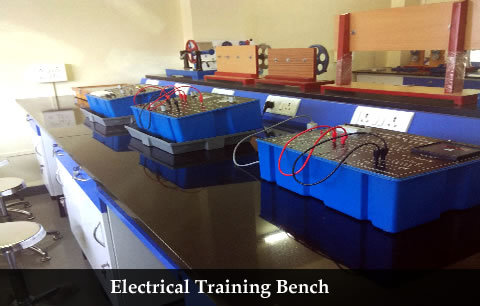
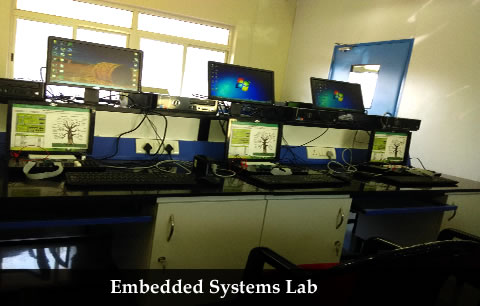
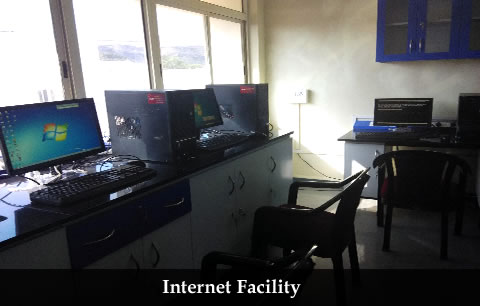
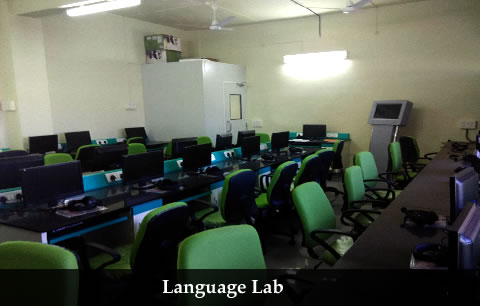
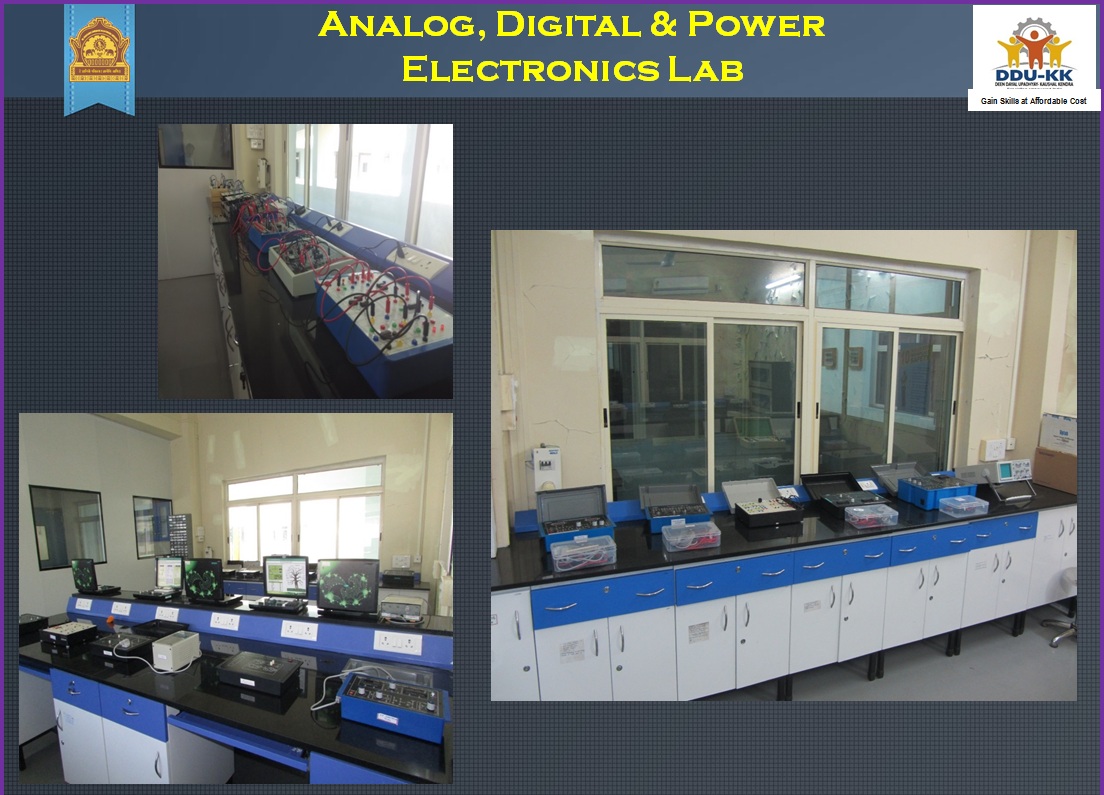
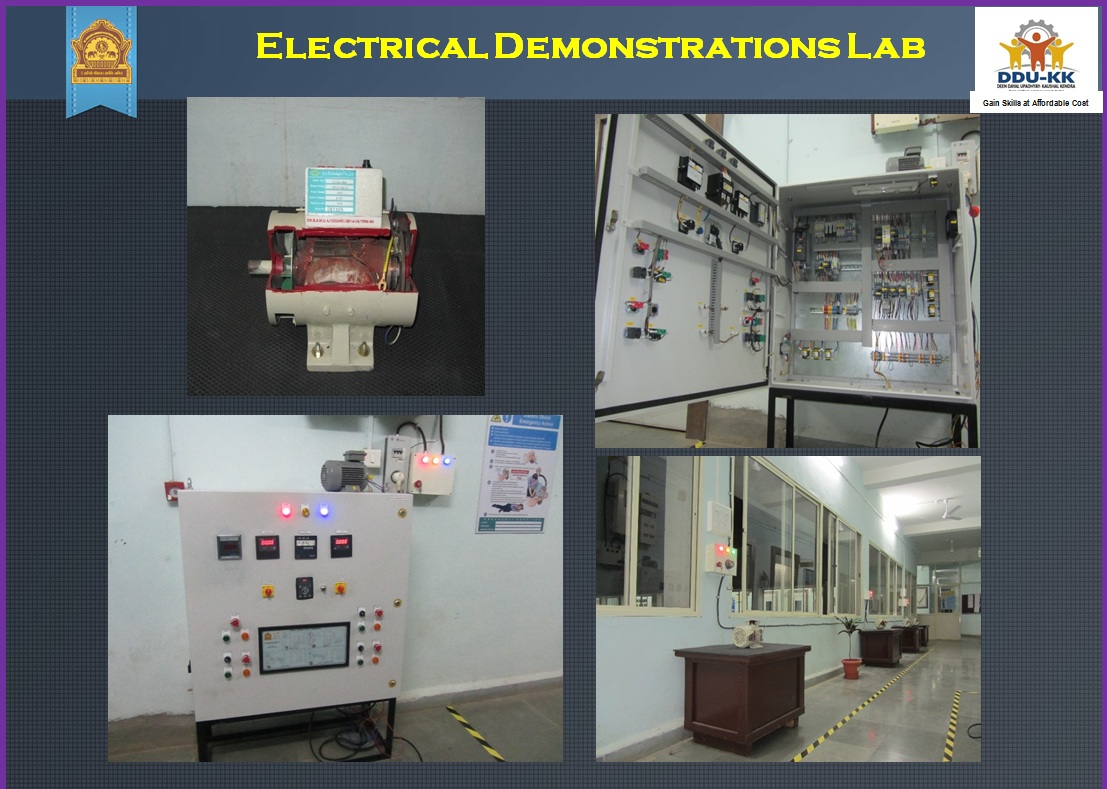
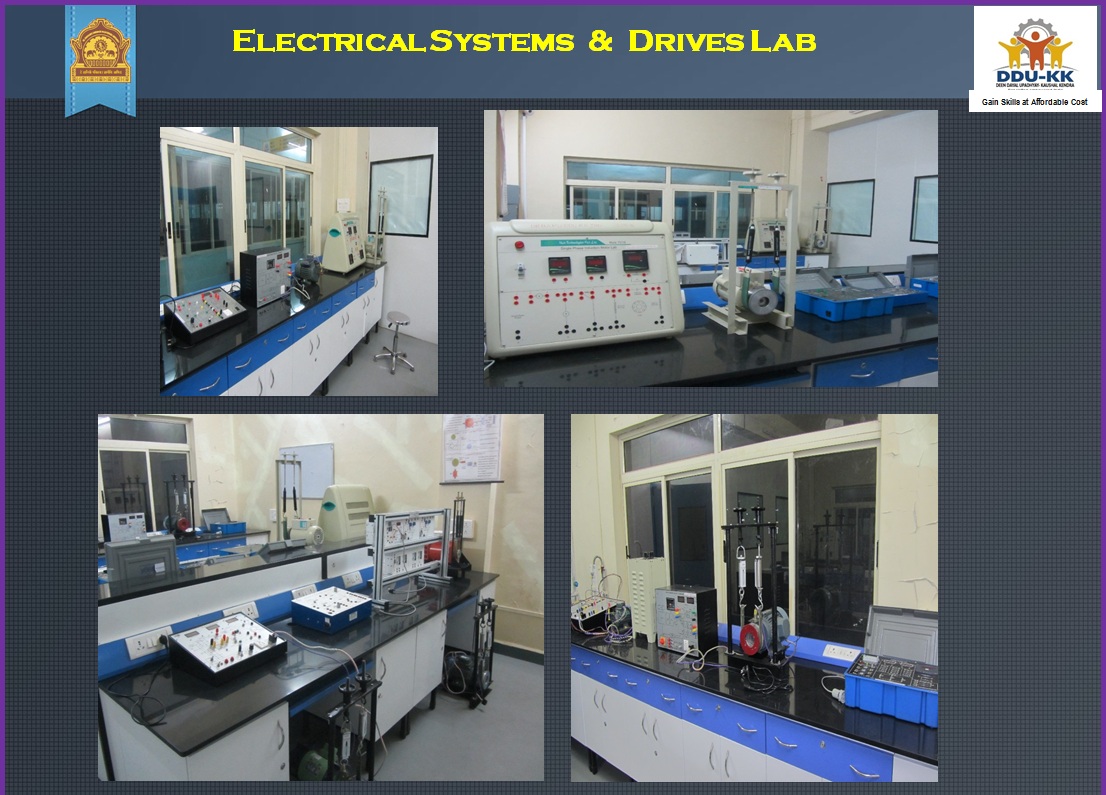
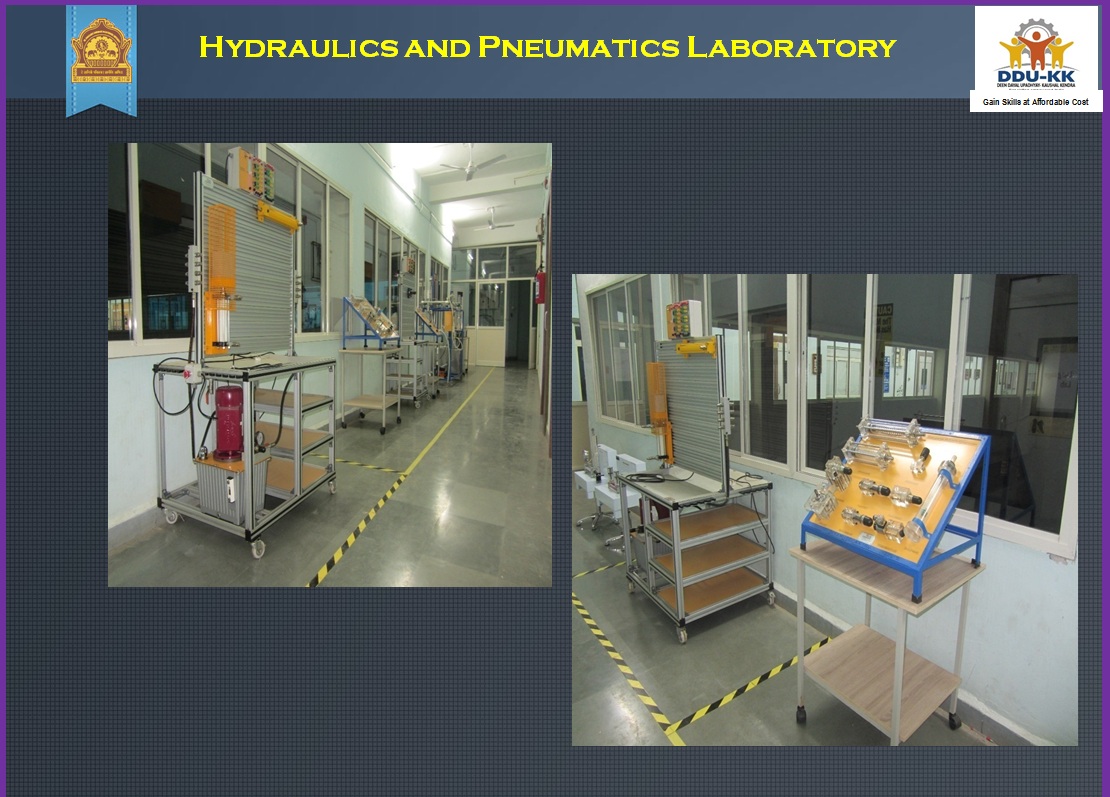
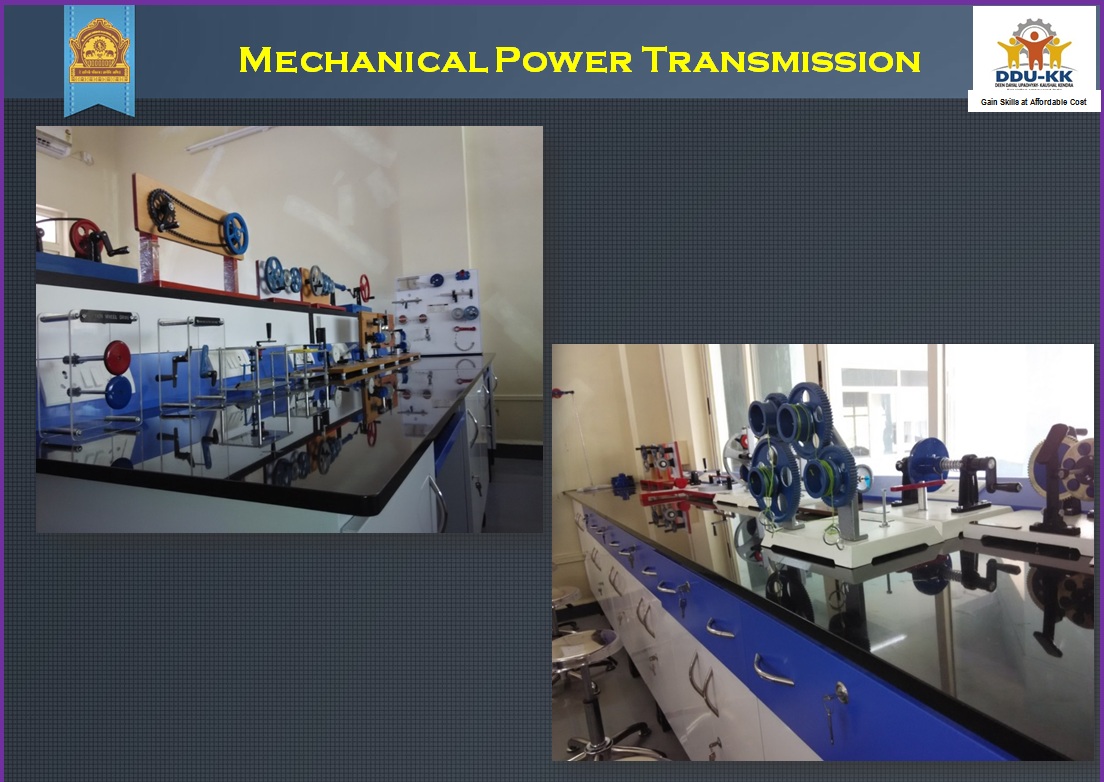
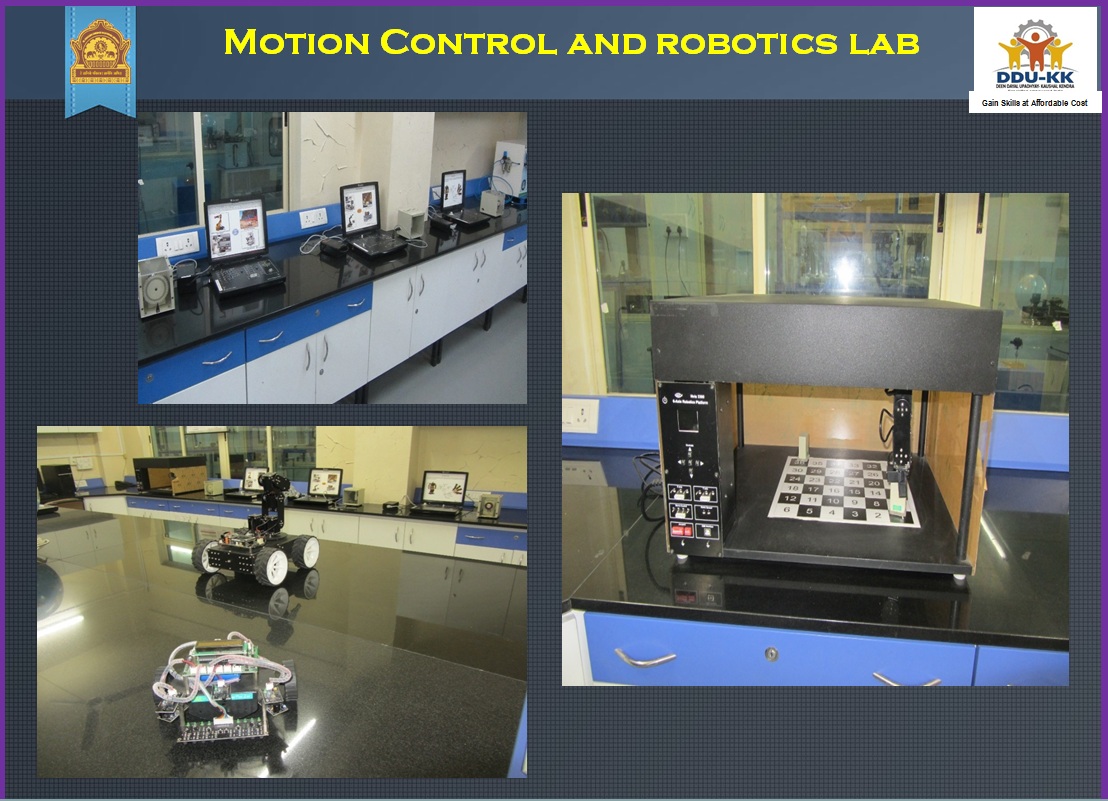
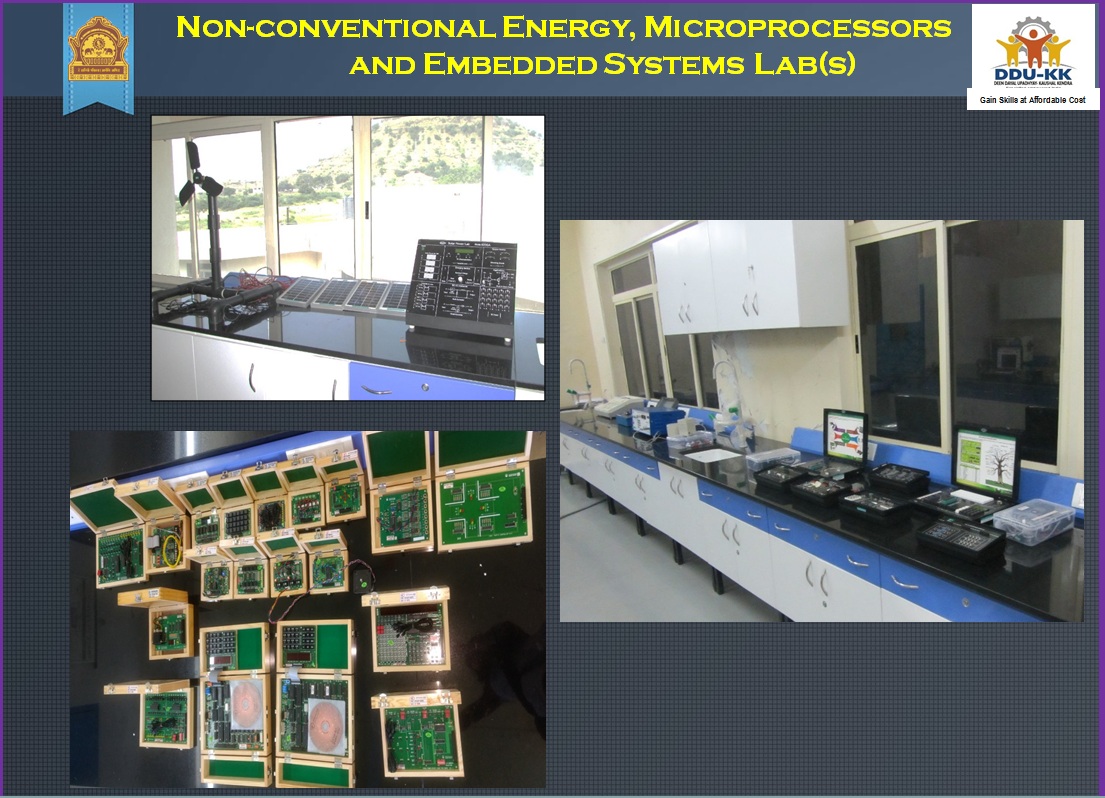
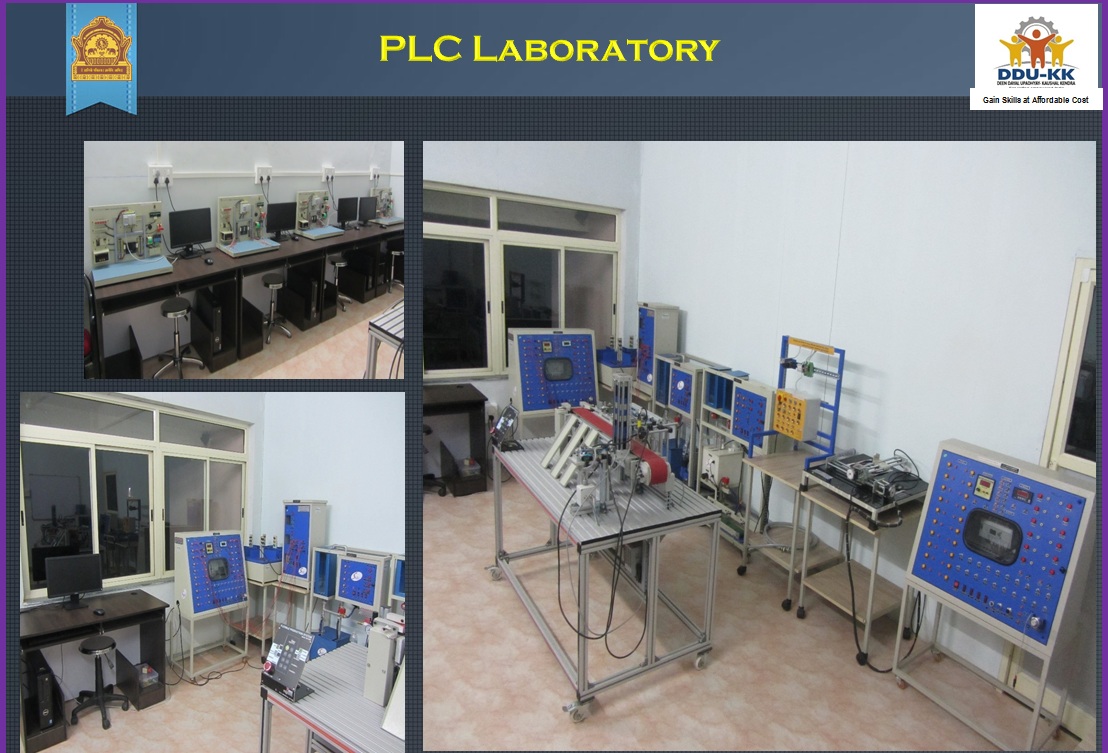
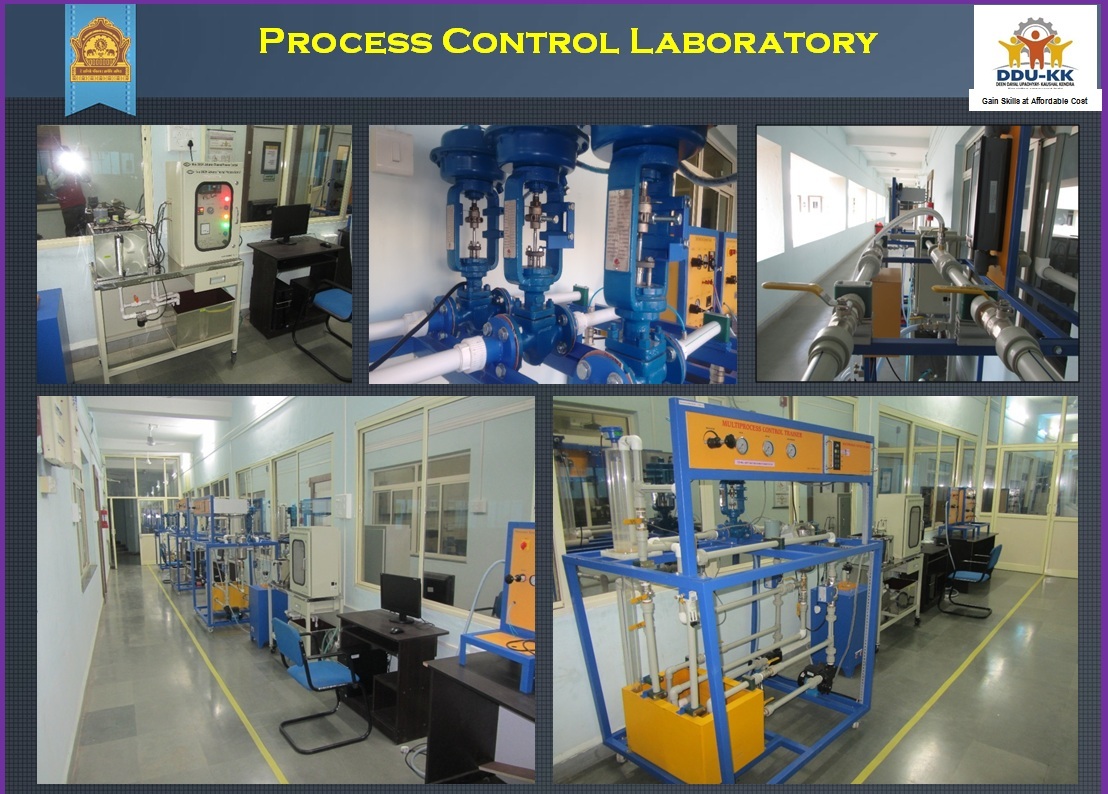
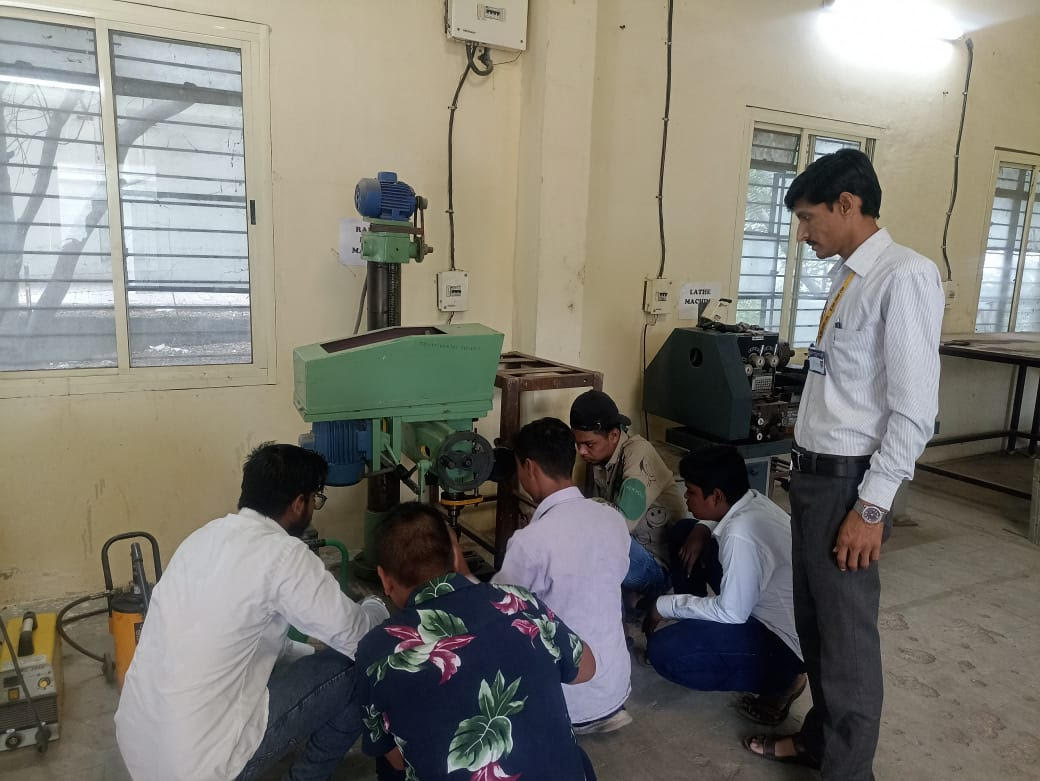
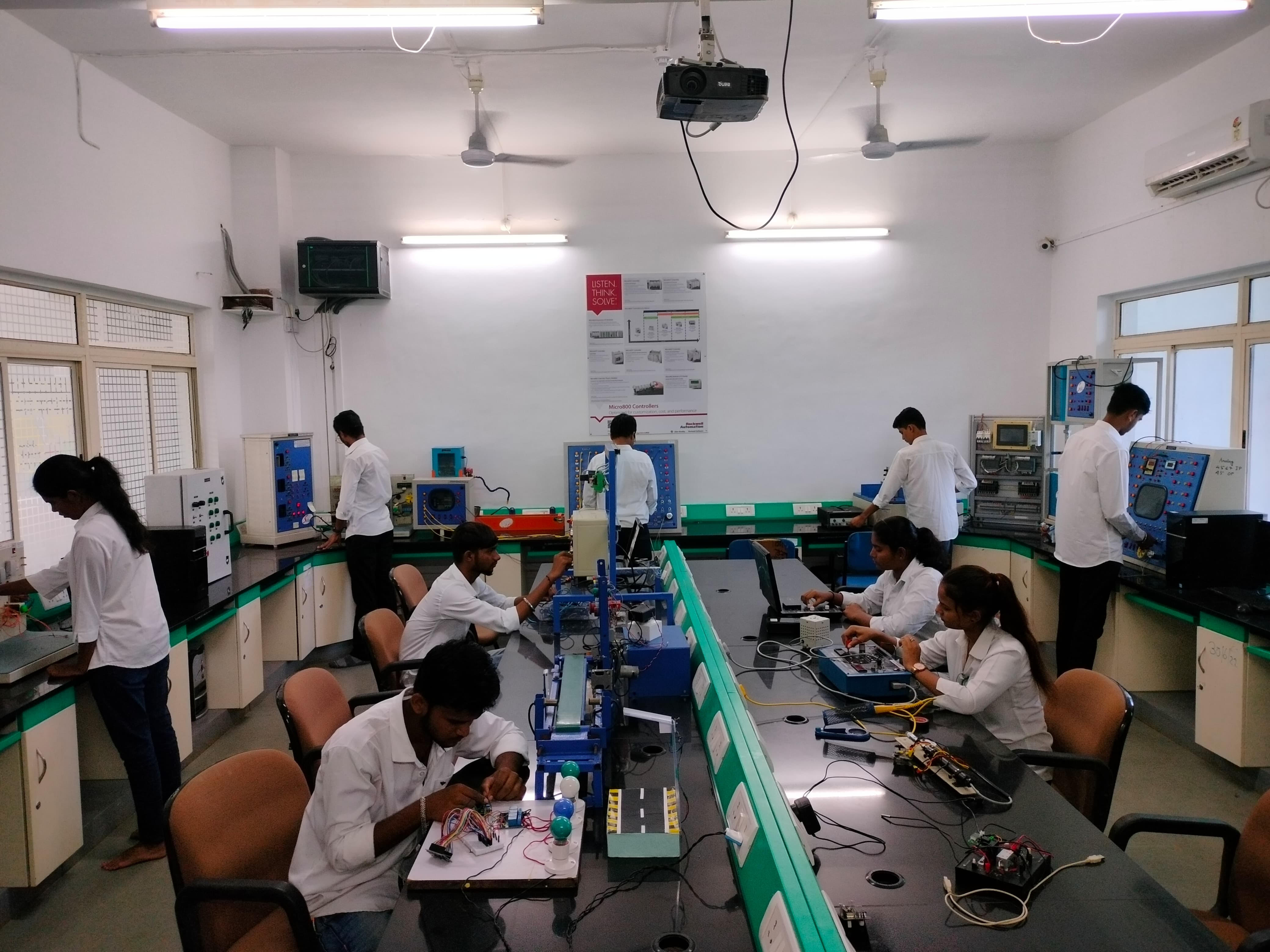
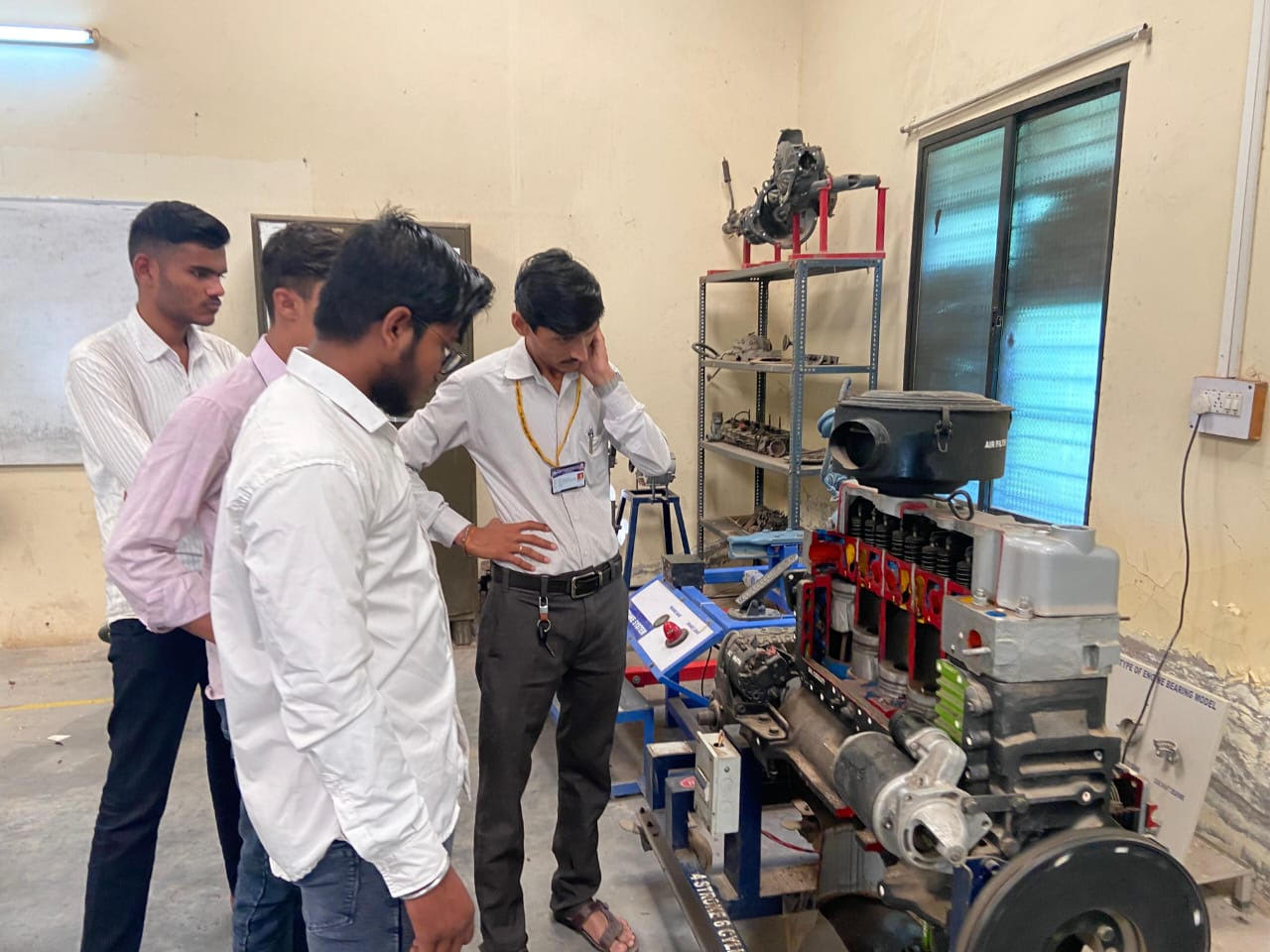
Not only a unique state-of-the-art infrastructure has been set up at DDUKK, but the curricula and method of imparting education have also been reframed thoroughly to make the knowledge dissemination more student adaptable and friendly.

The DDUKK aims to strengthen the economic backbone of the region by preparing a steady source of self-reliant Human Resources with the belief in Education ‘by which one can stand on his/her own feet’ through the motto that ‘a drop of practice is better than an ocean of theories’. The DDUKK wishes to stand as an open forum for the student and teacher fraternity as well as industry personnel and enthusiasts to take this revolution forward.

Department insights

Director Desk

DDUKK Director

To think beyond the common – constitutes the fabric of the Deen Dayal Upadhyay KAUSHAL Kendra (DDUKK). The Centre is set up with the aim to nurture young minds right from the beginning of a concrete fundamental to a successful career. Today’s economic demand is characterized by skilled manpower, modern technology, and effective implementation of imparted academic training.

It gives me immense pleasure to introduce the students to this Centre, which will make them wholly prepared to accept several challenging fields as their career; rather, it is our dream to make it happen. Our efforts will be to keep pace with the technological demands of industry and the expanding universe of knowledge. It is our prime duty to serve society by achieving excellence in teaching, learning, and training. We are committed to providing the best opportunities in education and overall development of our students in their pursuit of knowledge. We will untiringly work to provide a conducive atmosphere for talent identification and skill development to enable the target student population to attain hitherto untouched heights in scholastic excellence. Our main motto is to produce high-quality manpower capable of catering to the needs of the globalized economy. Wholehearted co-operation from all students is expected to make our dreams come true.

Best wishes to all students, who will ever remain the prime impetus for us, with the note that they are welcome to enjoy the thrill of learning in our campus, lying right in the lap of natural bounty with a divine ambiance. Let us join our hands and stride towards a wonderful tomorrow.

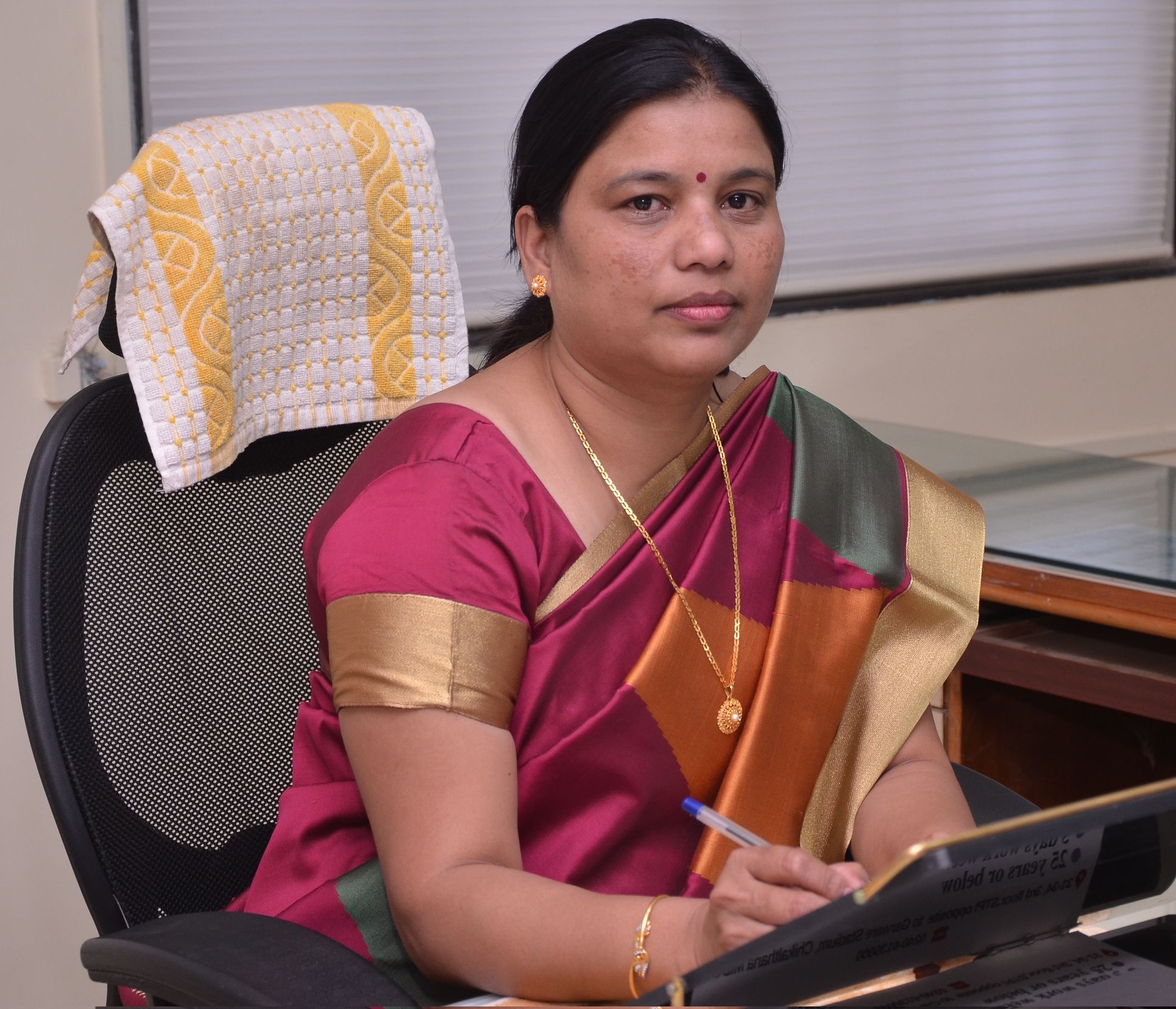
Professor Bharati W. Gawali

Director

Phone No. :(office)0240-2403266 (Ext.30),0240-2100891

e-mail :ddukk@bamu.ac.in/ directorcvet@gmail.com

View Biodata
Dr. Bharati Gawali

MOUs and Collaborations

Academic and Industrial MOUs and Collaborations
Academic and Technical MOU(s)
1. LUANS ELECTRONICS, Chhatrapati Sambhajinagar
2. KRISH AUTOMATION, Chhatrapati Sambhajinagar
3. NAC GROUP OF INDUSTRIES, Chhatrapati Sambhajinagar
4. NARSAPUR AUTO PVT. LTD., Chhatrapati Sambhajinagar
5. INSTITUTE OF DESIGN OF ELECTRICAL MEASURING INSTRUMENTS (IDEMI), MUMBAI
6. NIYO ENGINEERS, PUNE
7. SCIENTEC TECHNOLOGIES PVT. LTD, INDORE
8. ENDRESS + HAUSER, Chhatrapati Sambhajinagar M-171/176, WALUJ INDUSTRIAL AREA, MIDC Chhatrapati Sambhajinagar
9. PRESCIENT AUTOMATION. PUNE -410501
10. AUTOMOTIVE MANUFACTURERS PVT. LTD. , Chhatrapati Sambhajinagar
11. ELLANTRA AUTOMATION PVT. LTD., Chhatrapati Sambhajinagar
12. ELECTROMATES ROBOTICS AND AUTOMATION PVT. LTD., Chhatrapati Sambhajinagar
13. PRESCIENT AUTOMATION, PUNE
14. SUNRISE AUTOMATION, Chhatrapati Sambhajinagar
15. DISHA INTERNATIONAL FOUNDATION TRUST, Chhatrapati Sambhajinagar
16. 3A AUTOMATION, Chhatrapati Sambhajinagar
17. SANGRAM AUTO.PVT.LTD.Chhatrapati Sambhajinagar
18. ADITYA ECO TECH, GREEN SOLUTION,Chhatrapati Sambhajinagar
Industry Partners
Sr. No Name of the Industry Partners
1 Endress + Hauser, Chhatrapati Sambhajinagar M-171/176, Waluj Industrial Area, MIDC, Chhatrapati Sambhajinagar
2 NAC Group Of Industries, Chhatrapati Sambhajinagar
3 Bajaj Auto Ltd, Chhatrapati Sambhajinagar
4 Krish Automation, Chhatrapati Sambhajinagar
5 Skoda Auto India Pvt Ltd
6 Luans Electronics, Chhatrapati Sambhajinagar
7 Siemens Ltd, Chhatrapati Sambhajinagar
8 Endurance Technologies Pvt Ltd, Chhatrapati Sambhajinagar
9 Scientech Technologies Pvt. Ltd, Indore
10 Electromates Robotics And Automation Pvt. Ltd., Chhatrapati Sambhajinagar
11 Marathwada Auto Cluster, Chhatrapati Sambhajinagar
12 NHK Automotive Component India, Chhatrapati Sambhajinagar
13 Indo German Tool Room (IGTR), Chhatrapati Sambhajinagar
14 NRB Bearings Ltd, Chhatrapati Sambhajinagar
15 Grind Master Machines Private Limited, Chhatrapati Sambhajinagar
16 VIRA Robotics, Chhatrapati Sambhajinagar
17 Savera Auto Component Pvt Ltd, Chhatrapati Sambhajinagar
18 Rucha Engineers Pvt Ltd, Chhatrapati Sambhajinagar
19 Narsapur Auto Pvt. Ltd., Chhatrapati Sambhajinagar
20 Institute Of Design Of Electrical Measuring Instruments (IDEMI), Mumbai
21 Niyo Engineers, Pune
22 Prescient Automation, Pune -410501
23 Automotive Manufacturers Pvt. Ltd. , Chhatrapati Sambhajinagar
24 Ellantra Automation Pvt. Ltd., Chhatrapati Sambhajinagar
25 Sunrise Automation, Chhatrapati Sambhajinagar
26 Bafana Motors, Chhatrapati Sambhajinagar
27 Disha International Foundation Trust, Chhatrapati Sambhajinagar
28 3A Automation, Chhatrapati Sambhajinagar
29 Greaves Cotton Ltd, Chhatrapati Sambhajinagar
30 Sangram Auto. Pvt. Ltd., Chhatrapati Sambhajinagar
31 Aditya Eco Tech, Green Solution, Chhatrapati Sambhajinagar
32 3D Technology, Chandigarh
33 AARGEE Automation, Chandigarh
34 Onix Technologies, Chhatrapati Sambhajinagar
35 Shree Sai Cottex Pvt. Ltd., Chhatrapati Sambhajinagar
36 Omkar Industries, Chhatrapati Sambhajinagar
37 Bhagwandas Tyre Remoulding, Chhatrapati Sambhajinagar
38 Raj Auto, Chhatrapati Sambhajinagar
39 TVS Auto, Chhatrapati Sambhajinagar
40 Maruti Automobiles, Chhatrapati Sambhajinagar

Entrepreneurship and Skill Development Centre(ESDC)

Entrepreneurship and Skill Development Centre (ESDC)

Dr. Babasaheb Ambedkar Marathwada University, Chhatrapati Sambhajinagar has taken several concrete steps to fortify the skill development sector through a plethora of in-campus and off-campus activities through last decade.

The Entrepreneurship and Skill Development Centre (ESDC), stands among the potent outcomes of dedicated efforts in this direction. The ESDC became operationally and academically operative since 2021-22 with core objective to enhance employable skill and entrepreneurial acumen among youth of the region.

In the first phase of operation, three short term certificate courses were started by the Center, namely –

  1. Certificate course in Managerial skill Development and Entrepreneurship,
  2. Certificate course in Technology for Industrial Process
  3. Certificate course in Mechatronics and Industry 4.0.

In subsequent phase, the Centre has offered –

  1. Certificate Course in Robotics Process Automation
  2. Certificate Course in Industrial Electrician
  3. Certificate Course in Industrial Automation
  4. Diploma in Medical Laboratory Technician
  5. Diploma in Industrial Health

These short term courses, being extremely skill oriented in nature and catering to a diverse range of students, have gained critical acceptance from student fraternity. Within short, period of time, the ESDC has established a significant mark in academic fabric of the region through strategic partnership with academic bodies who have remarkable experience in their respective domain to train the students with applied skills.

Information Brochure of Entrepreneurship and Skill Development Centre (ESDC) (View Brochure)
Courses/Programs
Admission Process
Faculty / Staff
Feedback Report
Photo Gallery

Programs Offered

DDUKK Information Brochure Revised Oct 2024   View Brochure

The choice based credit system has been adopted by this Centre. This provides flexibility to make the system more responsive to the changing needs of our students, the professionals and society. It gives greater freedom to students to determine their own pace of study. The credit based system also facilitates the transfer of credits.

  • B.Voc. (Industrial Automation)
  • B.Voc. (Automobile)
  • B.Voc. (Industrial Automation) Industry Embedded
  • B.Voc. (Automobile) Industry Embedded
  • M.Voc. (Industrial Automation)
  • M.Voc. (Automobile Technology)
Credit - to - Contact Hour Mapping
  • One Credit would mean equivalent of 15 periods of 60 minutes each for theory lecture.
  • For lab course/ workshops/internship/field work/project, the credit weightage for equivalent hours shall be 50% that for lectures /workshop
  • For self- learning, based on e-content or otherwise, the credit weightage for equivalent hours of study should be 50% or less of that for lectures/workshops.

Academic Programme

Name of the Course Duration Trades Available Intake Capacity Eligibility
Bachelor of Vocation (B.Voc) 3 years I. Industrial Automation 50 XII Science OR equivalent / MCVC / ITI (Two Years) with relevant or equivalent trade from any recognized Board/Institution are eligible for registration/admission.
II. Automobile 50
Lateral Entry to Second Year (Sem III) of B.Voc. 2 years I. Industrial Automation Against Vacant Seats Diploma (10+3 / 12+2 pattern) in Industrial Automation / Electronics / Electronics and Telecommunication / Industrial Electronics / Instrumentation.
II. Automobile Against Vacant Seats Diploma (10+3 / 12+2 pattern) in Automobile / Mechanical / Production.
Master in Vocation (M.Voc) 2 years I. Industrial Automation 20 B.Voc (Industrial Automation) / B.Sc. (Physics and Electronics) / B.E. / B.Tech (Electronics, E&TC, Instrumentation, Electrical, Mechanical, Mechatronics, Industrial Automation).

Note: Students with B.Sc. in Physics and Electronics must complete 4 credits (2 theory courses): (i) Fundamentals of Hydraulics and Pneumatics, (ii) Process Control and Instrumentation in the first year.
II. Automobile 20 B.Voc (Automobile) / B.Sc. (Automobile) / B.E. / B.Tech (Automobile, Mechanical, Production).

Note: Students with B.E./B.Tech in Mechanical or Production must complete 4 credits (2 theory courses): (i) Automotive Electricals and Electronics, (ii) Automobile Troubleshooting in the first year.
Note:
  • The program offers multiple exits under successful employment opportunity. Scopes will be there for further continuation/completion of the course
  • Reservations for admission will be applicable as per Government rules and University regulations

Programme Design

The Bachelor and Master programme are divided in six and four semesters respectively. The teaching structure for each semester in Bachelor program is evenly balanced with components of general academic interest, skill development components and hands on training. Apart from the trades that are being offered viz. Industrial Automation/ Automobile Technology, these programme offer sufficient scope of holistic development of students and make them employment competent by offering general academic components like Statistics , Environment Management, Computer Fundamentals,Human Resource Management, Industrial Safety Management, Product Costing, Accountancy and taxation, Entrepreneurship development, Labour Laws, Professional Ethics etc. While in master program, major thrust will be on specialized key sectors in skill component

According to a recent study conducted by the Associated Chambers of Commerce and Industry of India (ASSOCHAM), there will be a deficit of 40 million working professionals by the year 2020 and the employers would face the difficulty of filling positions because of the dearth of suitable talent and skilled personal in the industries. The academic programme at DDUKK are aimed to find some solution to aforesaid problem by thoroughly considering following thrust areas -

  • Quality of Skill based training
  • Improvements in drop out rates
  • Increase in linkages with Universities and Industries.
  • Inadequacy of proper resources

These programme are intended to offer practical Training and Skills required to pursue an occupation straightway. The trades are directly aligned to land in a job with requisite skill in specific trade.

Salient Features of the Courses

Evenly balanced general and skill based coursework to :
  • Impart sound theoreritical background in specialized sectors (Industrial Automation, Automobile)
  • Develop sense of technology through lecture-demonstrations and hands-on practice
  • Bridge gap between lab and industry atmosphere
  • Develop entrepreneurship skills
Features
  • Compulsory industrial / field / professional and extensive laboratory training for one year during each program
  • Highly expertise faculty/ resource persons from respective fields.
  • Skill oriented training from Industry personnel.
  • Hostel Facility to meritorious students.
  • Under successful employment opportunity, a student may opt for an Intermediate exit from the course. Scopes will be there for further continuation of study.
For Bachelor Program, the exit options are as follows :
Exit Point Duration Diploma/Degree to be Offered
First After 6 Months Certificate in Vocation
Second After 1 Year Diploma in Vocation
Third After 2 Year Advance Diploma in Vocation
Fourth After 3 Year Bachelor of Vocation

Note : After taking exit, student can re-enter into the system at any time. However, he/she has to complete B. Voc. within 6 years and M.Voc. within 4 years from his / her first enrolment in the system.

Bachelor of Vocation (B.Voc) Industry Embedded Programs

Bachelor of Vocation (B.Voc) Industry Embedded Programs in Collaboration with Metiskill Global Solutions Pvt. Ltd
About Metiskill

Metiskill Global Solutions Pvt. Ltd., an upskilling company formed with the intension of creating an ecosystem for industry academia connect. Metiskill is a consulting partner (industry training facilitators) of Dr. Babasaheb Ambedkar Marathwada University to conduct of the B.Voc programs in Maharashtra and other states of India in collaboration with industry. Metiskill believes the future of education towards vocational education from the conventional education system prevalent in India. This shift is evident in the government’s recently announced new education policy NEP 2020, which will fundamentally alter the educational system.

Who Can Benefit?

Our programs are designed to benefit students from the lower strata of society who are deprived of higher education due to their financial constraints. Students who had to drop out after completing their 12th or equivalent educational qualification can enroll in the program.

Why Vocational Education?

Vocational education provides practical skills and hands-on training that can lead to immediate employment opportunities. This shift towards vocational education is expected to bridge the gap between education and employability in India. By offering specialized training in fields such as Automobile Technology and Industrial Automation, we aim to address the growing demand for skilled workers in these industries.

Program Details

A student will join the B.Voc degree program for three years. The B.Voc. degree will be offered in two specializations:
• Bachelor of Vocation in Industrial Automation (Industry Embedded)
• Bachelor of Vocation in Automobile (Industry Embedded)

Program Highlights
  • The eligibility qualification for joining the program is a 12th pass/ ITI (2-year) pass or its equivalent. A 10th + 3-year diploma pass student can enroll directly in the 2nd year.
  • Students stay financially independent as this is a self-financing program where the industry pays a stipend to the student which includes the education fee.
  • Program aligned with UGC guidelines for providing a minimum of 60% and up to 70% of practical training.
  • Students will undergo on-the-job training with an industry partner as a student or an Apprentice as applicable.
  • Batches start twice a year – in January and July.
  • The student can discontinue after successfully completing any level and join the next level as required. The program has three independent levels:

Year 1: Diploma (NSQF Level 5)
Year 2: Advanced Diploma (NSQF Level 6)
Year 3: B. Voc Degree (NSQF Level 7)

Fee Structure

The total fee is Rs. 31,200/- per year (Excluding Admission Registration Fees).

Online Registration Link

Programme Outcome

Expected Outcome

The program outcomes are the skills and knowledge which the students have gained at each exit level / at the time of graduationn or post graduation. The outcomes are generic and are common to all exit levels and trades specified earlier -

  • Candidates can find employment several state and Central Government Organizations , non-profit groups, academic institutions and private sectors.
  • This program prepares students for specific types of occupations and frequently, for direct entry into employment market.
  • Candidates with strong academic proficiency can opt for teaching profession in polytechnic/ engineering colleges and vocational training institutes that math government job scales.
  • This program will enable students to update their knowledge and professional skills for entering workforce with innovative income generating activities and self entrepreneurship.
Outcome based Education Syllabus showing PO's, CO's and PEO Course Attainment
Admission Process for B.Voc. (First Year)
  • In response to the advertisement for registration (in newspapers and the University Website in the last week of May), interested students will have to register themselves for the Common Entrance Test (CET).
  • A duly filled Application Form (available on the University website) should be filled in the prescribed format and submitted to the DDUKK office.
  • Admission will be done based on the performance of students at the Common Entrance Test (CET). The number of students called for the written test may be finalized on a merit basis if the number of applications is high. The Entrance test will be conducted in June every year (updates will be reflected on the website as and when required).
  • Selected candidates will have to go through the MKCL registration process.
  • Original and/or Attested copies of the following documents are essential at the time of admission of B.Voc:
    • SSC (High School) Board Certificate as proof of date of birth
    • Mark sheet of SSC and HSC
    • Transfer Certificate (Original) of HSC
    • Caste Certificate and Validity Certificate (if applicable)
    • Income Certificate of parent(s)
    • Domicile Certificate
    • Non-Creamy Layer Certificate (for NT-2, NT-3, and OBC candidates)
    • Students who come under the jurisdiction of other Universities should submit a Migration Certificate in original.
Admission Process for B.Voc. (Second Year) (Through Lateral Entry)
  • In response to the advertisement for registration (in newspapers and the University Website in the last week of May), interested students will have to register themselves.
  • A duly filled Application Form (available on the University website) should be filled in the prescribed format and submitted to the DDUKK office.
  • Admission will be done based on Vacant Seats against Respective trades.
  • Selected candidates will have to go through the MKCL registration process.
  • Original and/or Attested copies of the following documents are essential at the time of admission of B.Voc:
    • SSC (High School) Board Certificate as proof of date of birth
    • Mark sheet of SSC and HSC
    • All semesters Grade/Mark sheets of qualifying examination (Diploma)
    • Transfer Certificate (Original) of Diploma
    • Caste Certificate and Validity Certificate (if applicable)
    • Income Certificate of parent(s)
    • Domicile Certificate
    • Non-Creamy Layer Certificate (for NT-2, NT-3, and OBC candidates)
    • Students who come under the jurisdiction of other Universities should submit a Migration Certificate in original.
Admission Process for M.Voc.
  • In response to the advertisement for registration (in newspapers and the University Website in the last week of May), interested students will have to register themselves for the Common Entrance Test (CET).
  • A duly filled Application Form (available on the University website) should be filled in the prescribed format and submitted to the DDUKK office.
  • Admission will be done based on the performance of students at the Common Entrance Test (CET). The number of students called for the written test may be finalized on a merit basis if the number of applications is high. The Entrance test will be conducted in June every year.
  • Selected candidates will have to go through the MKCL registration process.
  • Original and/or Attested copies of the following documents are essential at the time of admission of M.Voc:
    • Photo ID proof as per Govt. of India norms (Voter ID/Aadhar card/Driving License)
    • SSC (High School) Board Certificate as proof of date of birth
    • Mark sheet of SSC and HSC
    • All semesters Grade/Mark sheets of qualifying examination (Degree)
    • Degree/Provisional certificate (if any) if the degree is completed
    • Transfer Certificate (Original) of Degree
    • Degree Certificate
    • Caste Certificate and Validity Certificate (if applicable)
    • Income Certificate of parent(s)
    • Domicile Certificate
    • Non-Creamy Layer Certificate (for NT-2, NT-3, and OBC candidates)
    • Students who come under the jurisdiction of other Universities should submit a Migration Certificate in original.

Promotion Process

Promotion Process for B.Voc.

A candidate who has sought admission to semester –I shall be admitted to semester –II automatically, provided he submits an application to that effect. A Candidate who has passed 75% of the papers at the First Year (First and Second Semester) Examinations shall be allowed to take admission in Third Semester. Similarly, a candidate who has passed 75% of the papers at the Second Year (Third and Fourth Semesters) together shall be allowed to take admission in the Fifth Semester of the Course. However, if the candidate has not passed the First and Second Semester Examinations, he shall not be allowed to take admission in the Fifth Semester. However, appearance in the First, Third, and Fifth Semester is compulsory for promotion to the next semester. Appearance means submission of the examination form along with the necessary examination fee prescribed for the respective semester. For this purpose, theory and sectional/practical/project shall be taken as separate heads of passing. The above rule shall also be applicable to candidates whose guardians are transferred from outside the University jurisdiction. He/she must appear for the examination as per the existing course and syllabus.

Students who have appeared once at any examination can be readmitted to the same course notwithstanding the fact that new subjects may have been introduced or groups of subjects changed by the university. They will, however, have to appear at the examination according to the scheme of examination and syllabus in force, thereby remitting the prescribed fees for the course without claiming any government concessions like E.B.C., G.O.I Scholarship, etc.

Promotion Process for M.Voc.

There is Full Carry on for M.Voc i.e. irrespective of individual performance in first year, he/she will be promoted to Second Year.

Fees Structure

Fees Structure

Fees Structure for B.Voc.
*Rs 14,500/- per Year
(Fees may be changed Subject to University Rules and Regulations)

Fees Structure for M.Voc.

Rs. 19,500/- per year

CBCS and Assessment

Intake
Choice Based Credit System (CBCS)

The choice-based credit system has been adopted by this center. This provides flexibility to make the system more responsive to the changing needs of our students, the professionals, and society. It gives greater freedom to students to determine their own pace of study. The credit-based system also facilitates the transfer of credits.

Assessment

There will be weekly tests, assignments, tutorials, and presentations for each subject as part of continuous internal assessment (CIA). Apart from this, there will be the semester-end examination. The setting of the question paper and the assessment will be done by the concerned teacher who has taught the course. The average marks obtained in CIA and marks obtained in the semester-end examination will be considered for the preparation of final marks/grades.

Sr. No. Name of Faculty Designation Qualification Contact details
1. Professor B.W. Gawali Resume Director M.Sc, SET, Ph.D ddukk@bamu.ac.in, 0240-2403266(Ext.26), 0240-2100891
2. Dr. Datta Kunal Resume Assistant Professor M.Sc, Ph.D (Physics) k2me@rediffmail.com, +917841091587
3. Mr. Ushir Vishal D. Resume Assistant Professor M.Tech (Mechanical Engineering) vishalvdu@yahoo.co.in, +919096742013
4. Mr. Bandewad Gangadhar W. Resume Assistant Professor M.E.(Microelectronics Systems) B.Tech(E&TC) gbandewad@gmail.com, +919595086601
5. Dr. Amogh Sambare Resume Assistant Professor D.M.E.,
B.E(Mechanical Engineering),
M.Tech(Thermal Engineering),
Ph.D (Mechanical Engineering)
asambare.ddukk@bamu.ac.in, +919420056178
6. Mrs Asmita Dani Resume Assistant Professor(Contractual) B. E. (Electronics Telecommunication) ,
Gold Medalist in M. Tech. Embedded System
asmita.m.dani@gmail.com, +919860422192
7. Mr. Sachin Kolhe Resume Assistant Professor(Contractual) Diploma in Vocational Education and Training
B.Sc Automobile Maintanance
M.Voc Automobile Technology
shkolhe@gmail.com, +918793111199
Staff Details
Sr. No. Name of Staff Designation Qualification Contact details
1. Mr. Tupe Ramesh J. Sr. Assistant cum Data Entry Operator M.A (English/Sociology), B.Ed, B.J bamua.rameshtupe@gmail.com, +919764087475
2. Mr. Rahul Narnaware Technical Assistant B.Tech(Mechanical), ME- pursuing rahulsnarnaware@gmail.com, 7588649095
3. Mr. Hiwrale Ratnadeep S. MTS -TA B.E. (E&TC), MMS(Operation) ratnadeephiwrale1@gmail.com, +917588400479
4. Mr. Sachin S Rayalwar Senior Assistant M.Sc Chemistry DBM Master of Journalism rayalwar.sachin@gmail.com, +919511815482
Feedback Analysis (Academic year-wise)
(Academic year-2019-2023)
Student Feedback 2019-20 2020-21 2021-22 2022-23
Teacher Feedback 2019-20 2020-21 2021-22 2022-23
Parent Feedback 2019-20 2020-21 2021-22 2022-23
Employer Feedback 2019-20 2020-21 2021-22 2022-23
Alumni Feedback 2019-20 2020-21 2021-22 2022-23
Action Taken Report (Academic year-wise (Year 2019-2023)) 2019-20 2020-21 2021-22 2022-23

(Academic year-2013-2018) Student Feedback 2013-14 2014-15 2015-16 2016-17 2017-18
Teacher Feedback 2013-14 2014-15 2015-16 2016-17 2017-18
Parent Feedback 2013-14 2014-15 2015-16 2016-17 2017-18
Employer Feedback 2013-14 2014-15 2015-16 2016-17 2017-18
Action Taken Report (Academic year-wise (Year 2013-18) 2013-14 2014-15 2015-16 2016-17 2017-18